| Feature | Aluminum | Vinyl | Wood | Fiberglass |
|---|
| Energy Efficiency | Moderate with thermal break | Very Good | Very Good | Excellent |
| Arizona Heat Resistance | Excellent structurally | Very Good with quality vinyl | Good with proper protection | Excellent |
| Maintenance | Low | Very Low | High | Very Low |
| Strength | Excellent | Good | Very Good | Excellent |
| Modern Appearance | Excellent | Good | Classic/Premium | Excellent |
| Insulation | Lower unless thermally broken | Very Good | Very Good | Excellent |
| Typical Cost Level | $$–$$$ | $–$$ | $$$ | $$$ |
| Common Application | Modern & commercial | Residential | Luxury & traditional | Premium residential |
Aluminum Windows
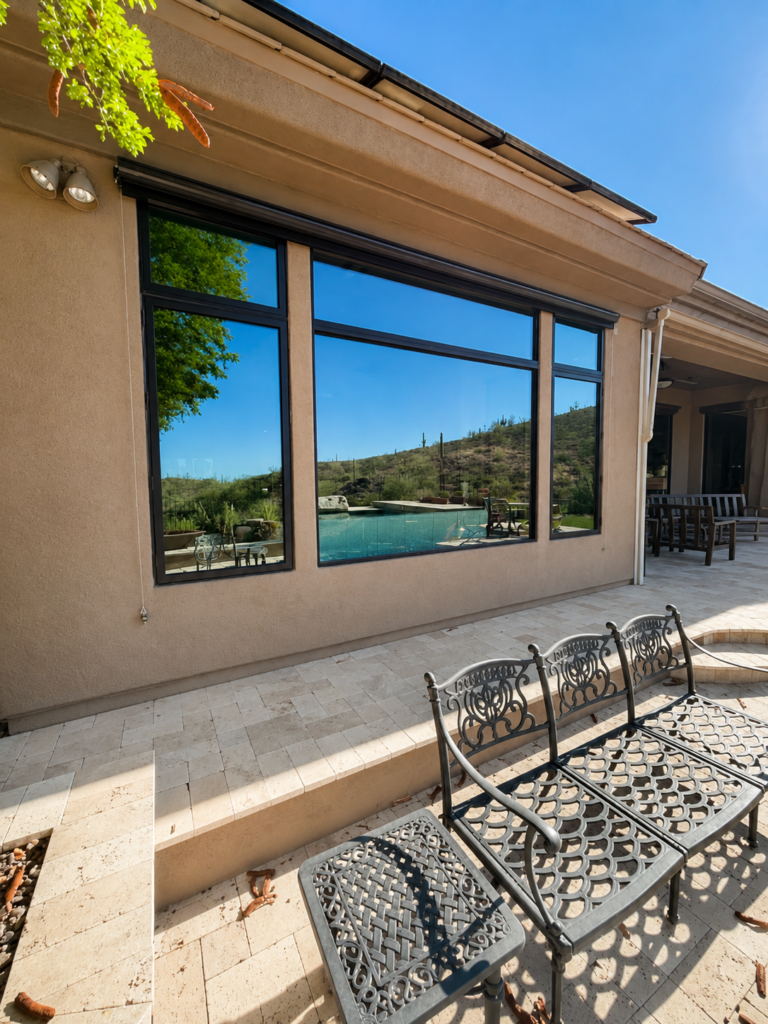
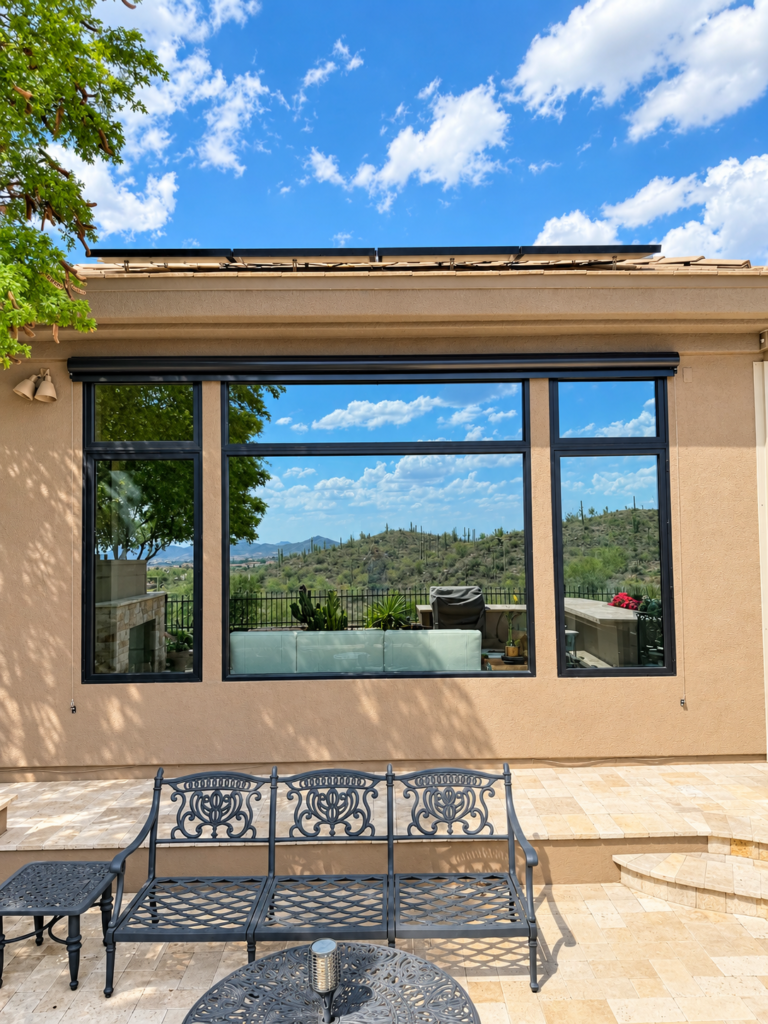
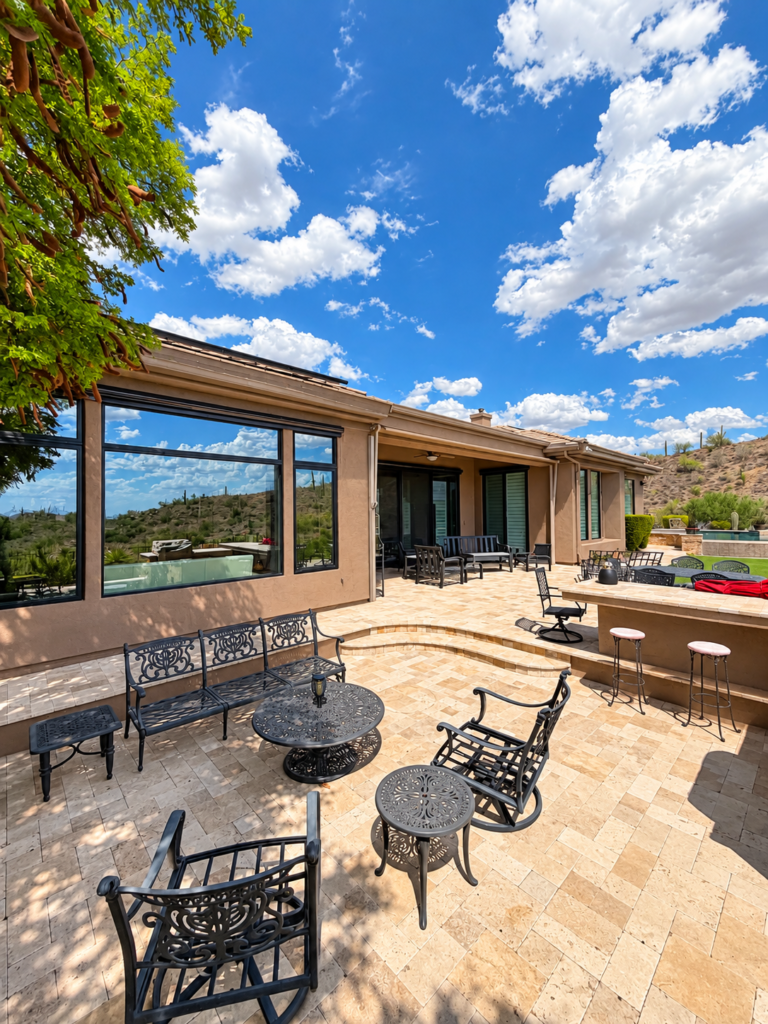
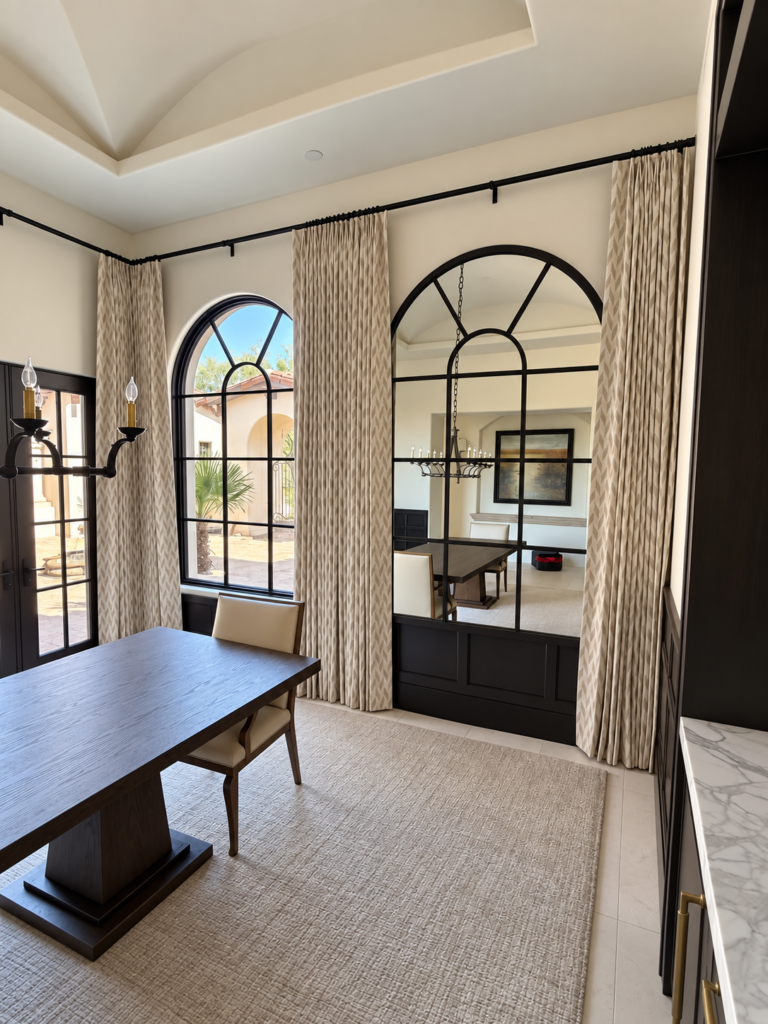
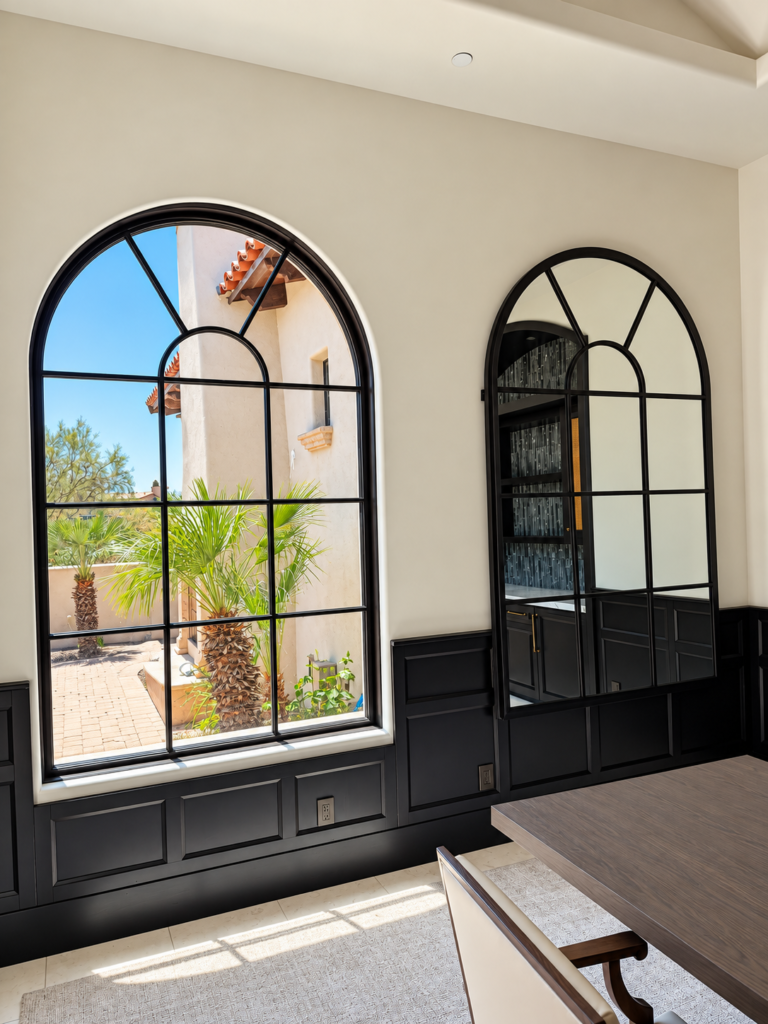
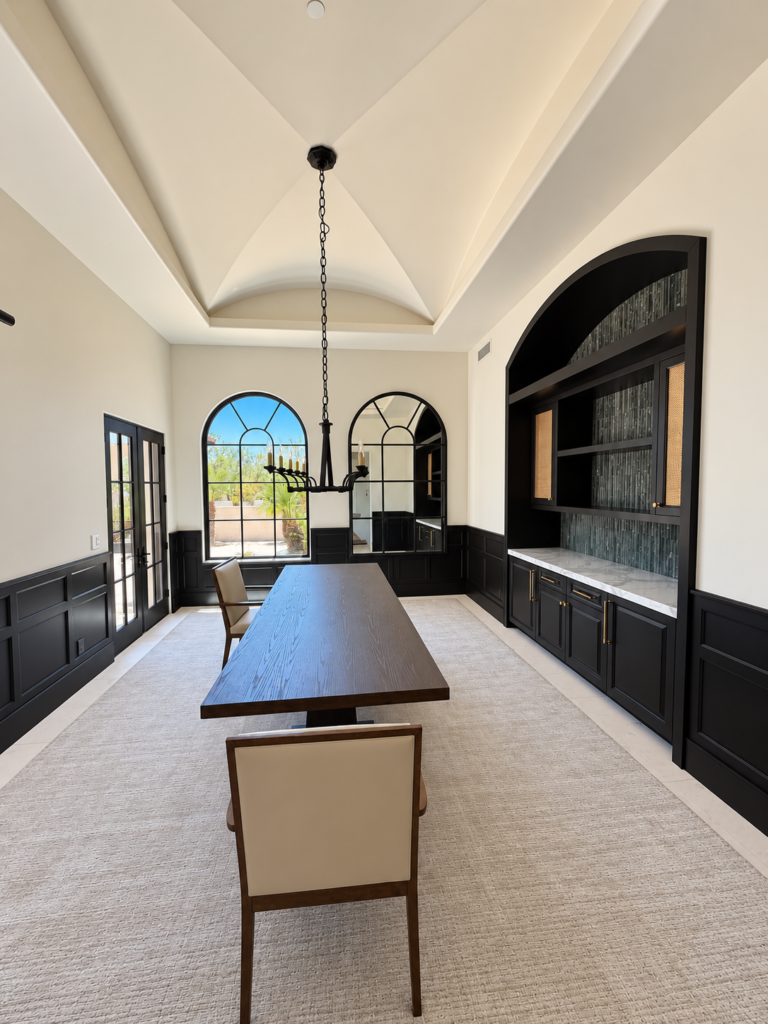
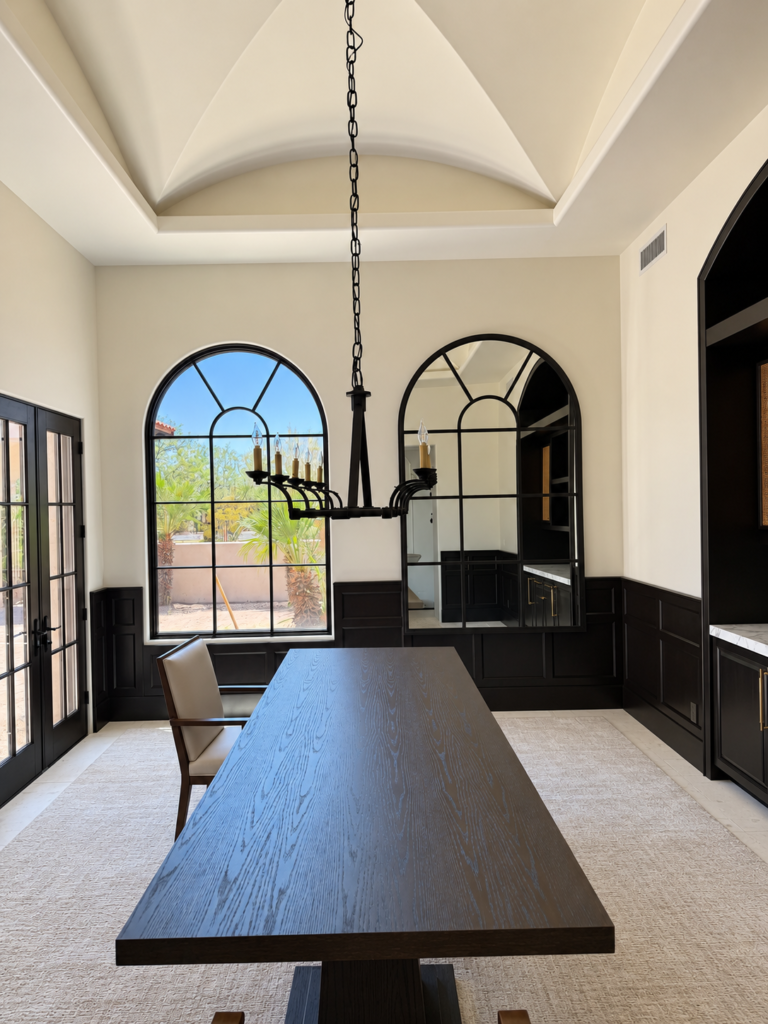
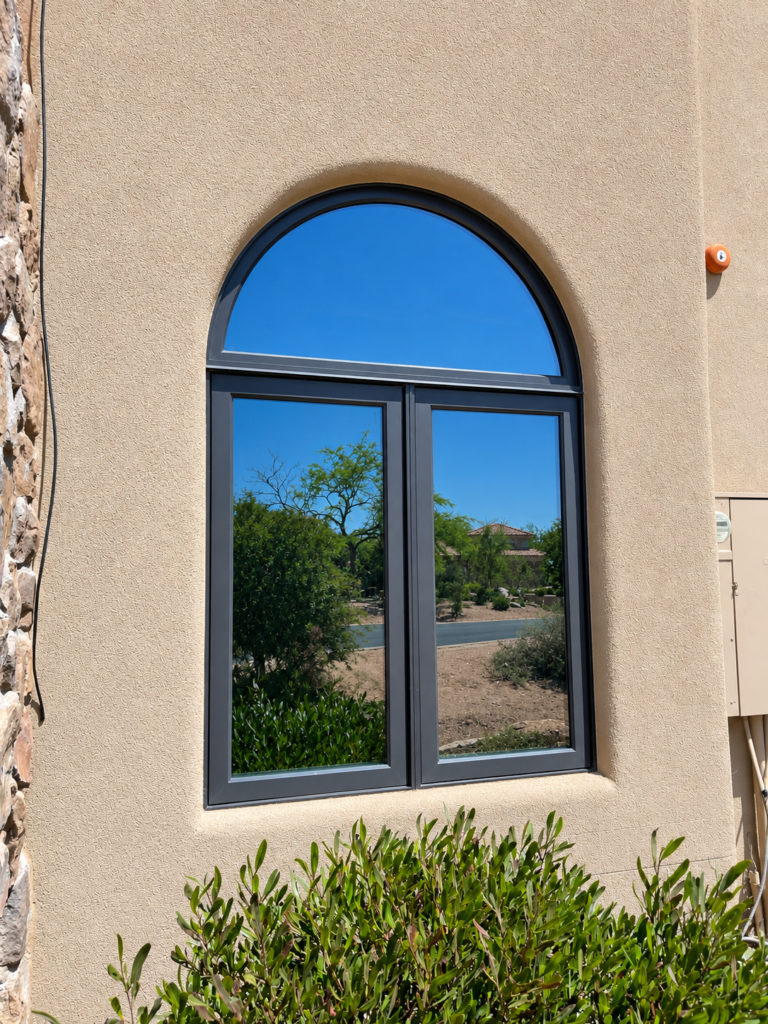
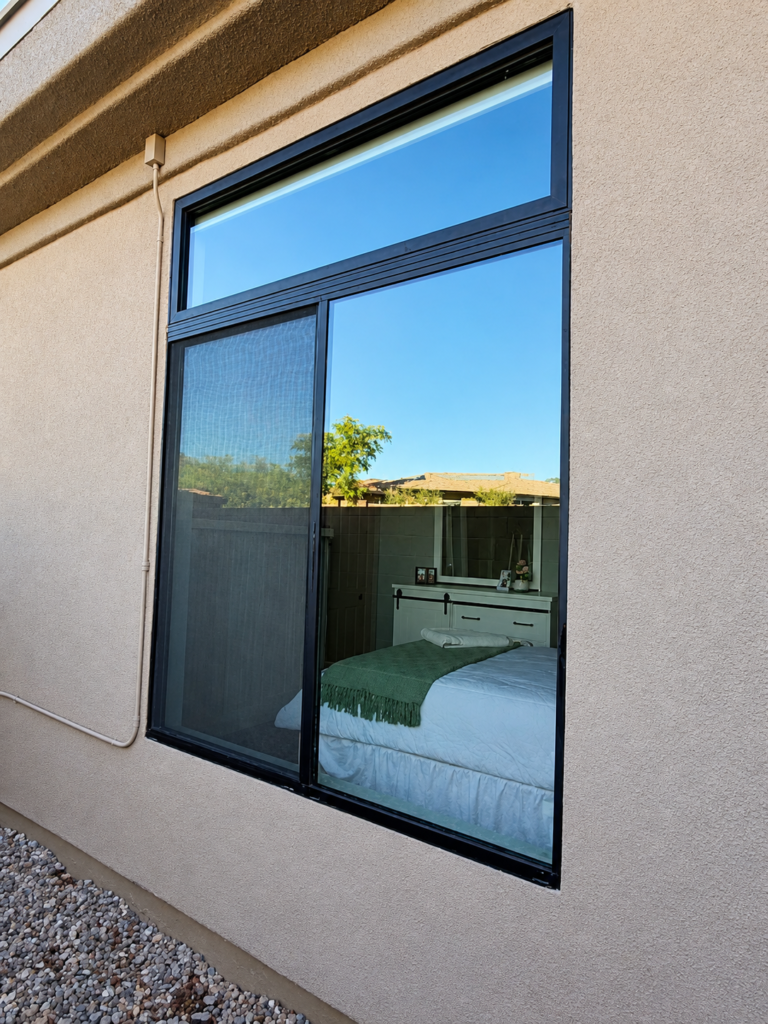
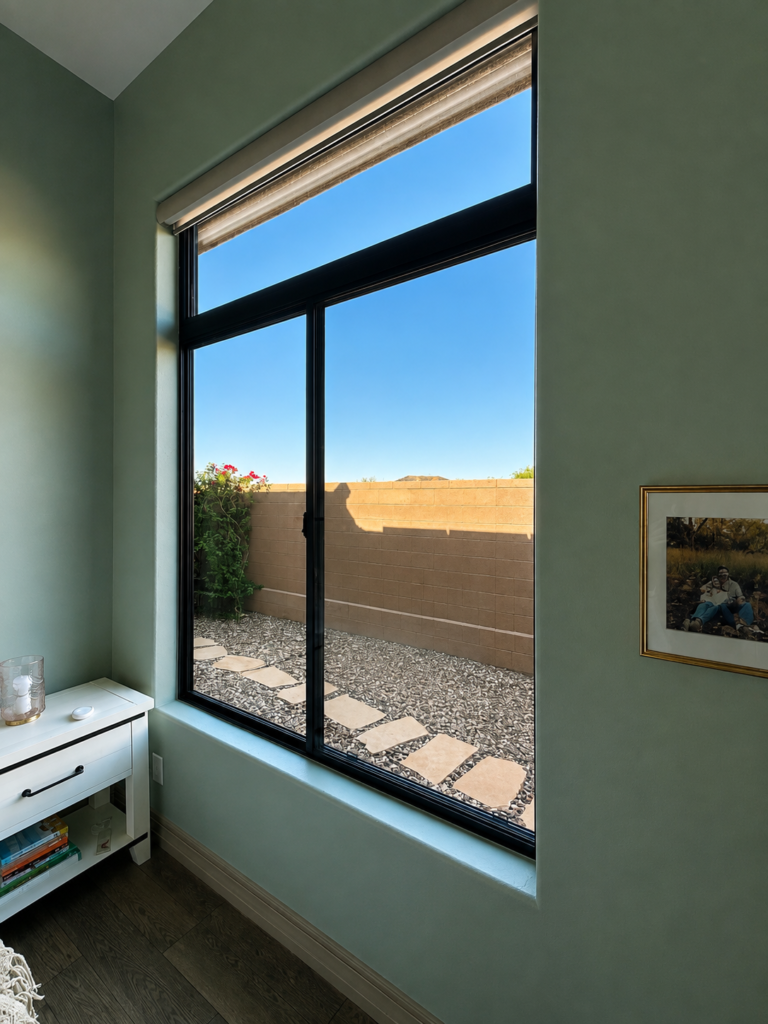
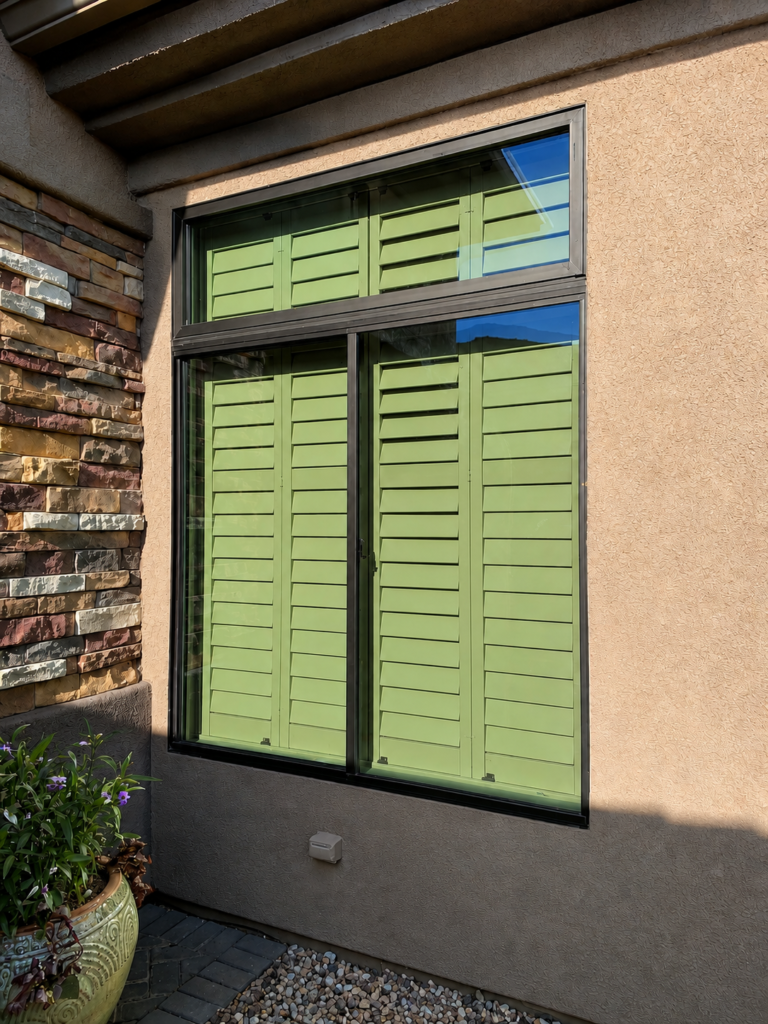
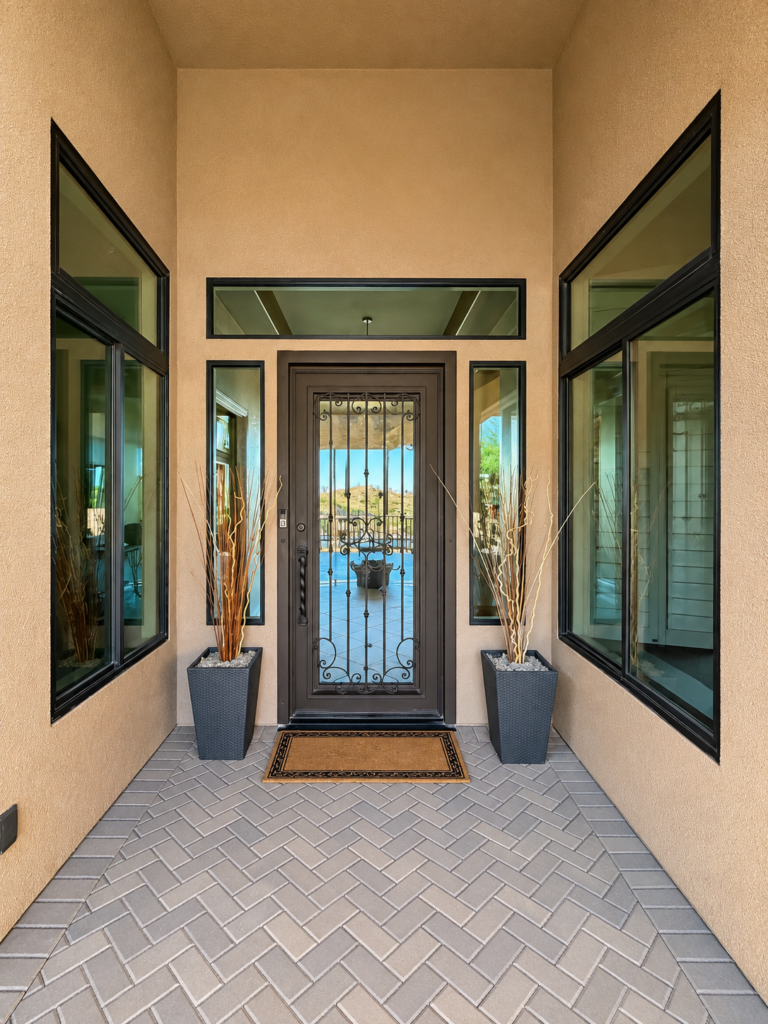
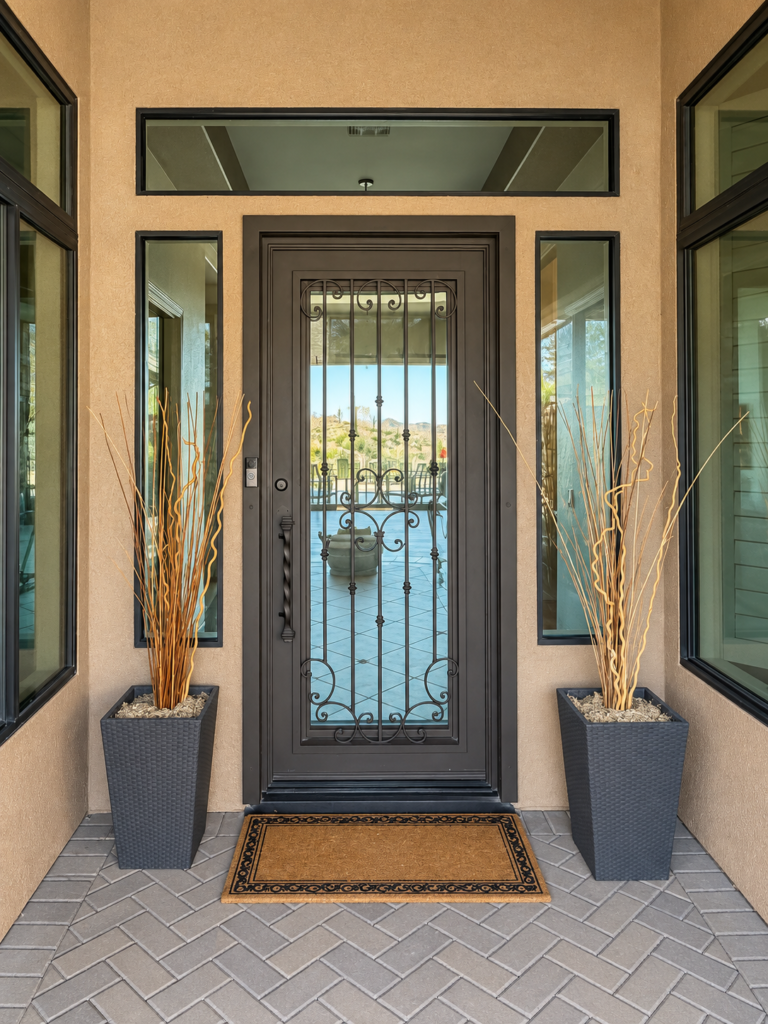
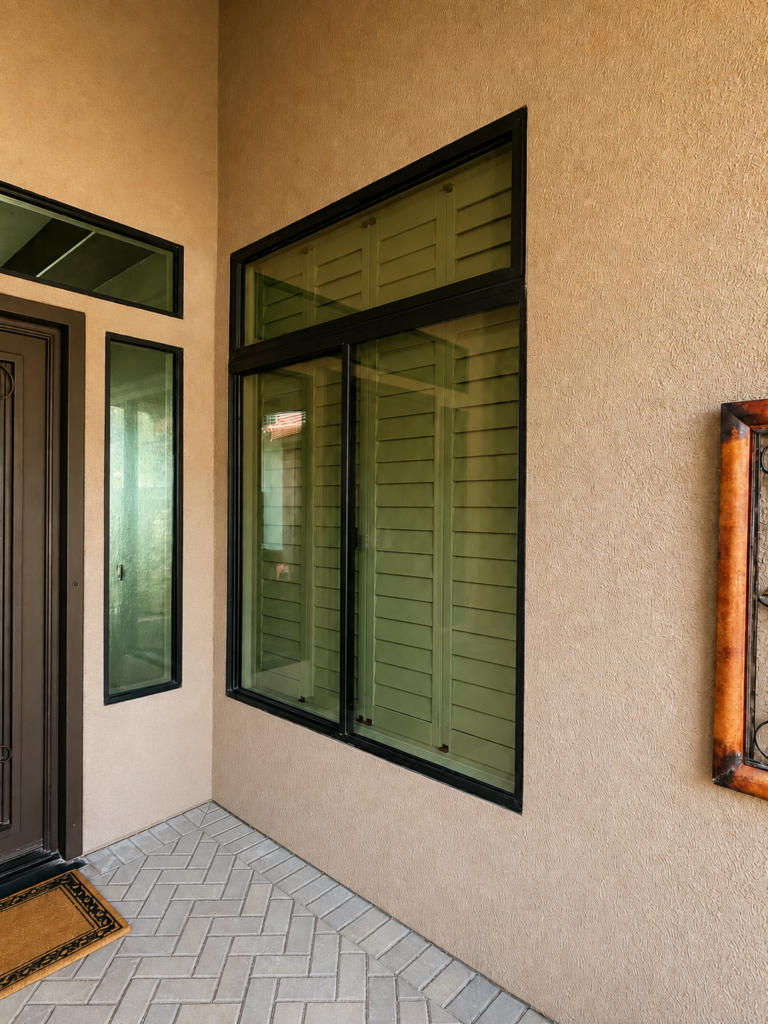
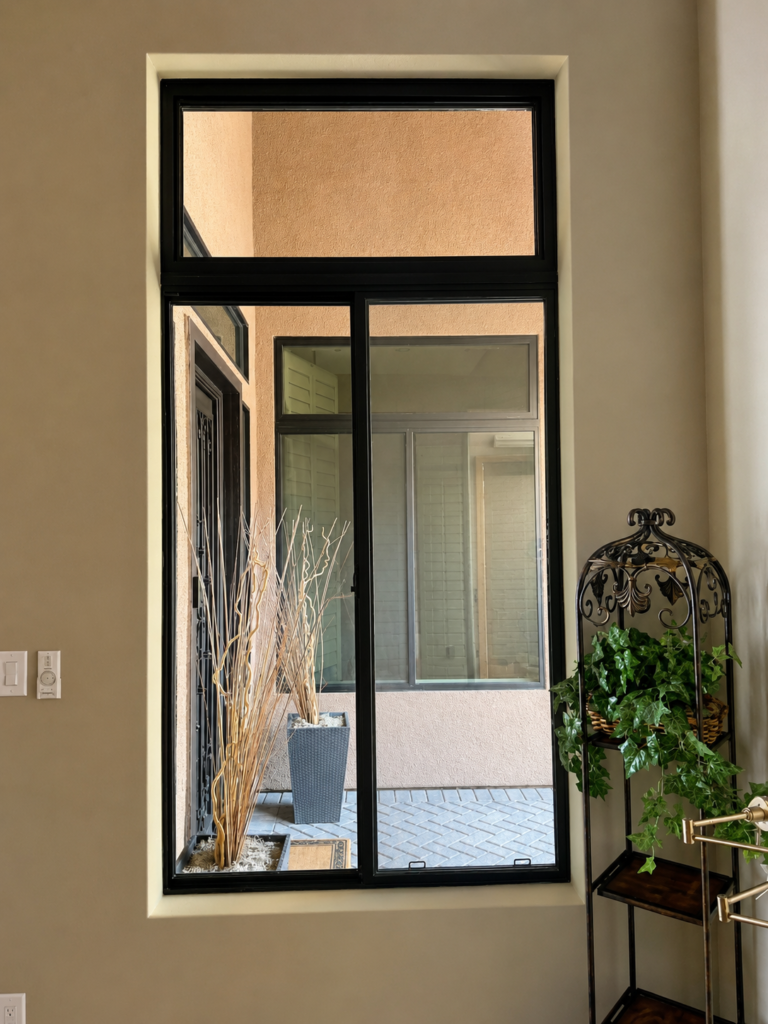
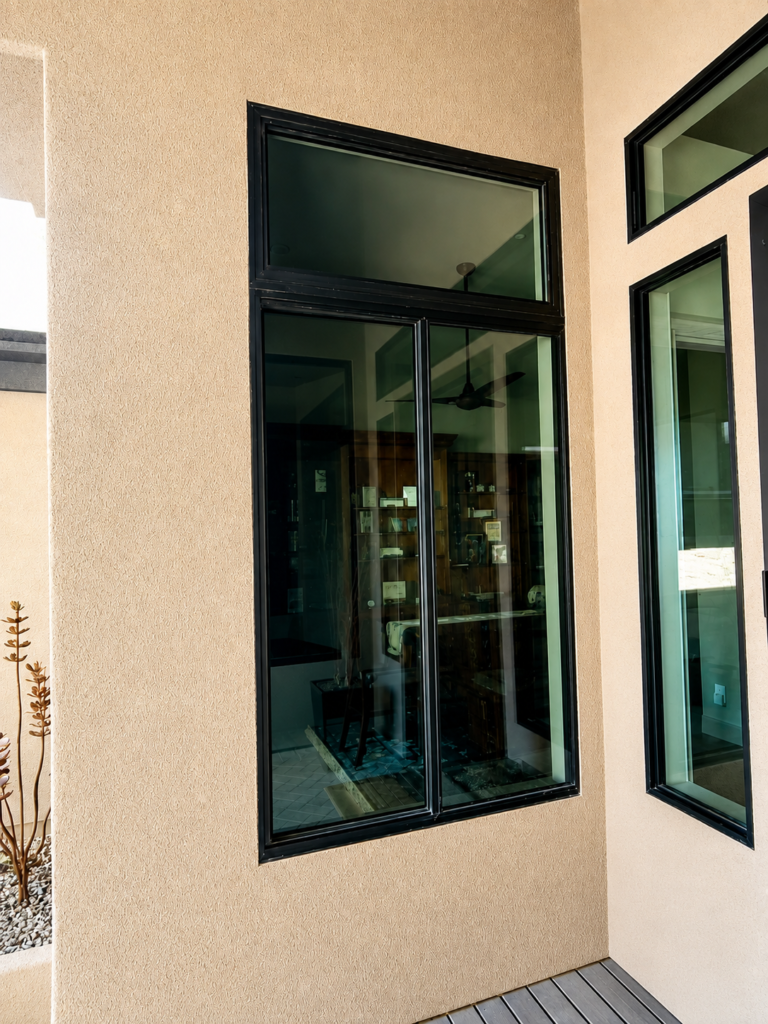
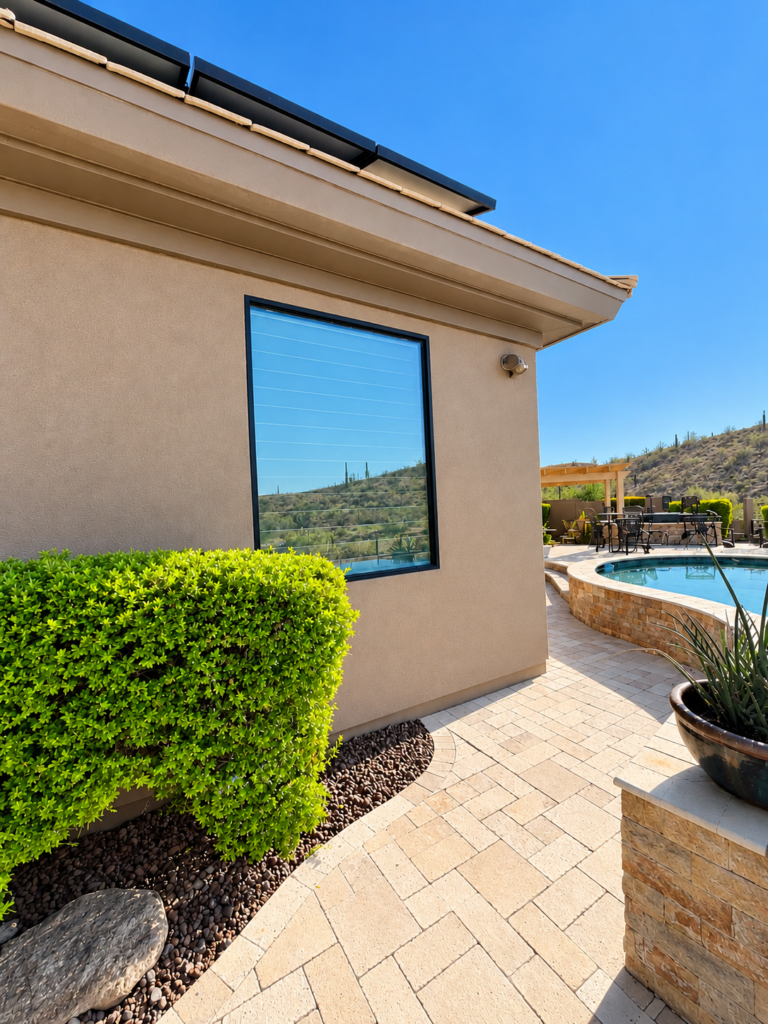
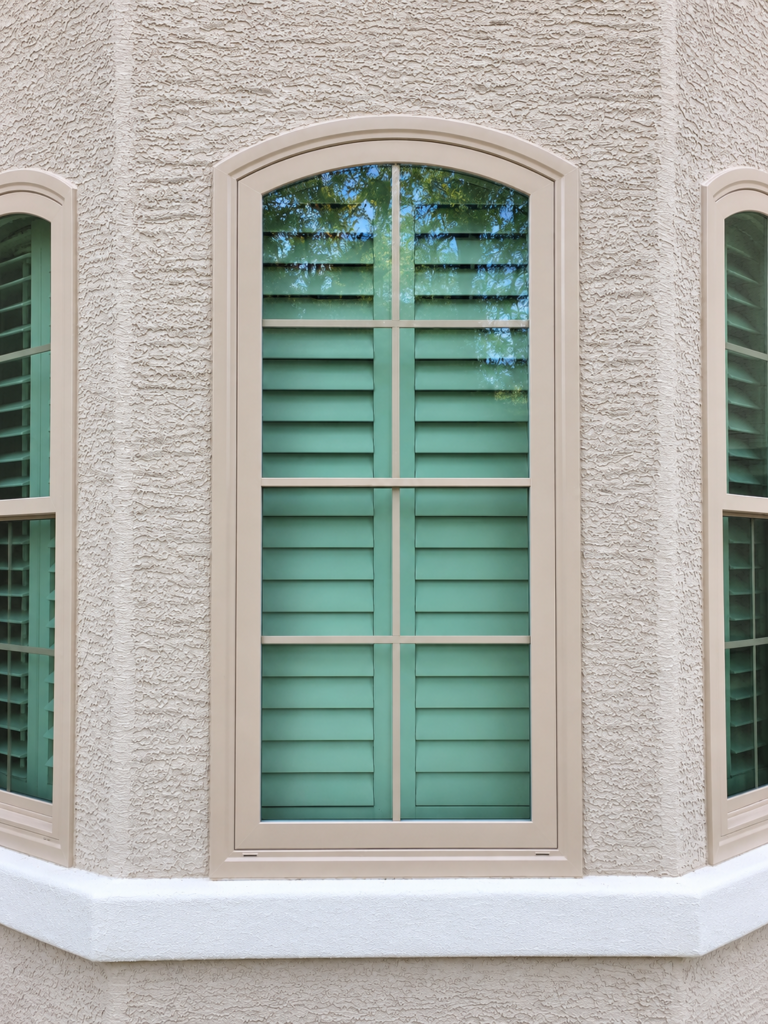
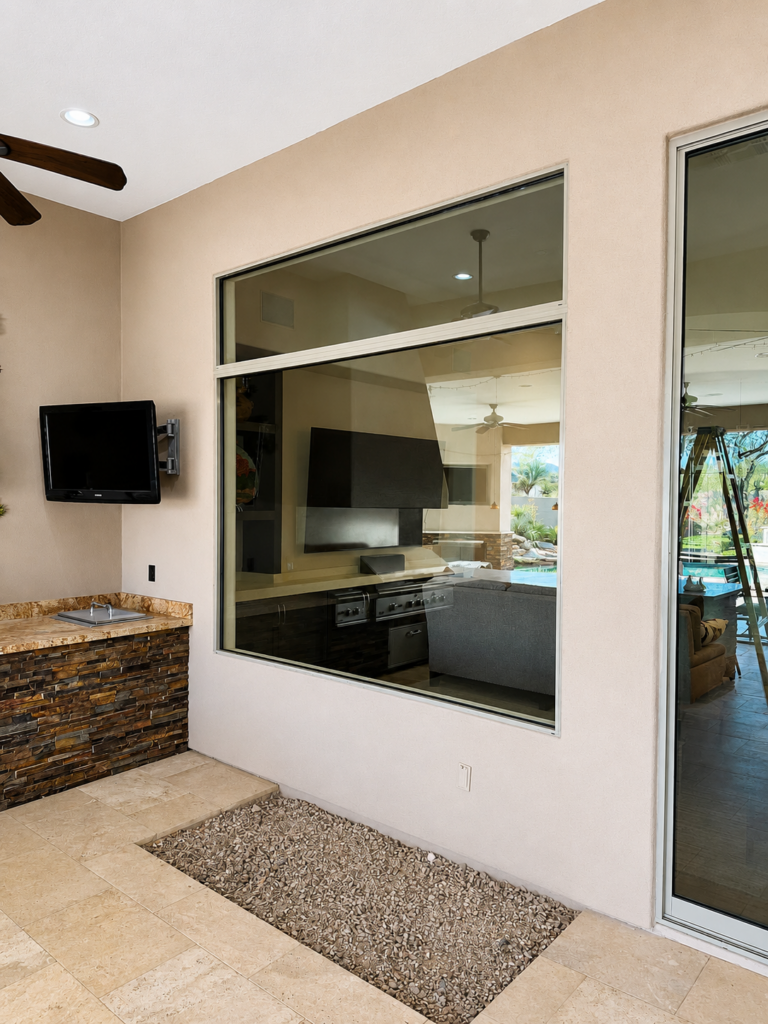
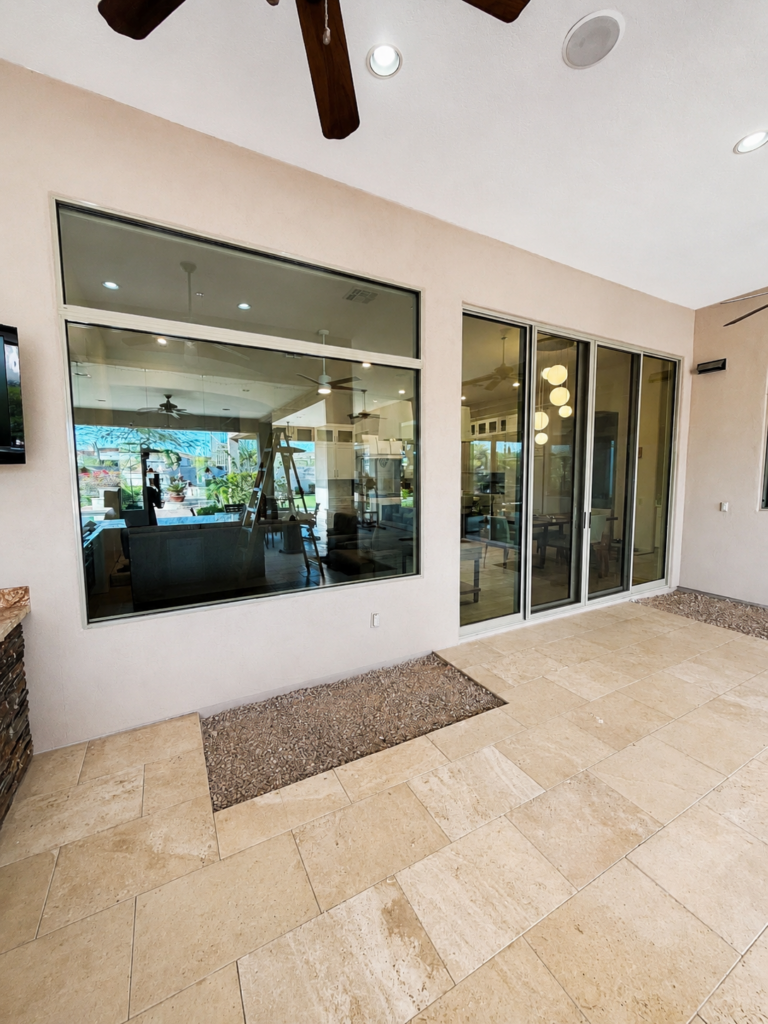
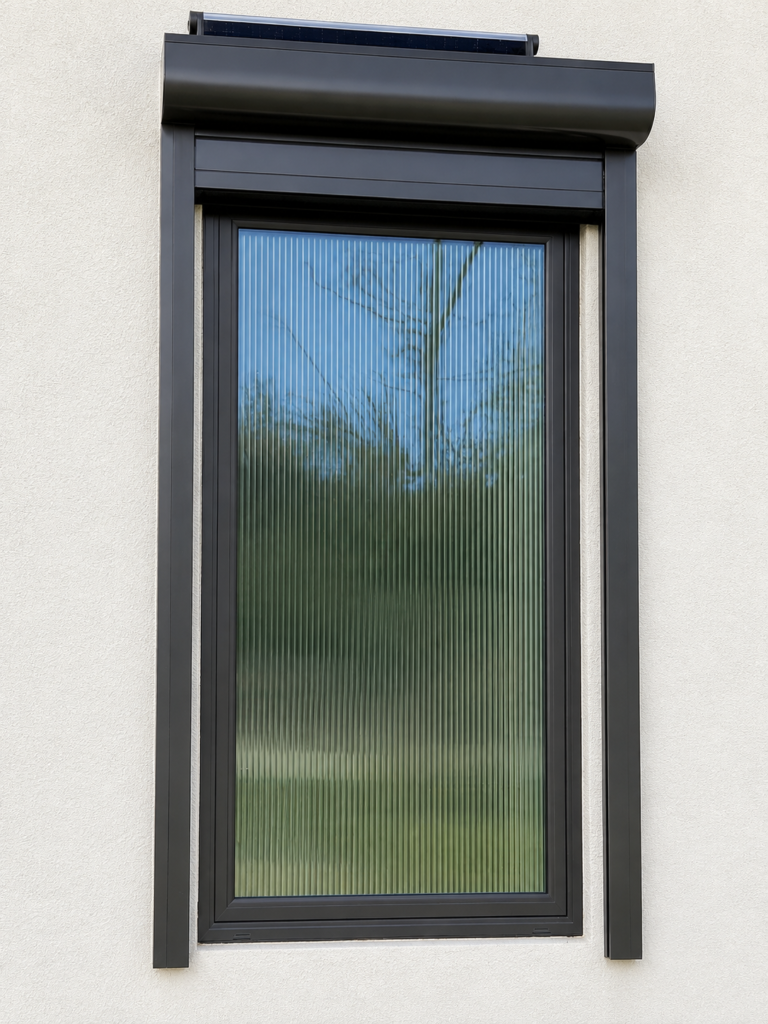
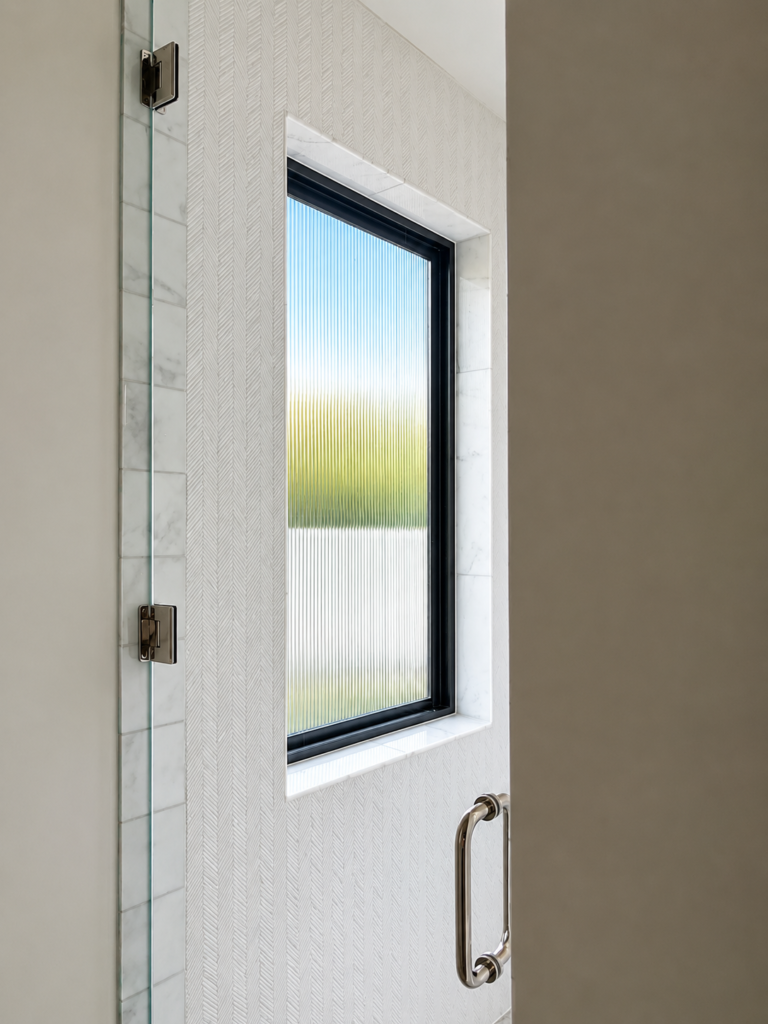
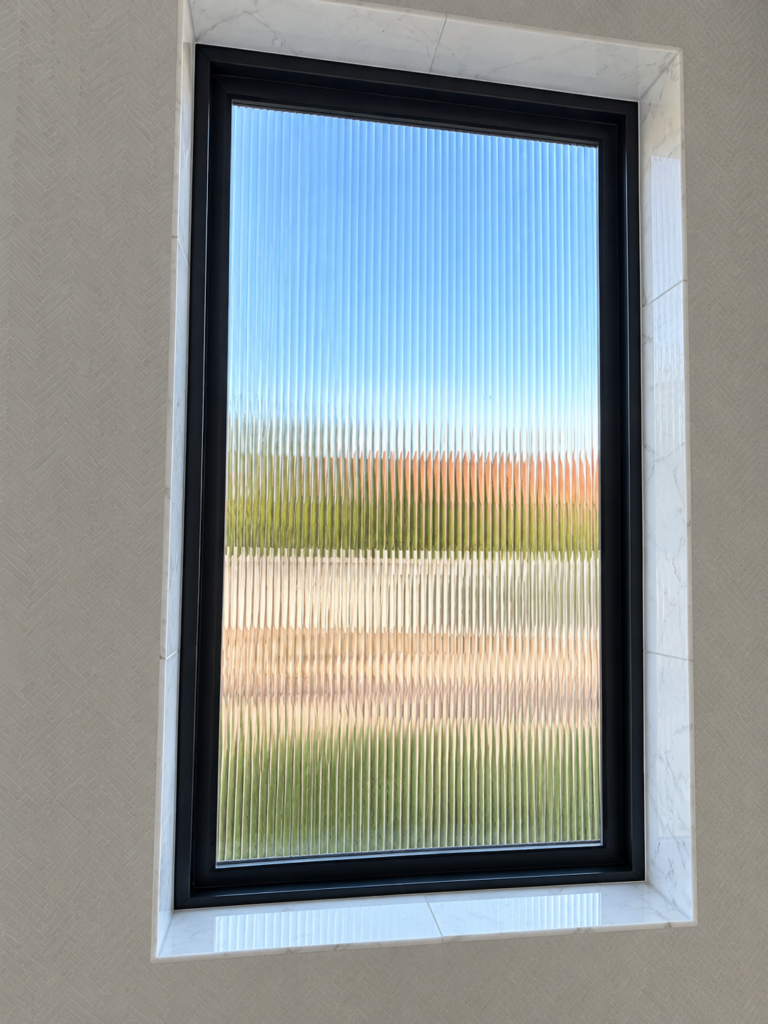
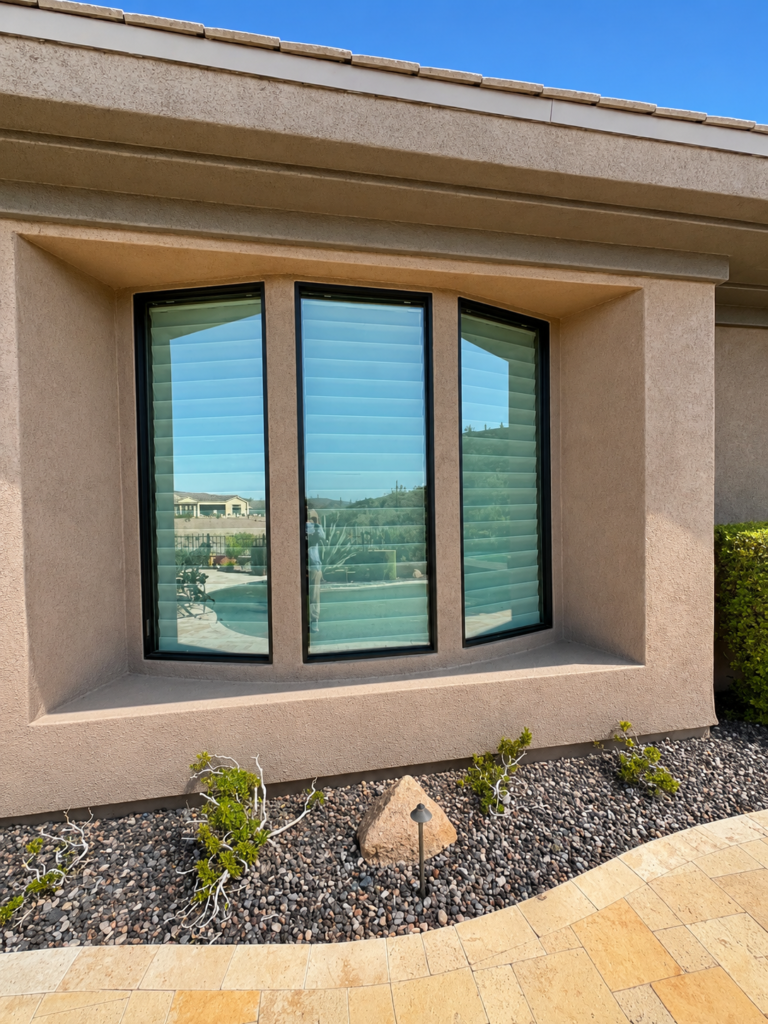
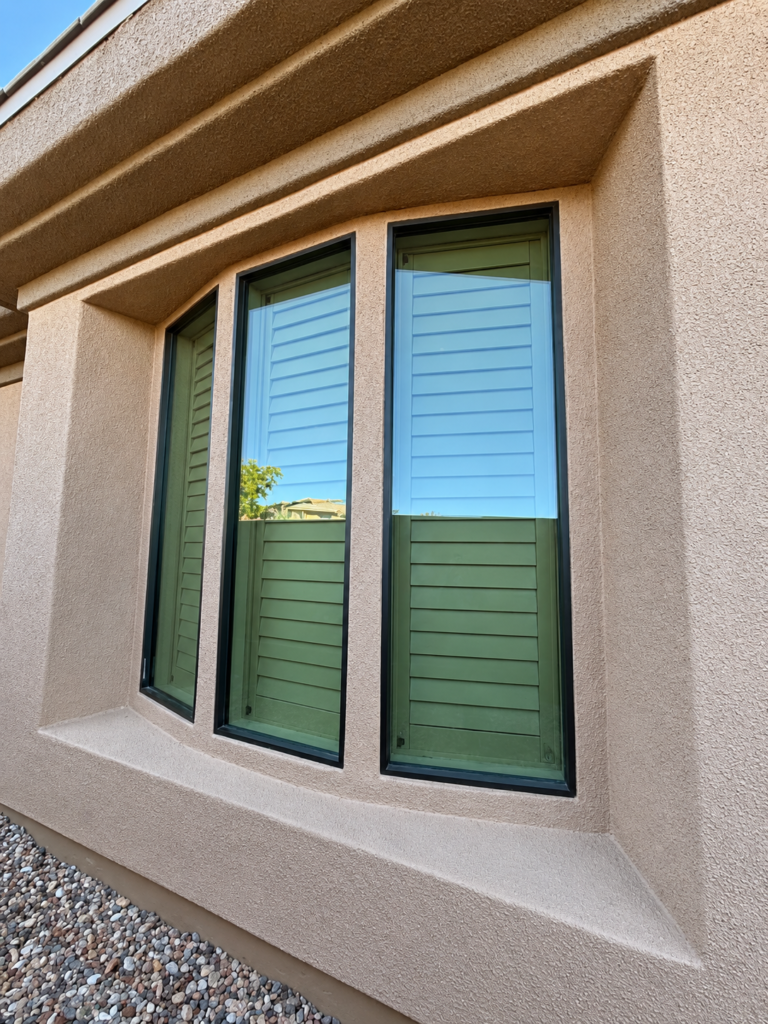
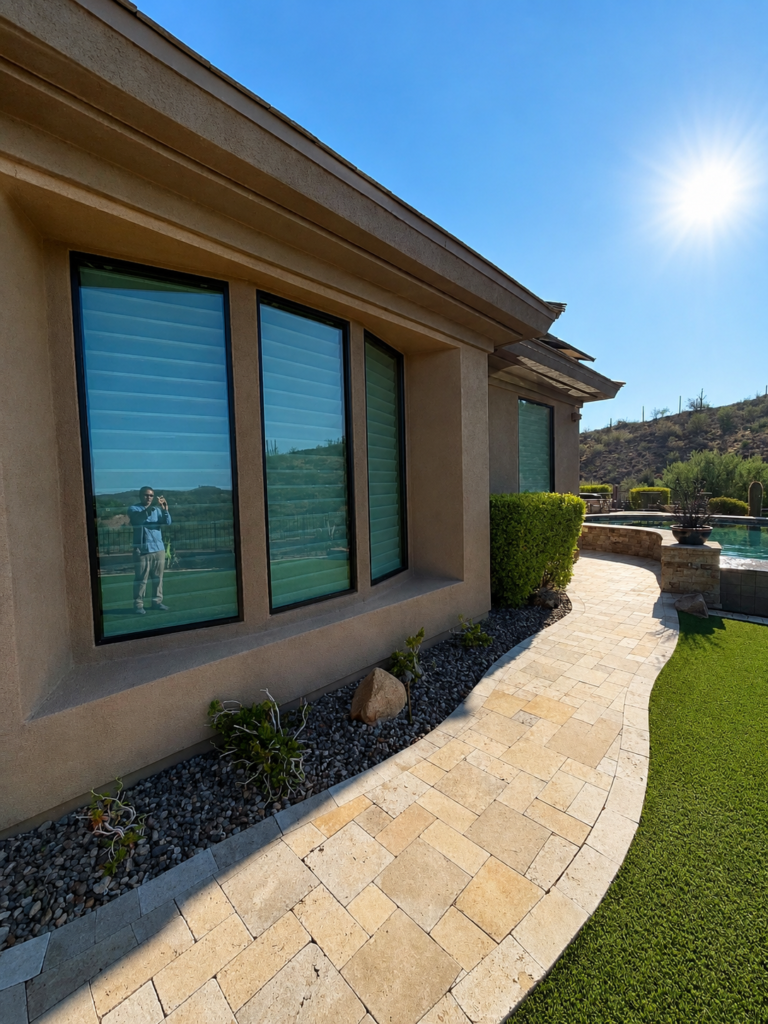
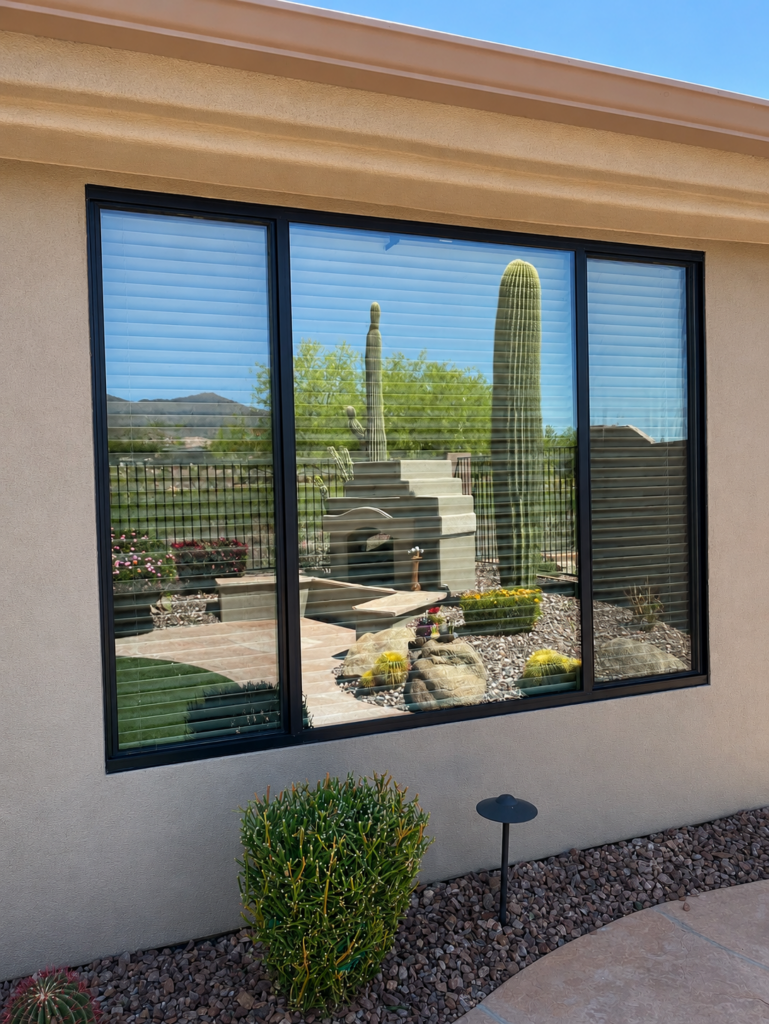
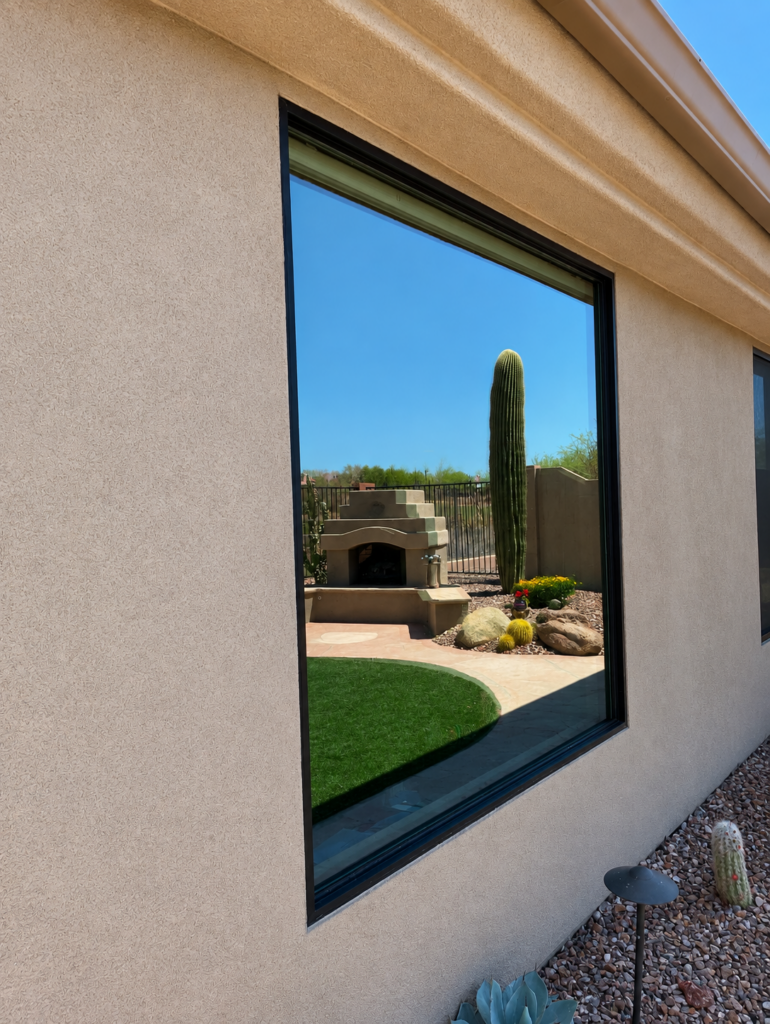
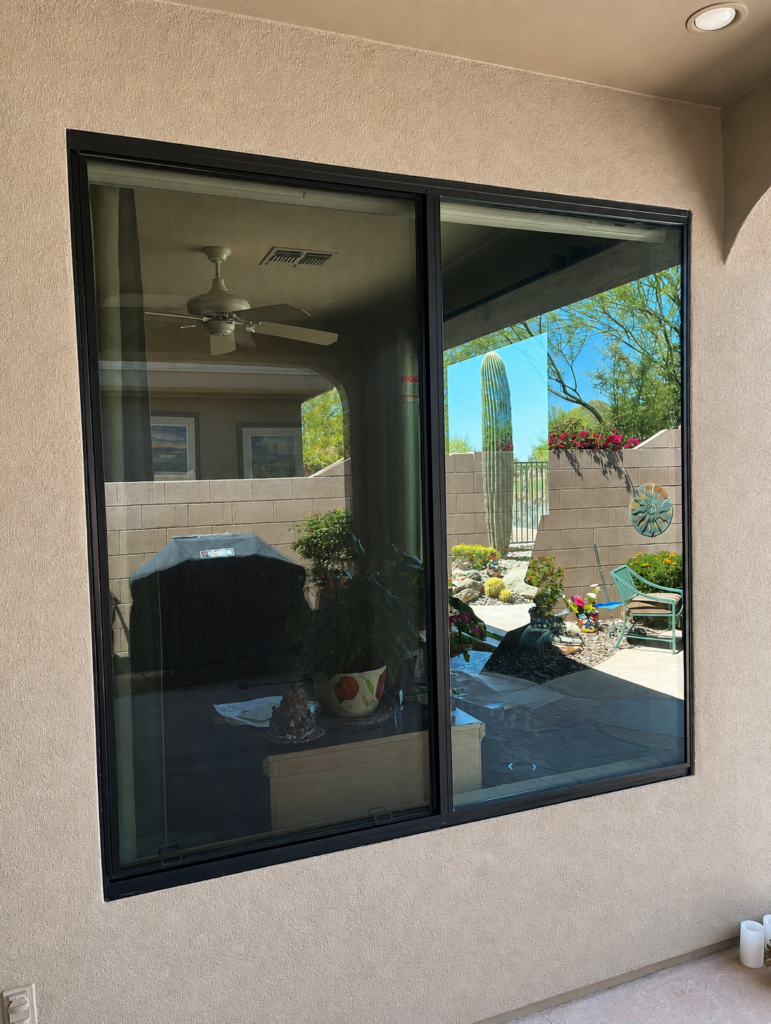
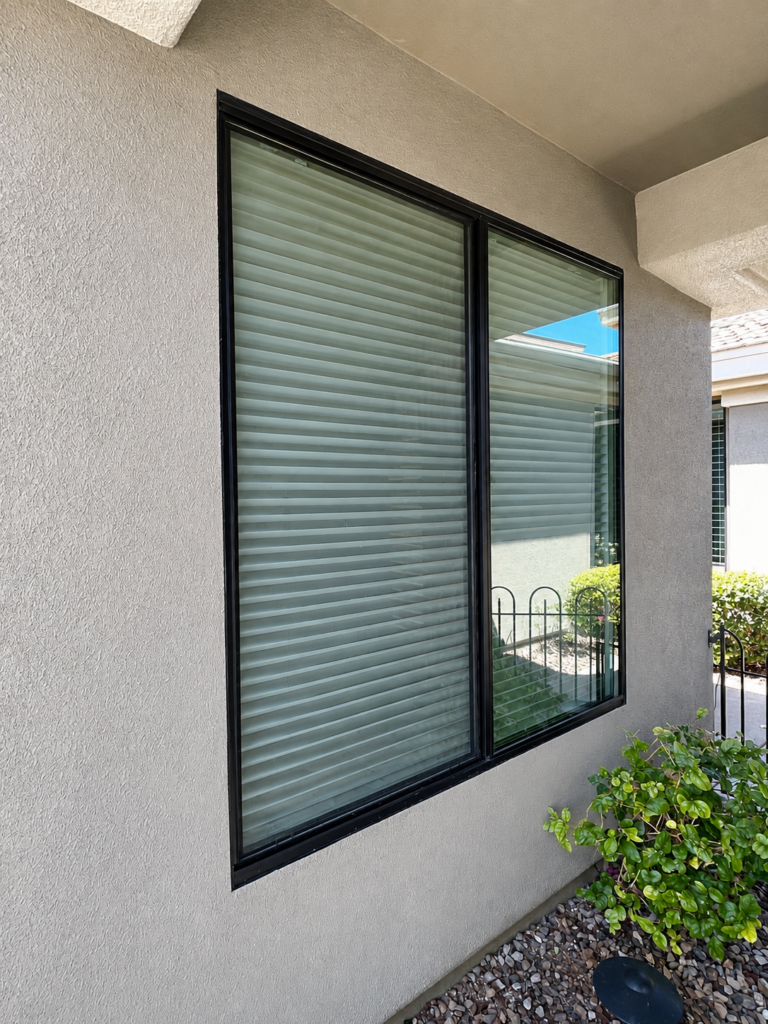
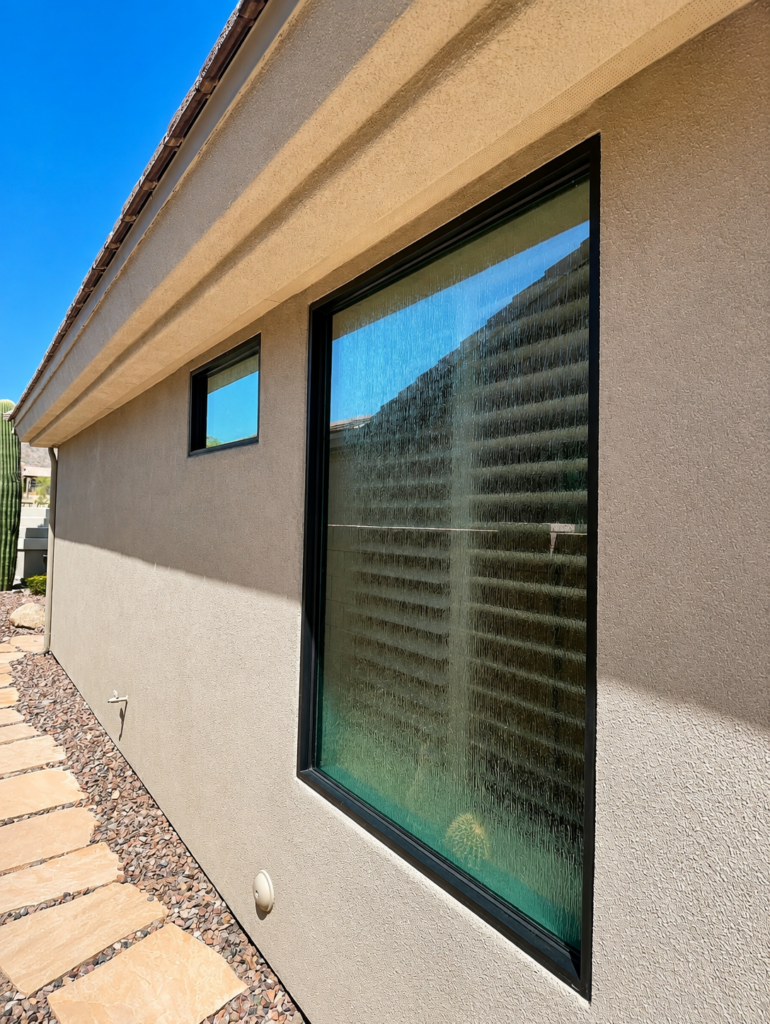
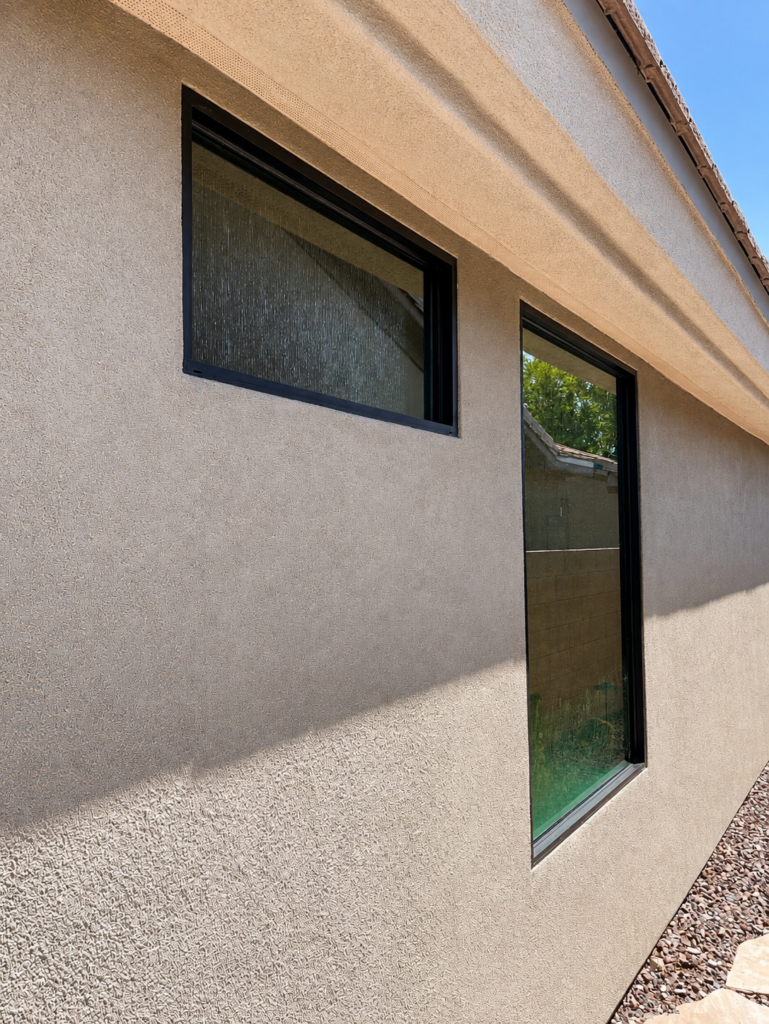
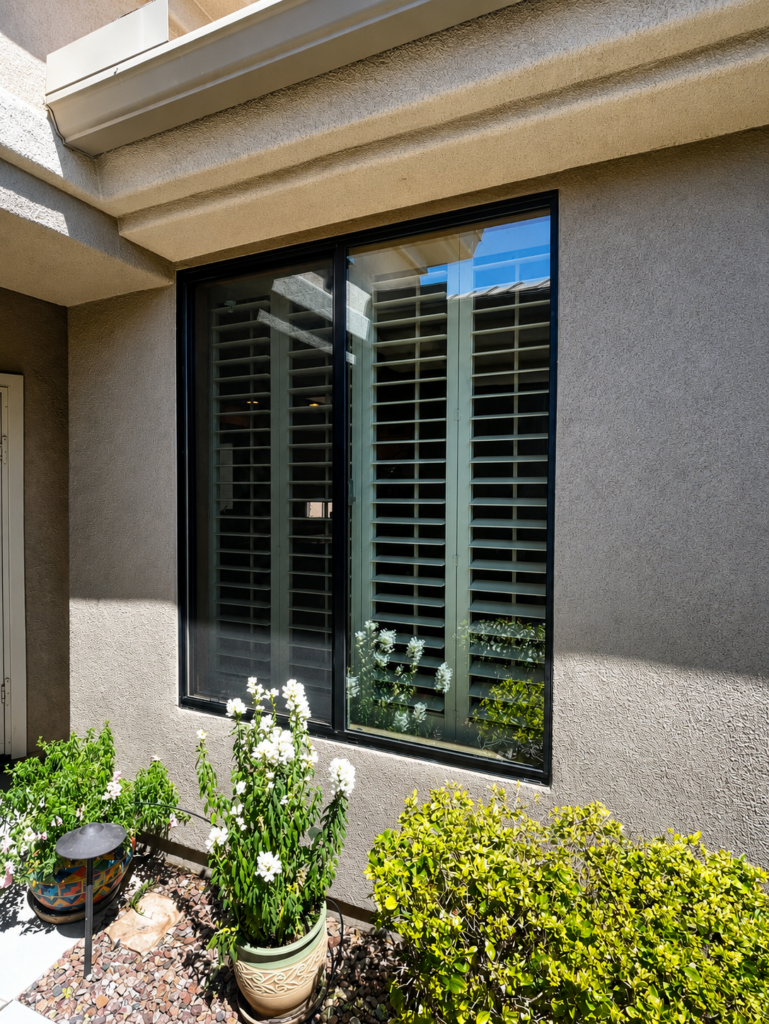
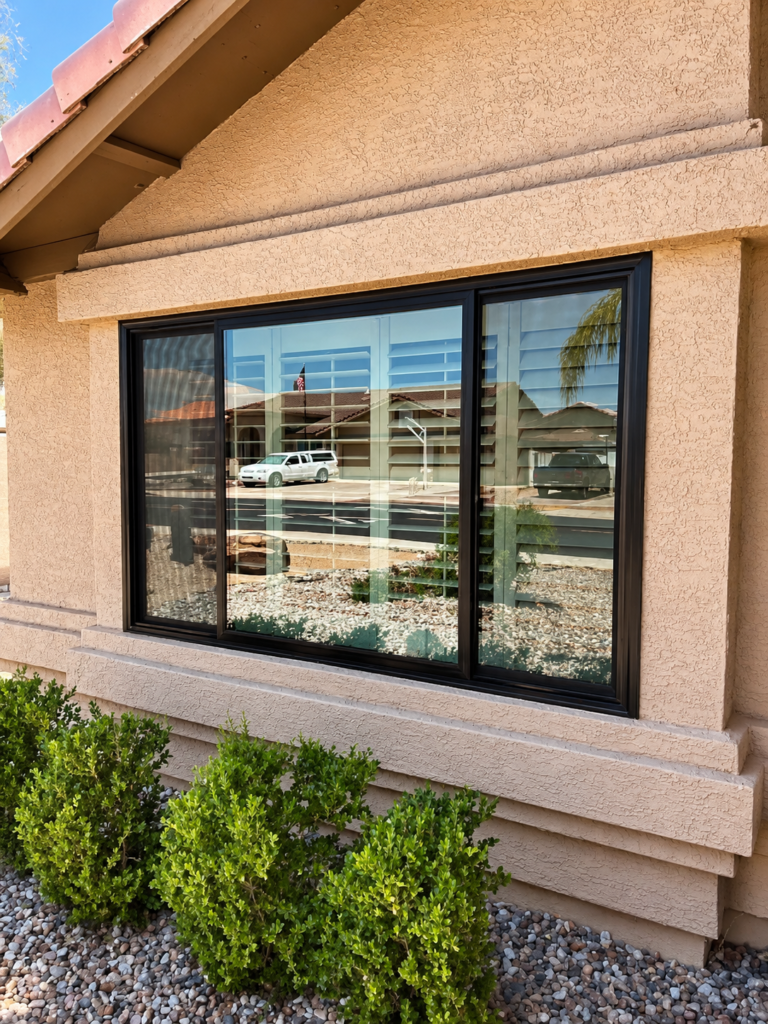
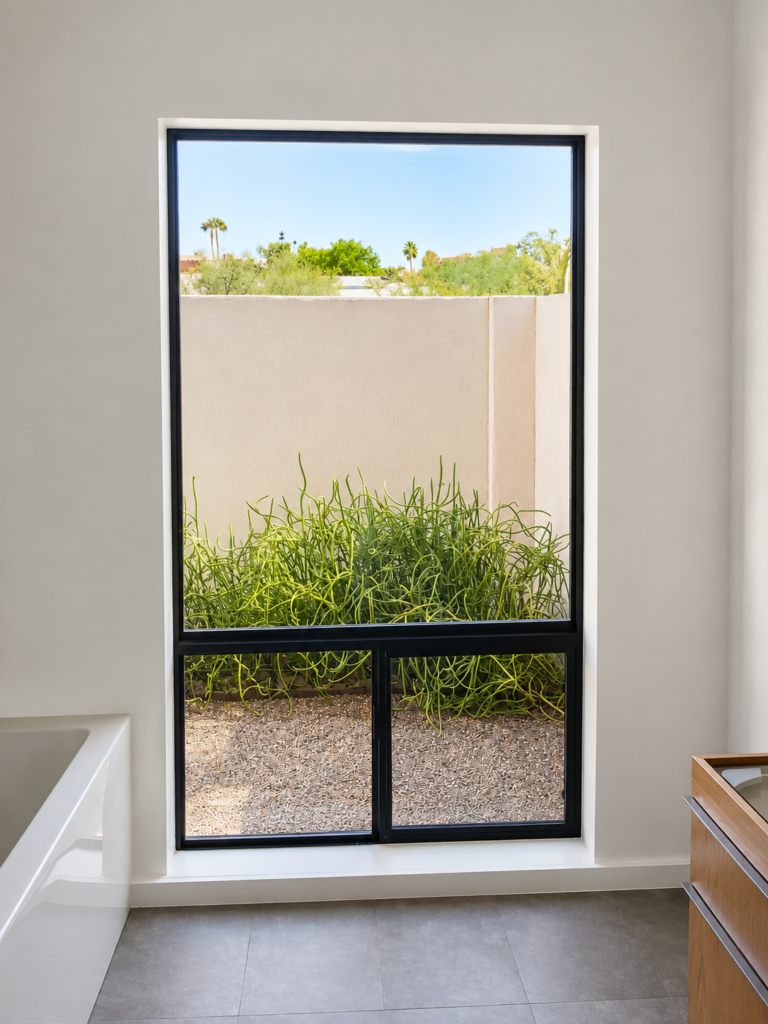
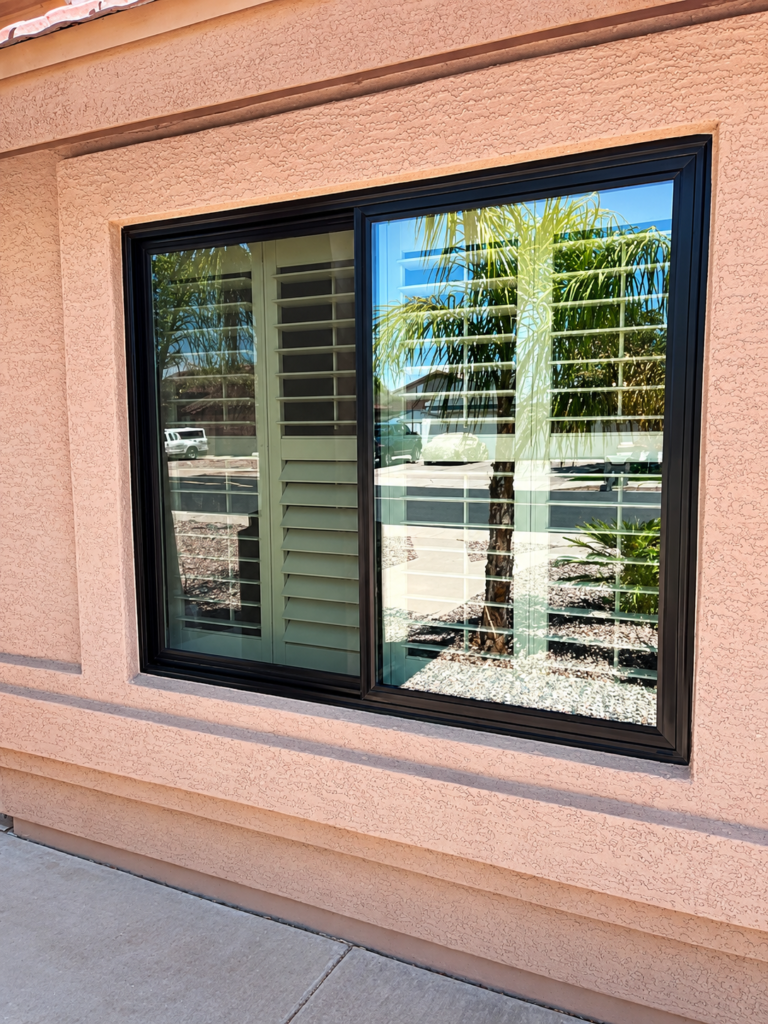
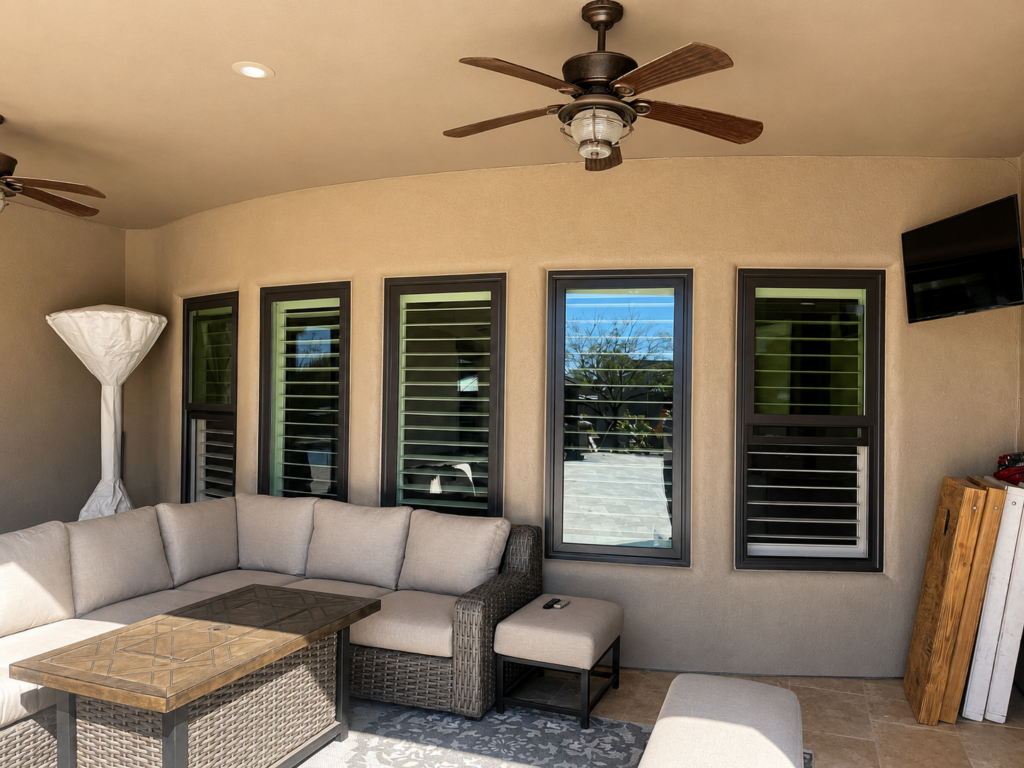
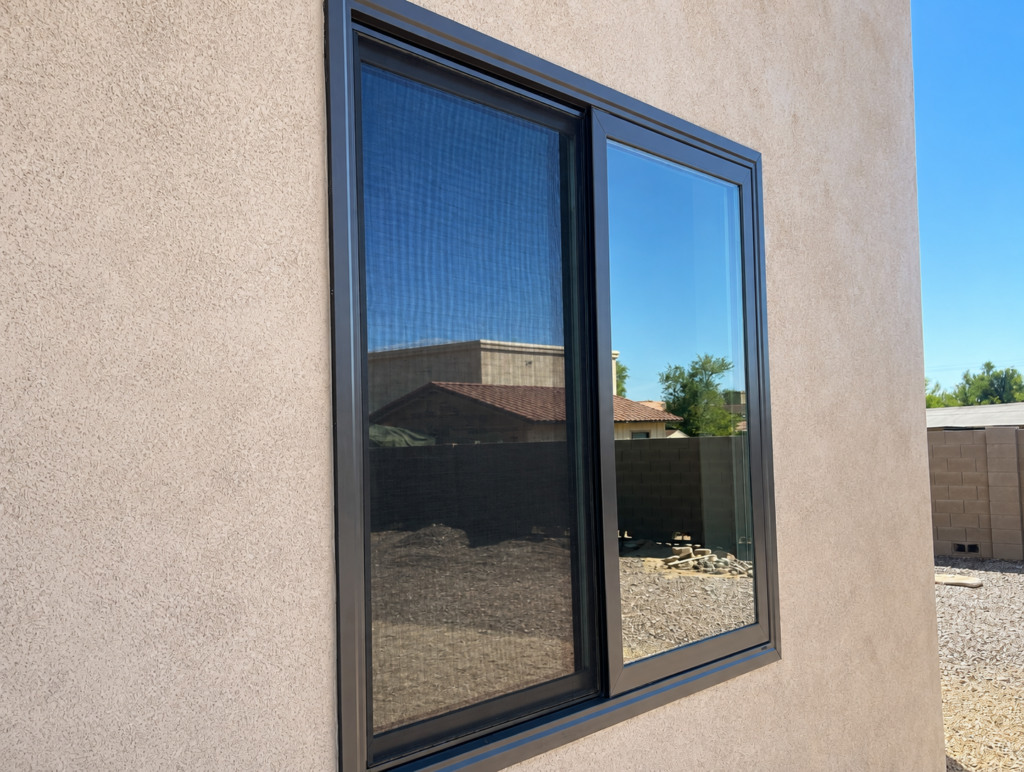
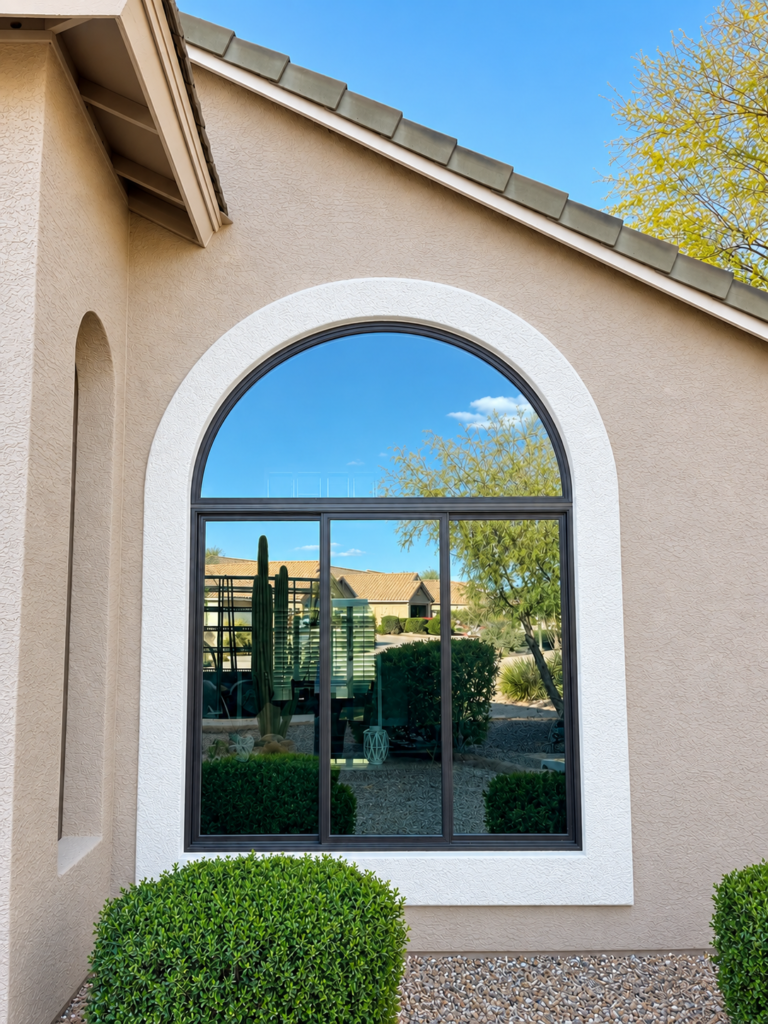
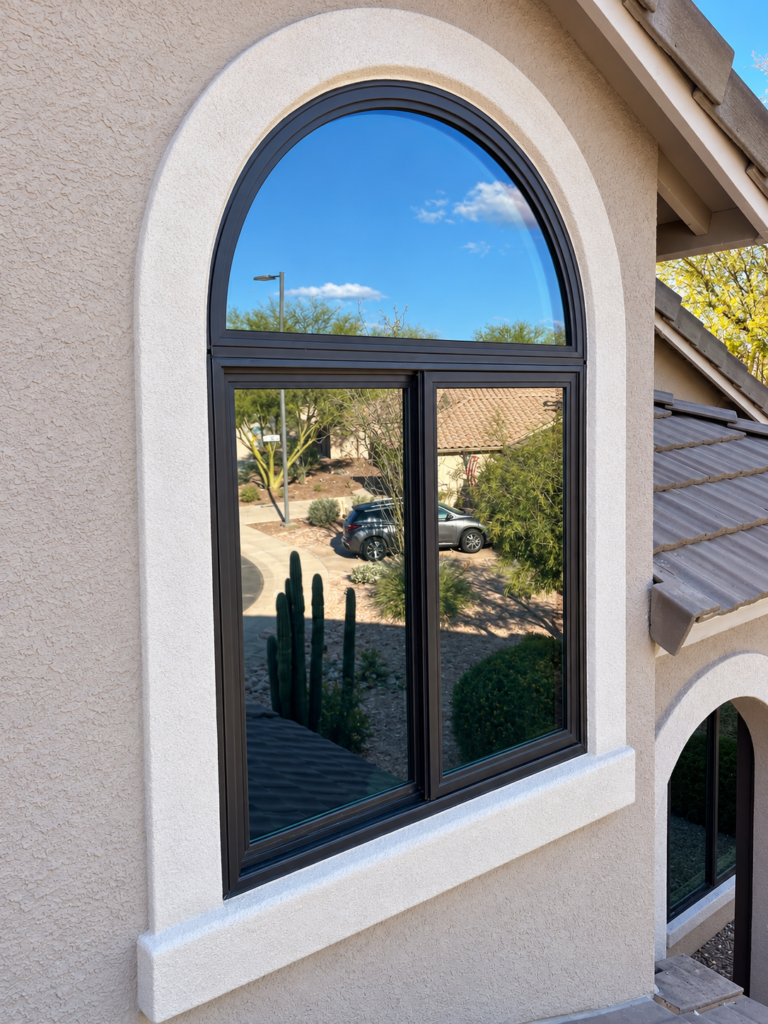
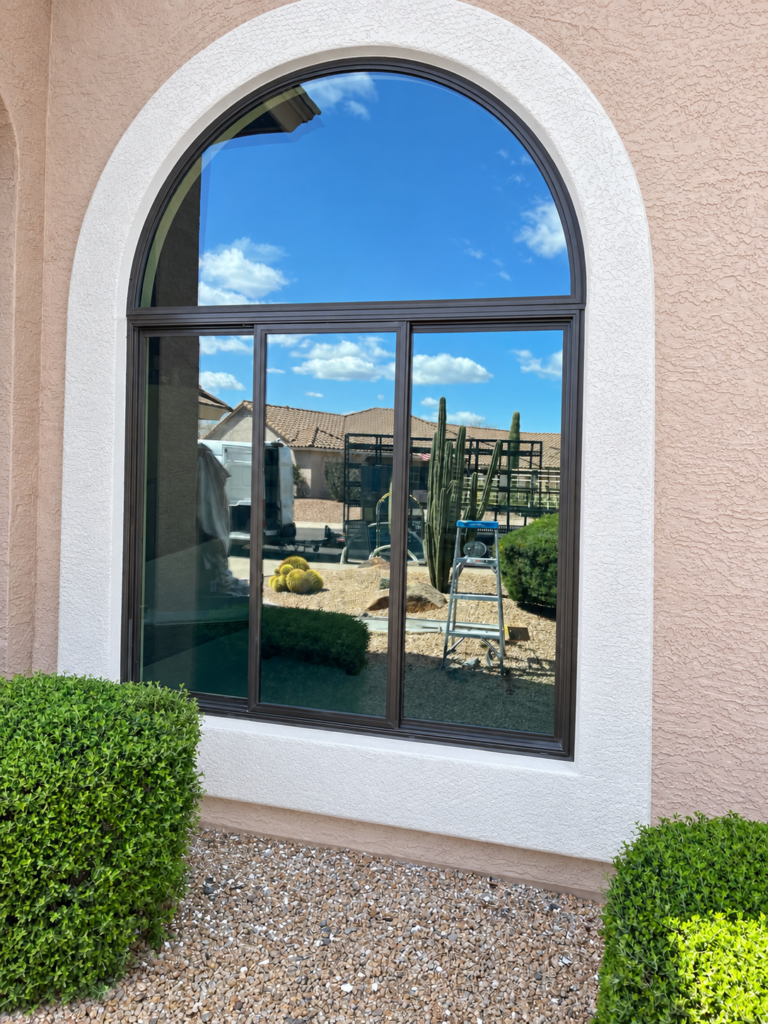
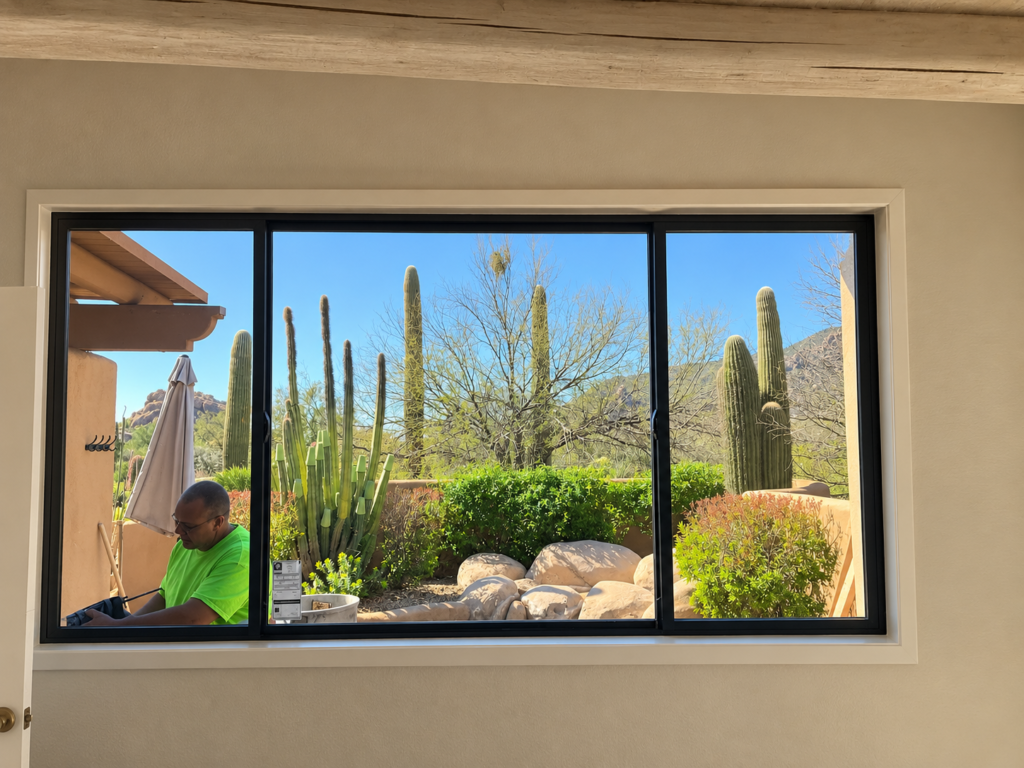
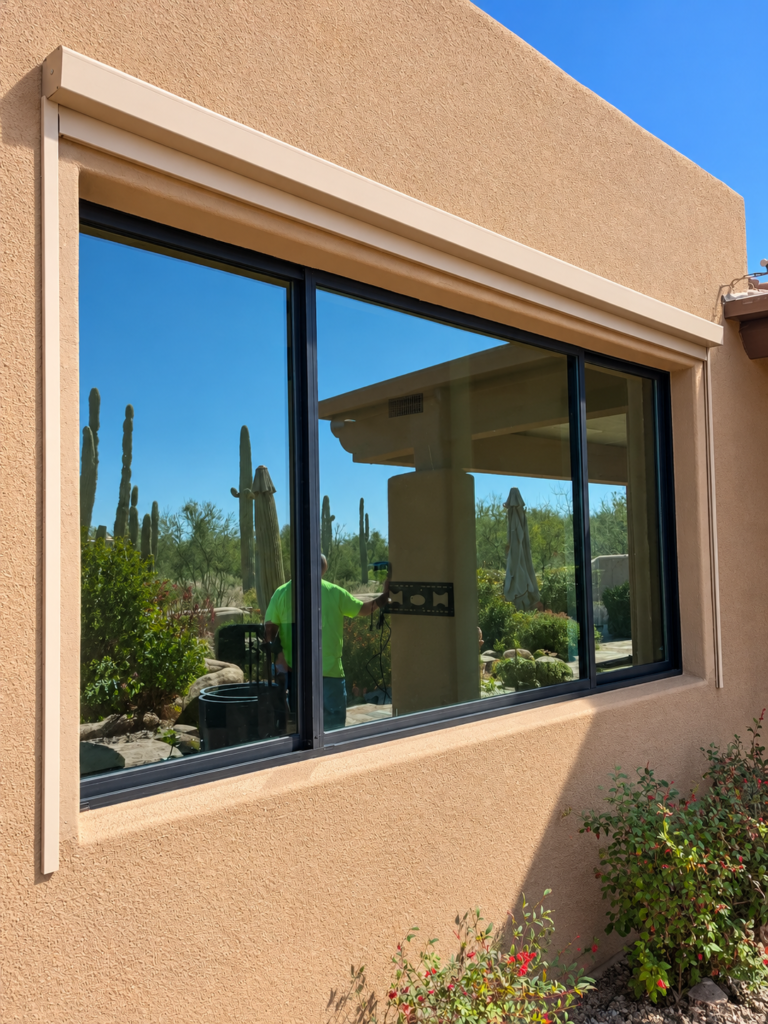
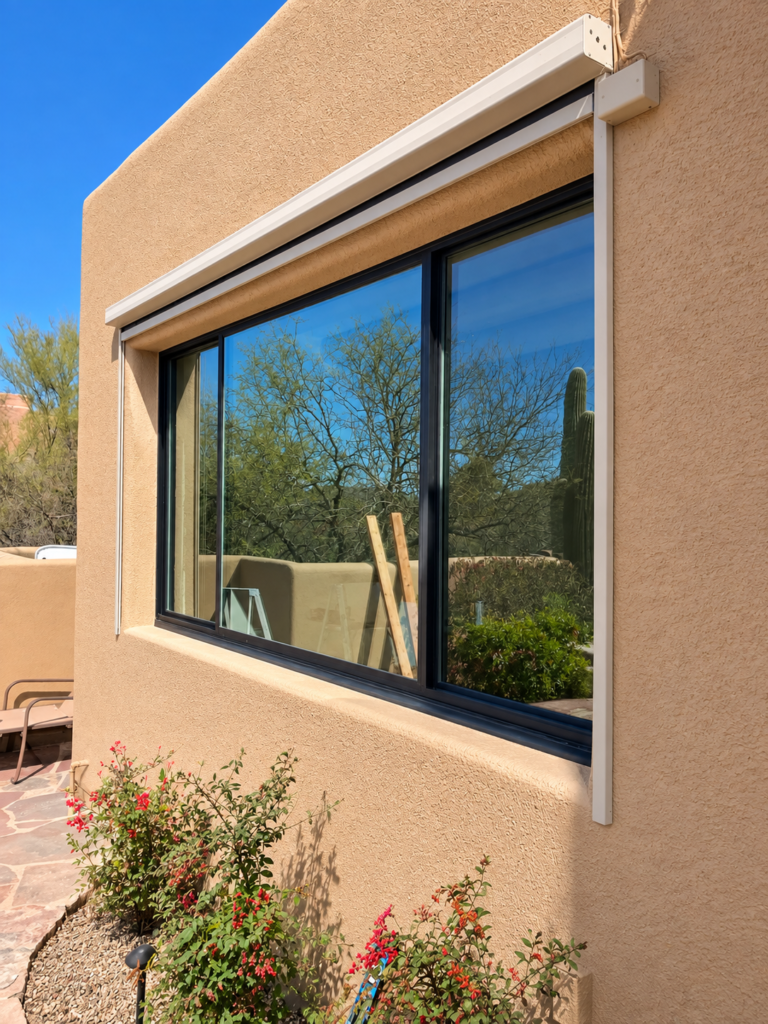
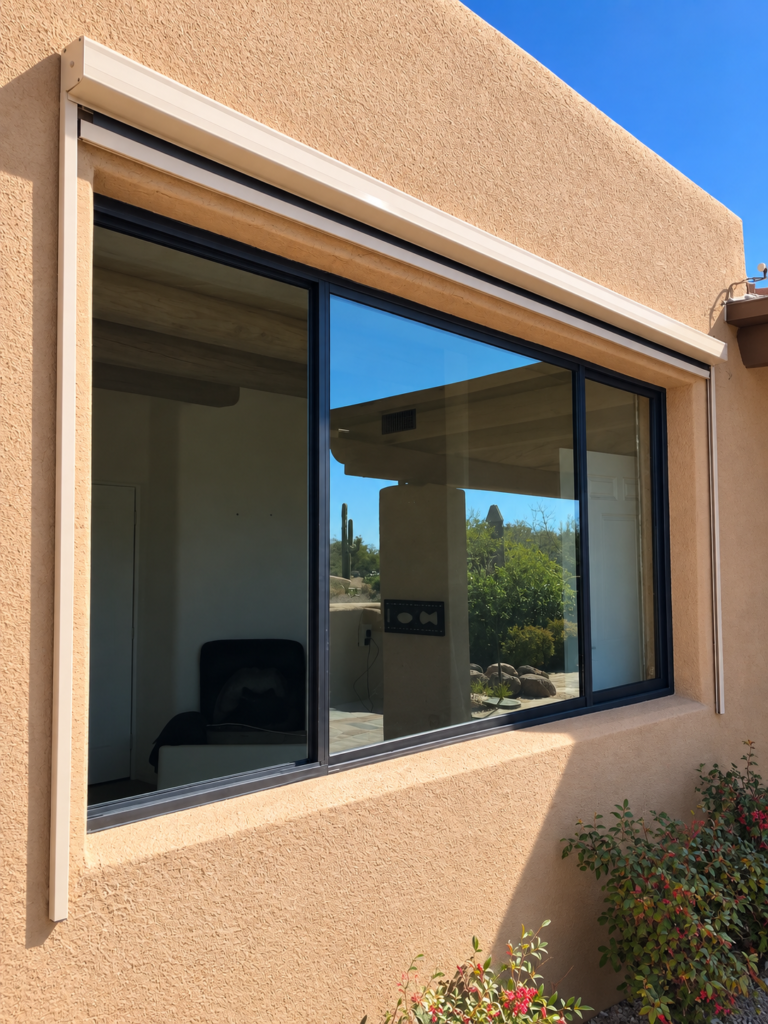
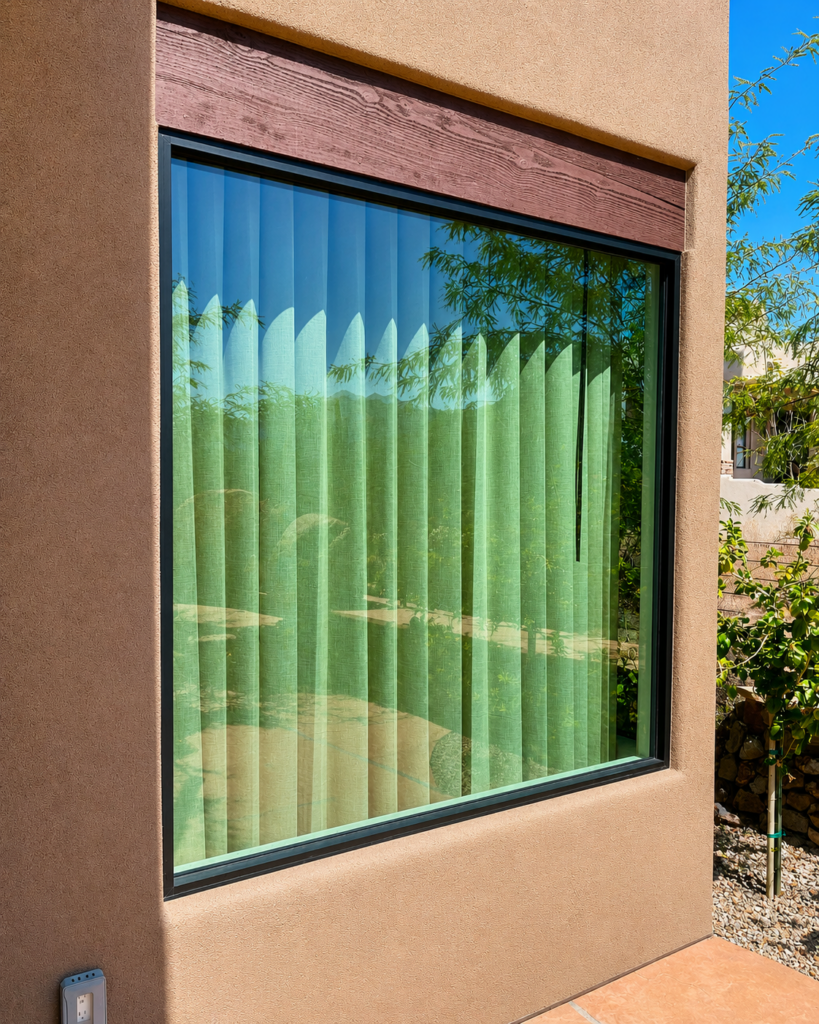
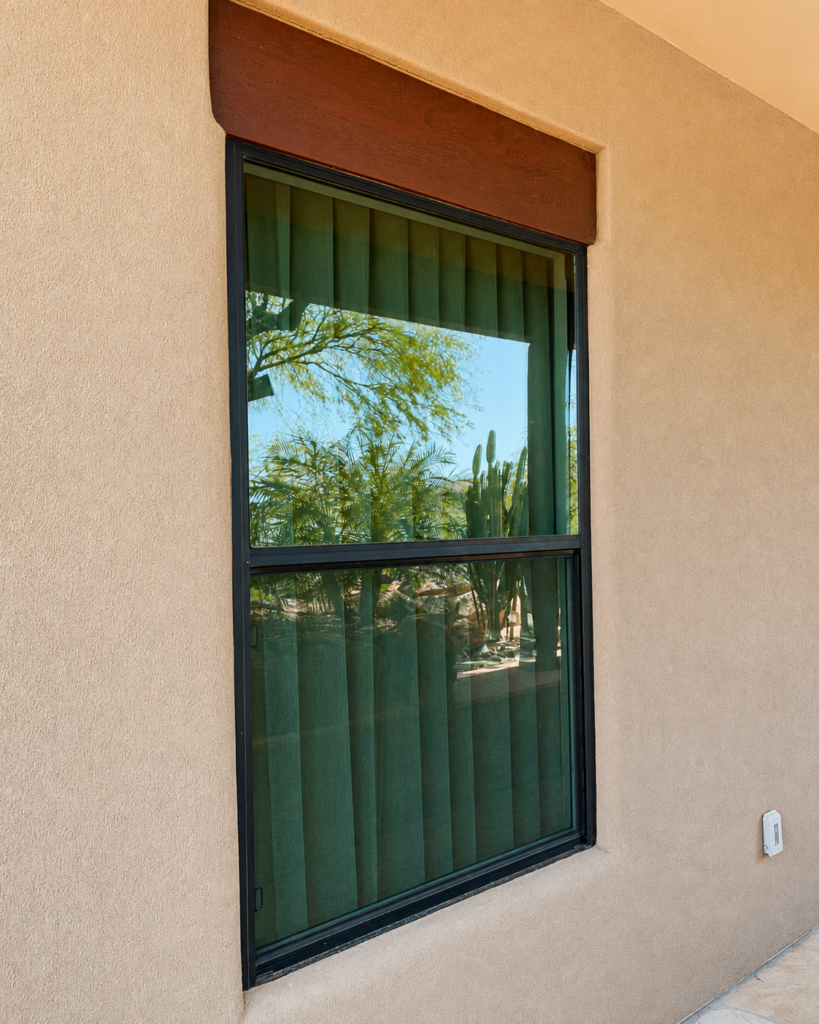
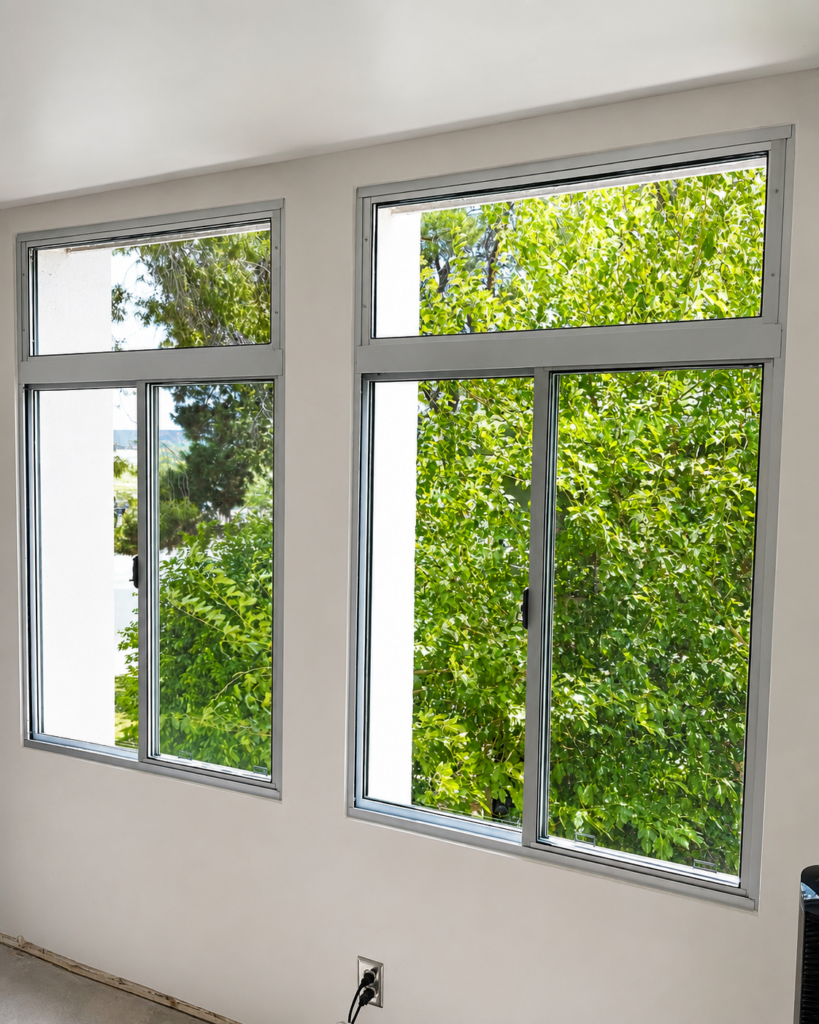
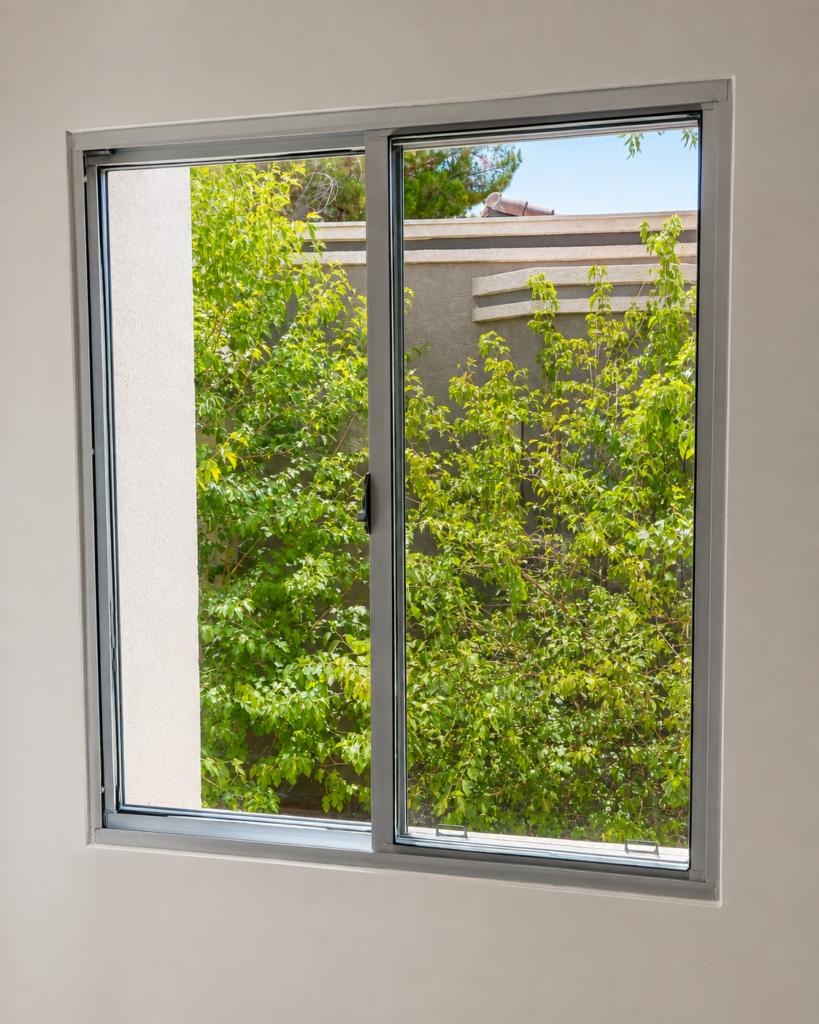
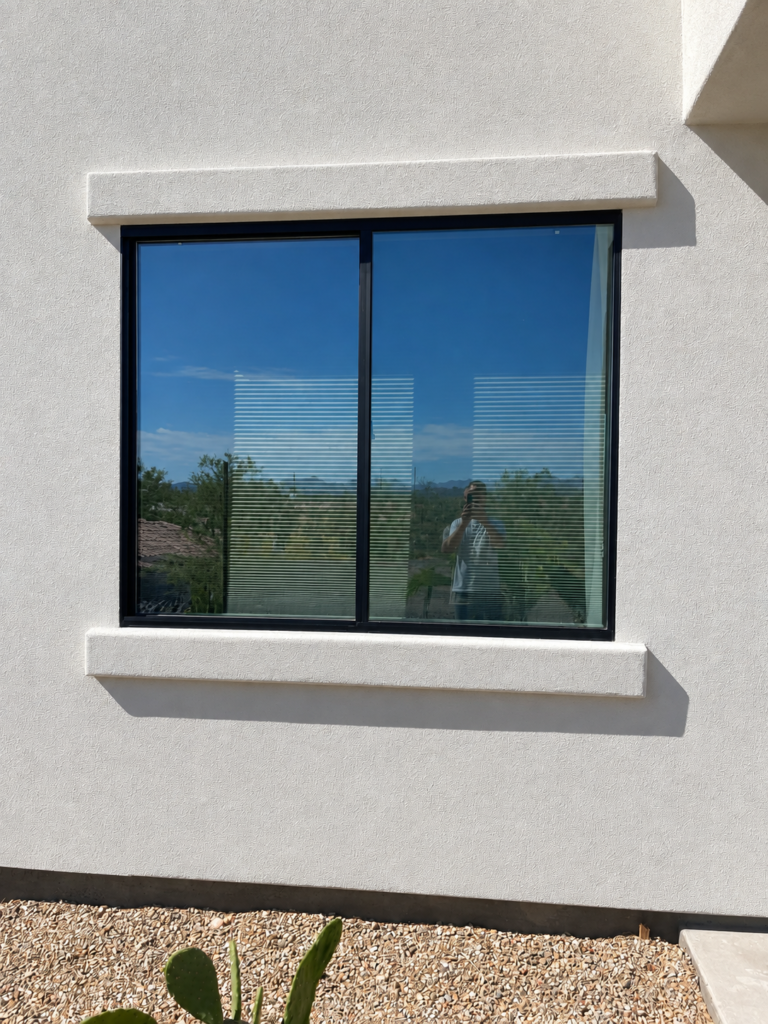
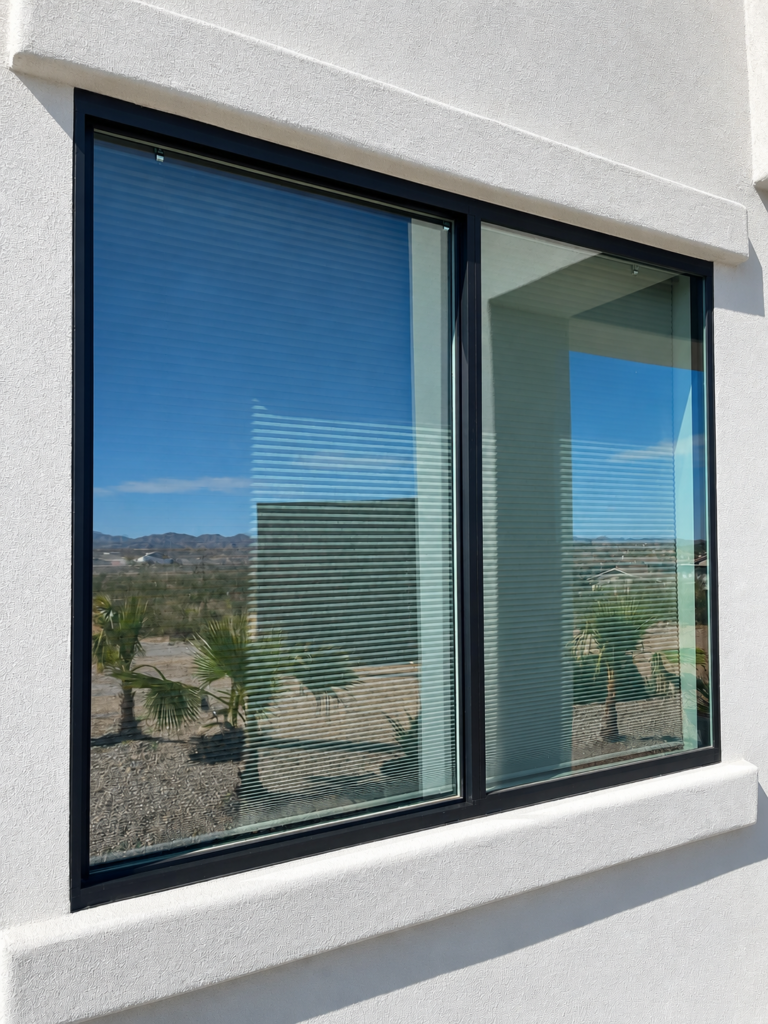
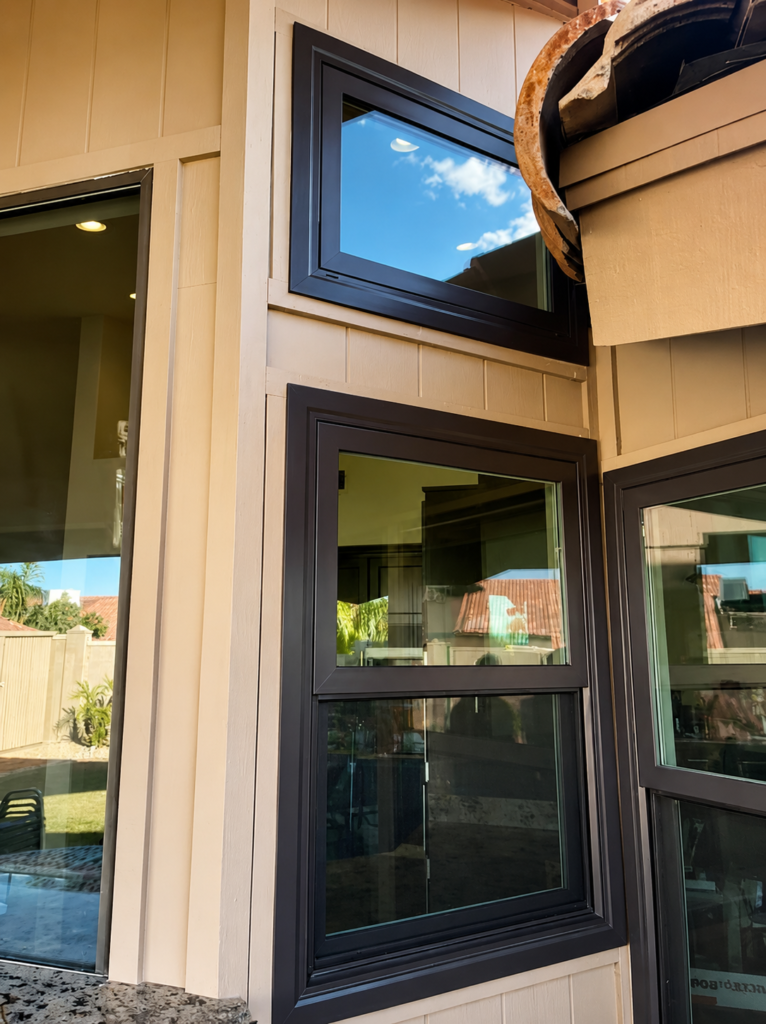
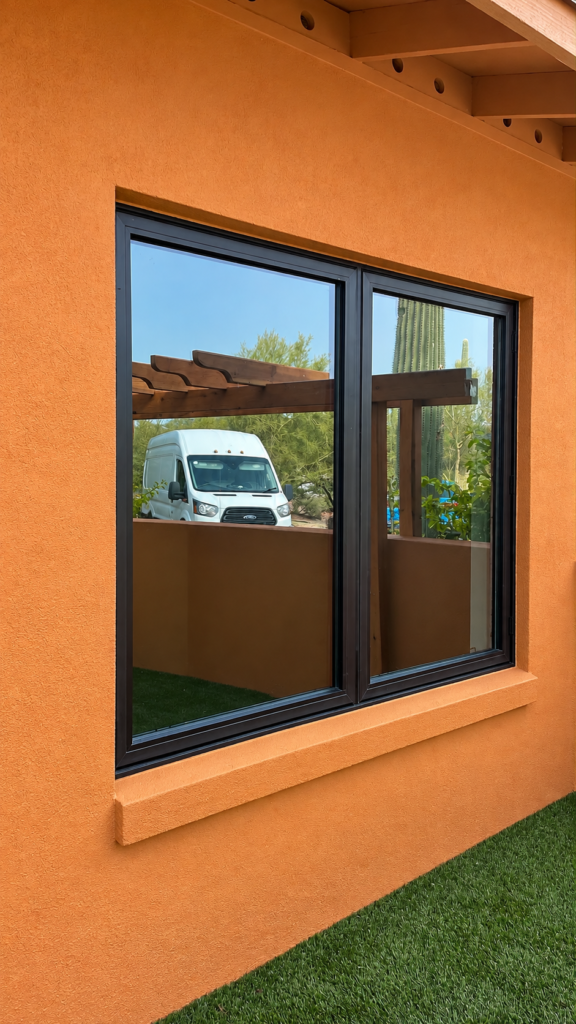
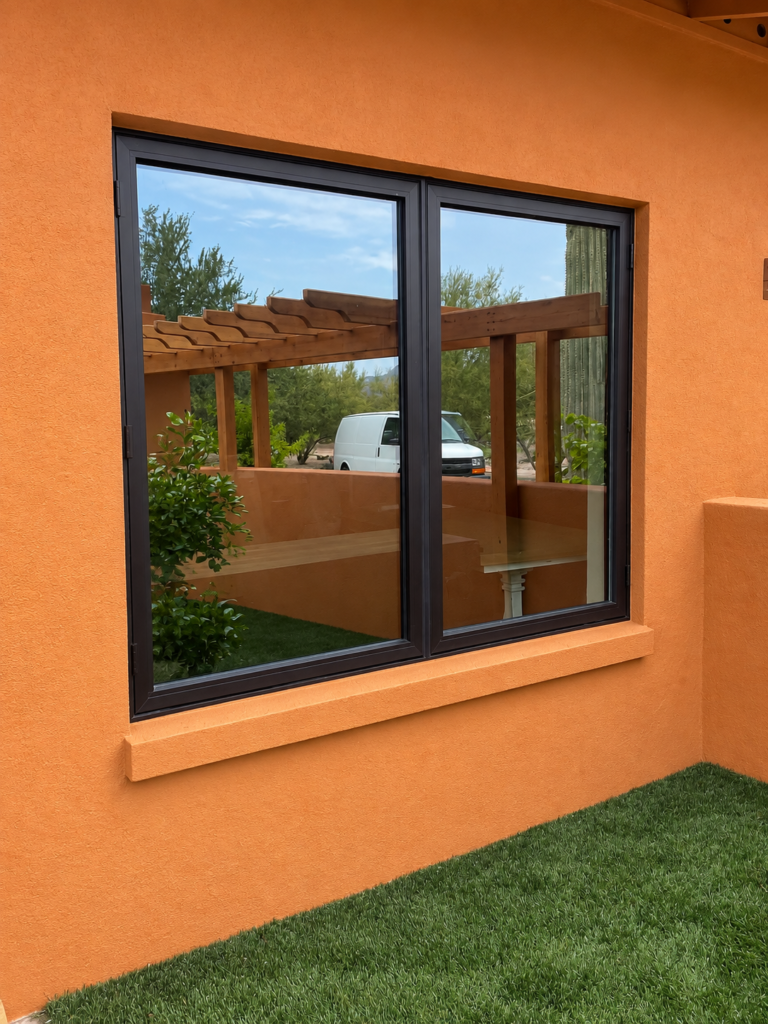
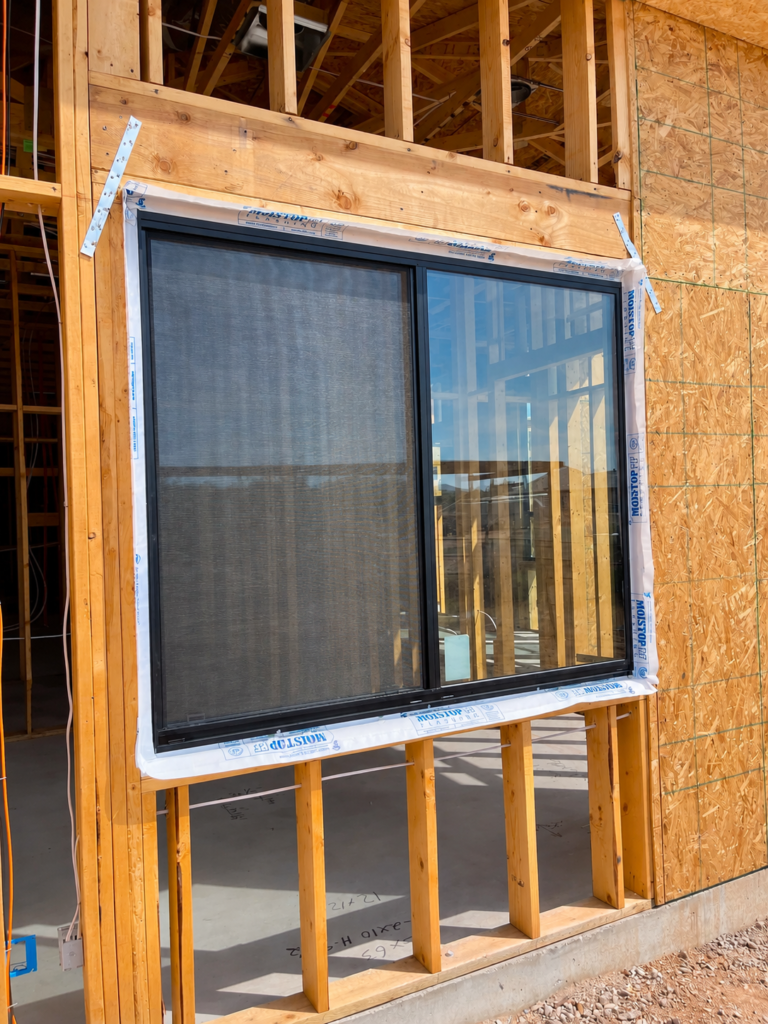
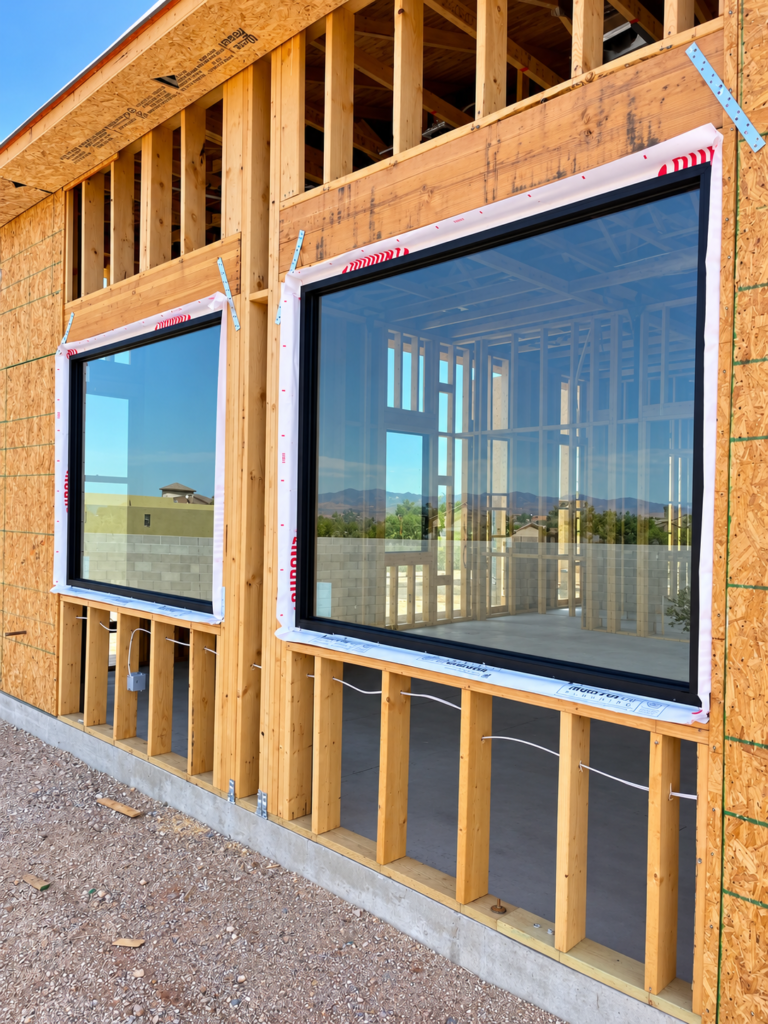
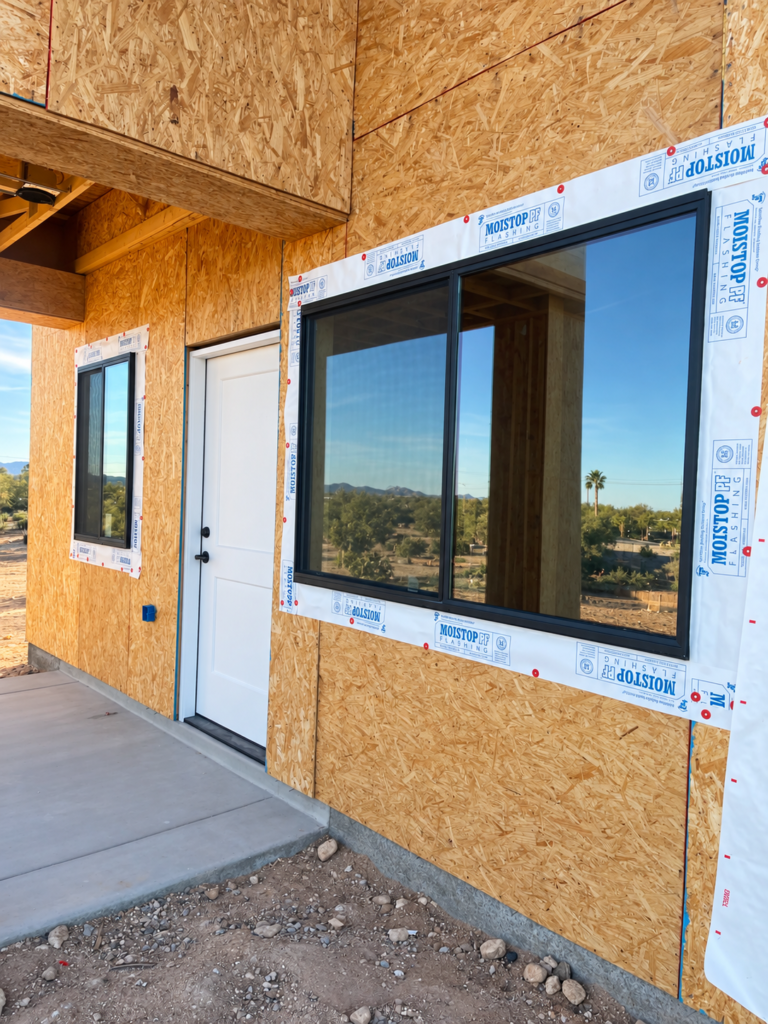
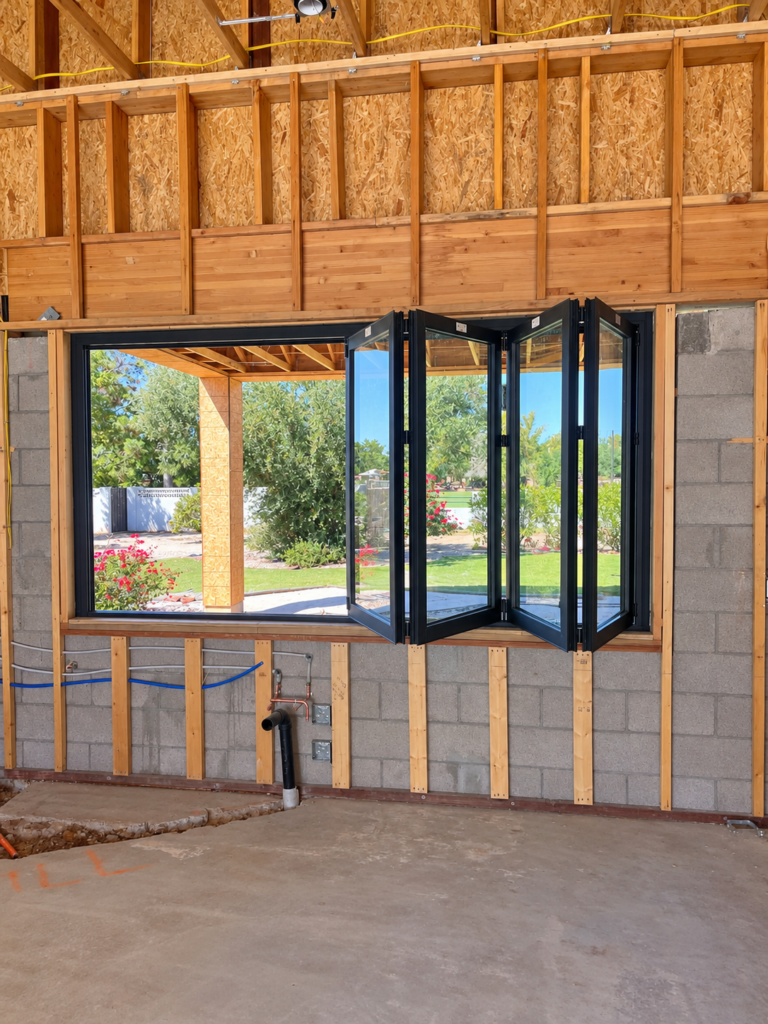
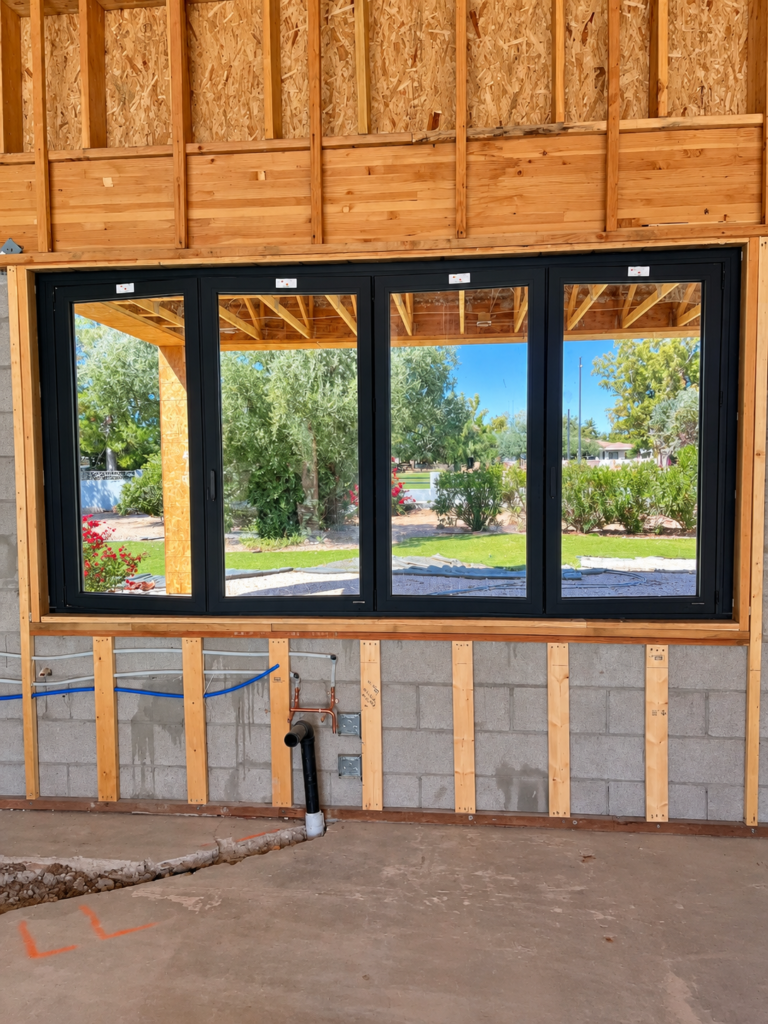
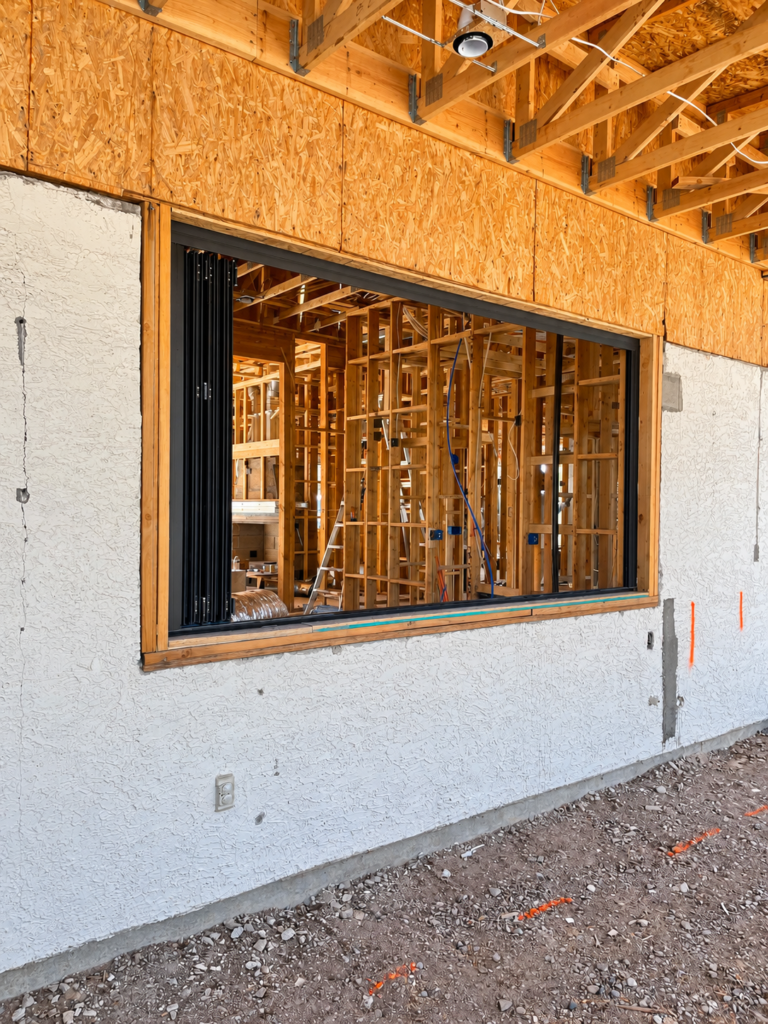
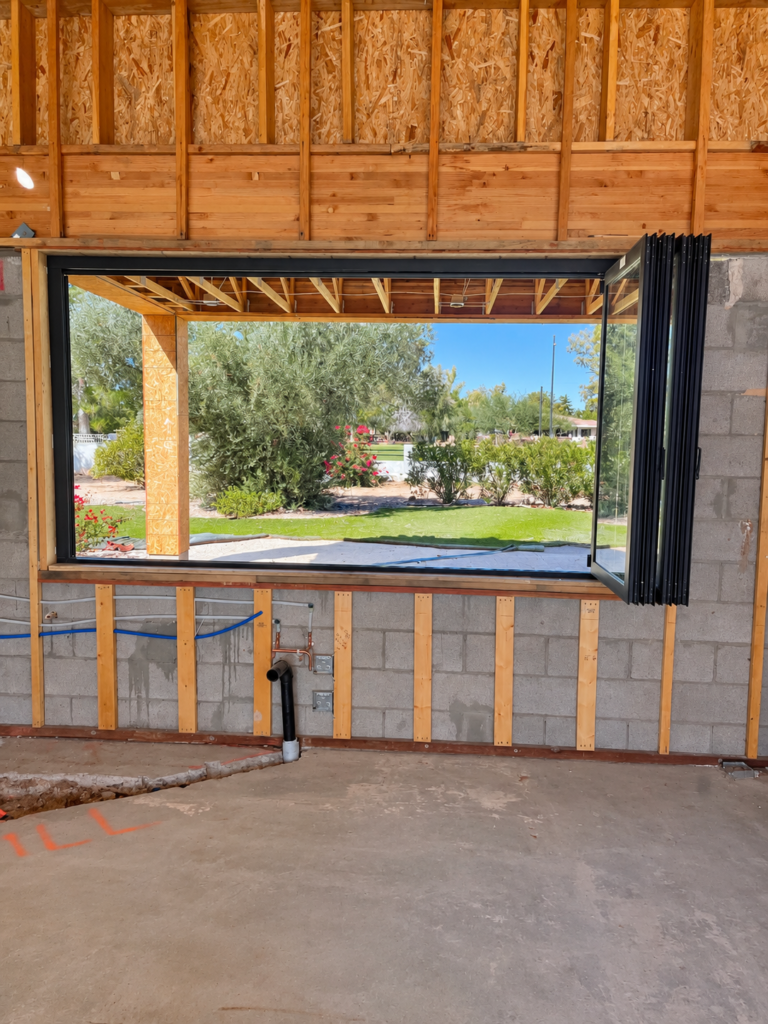
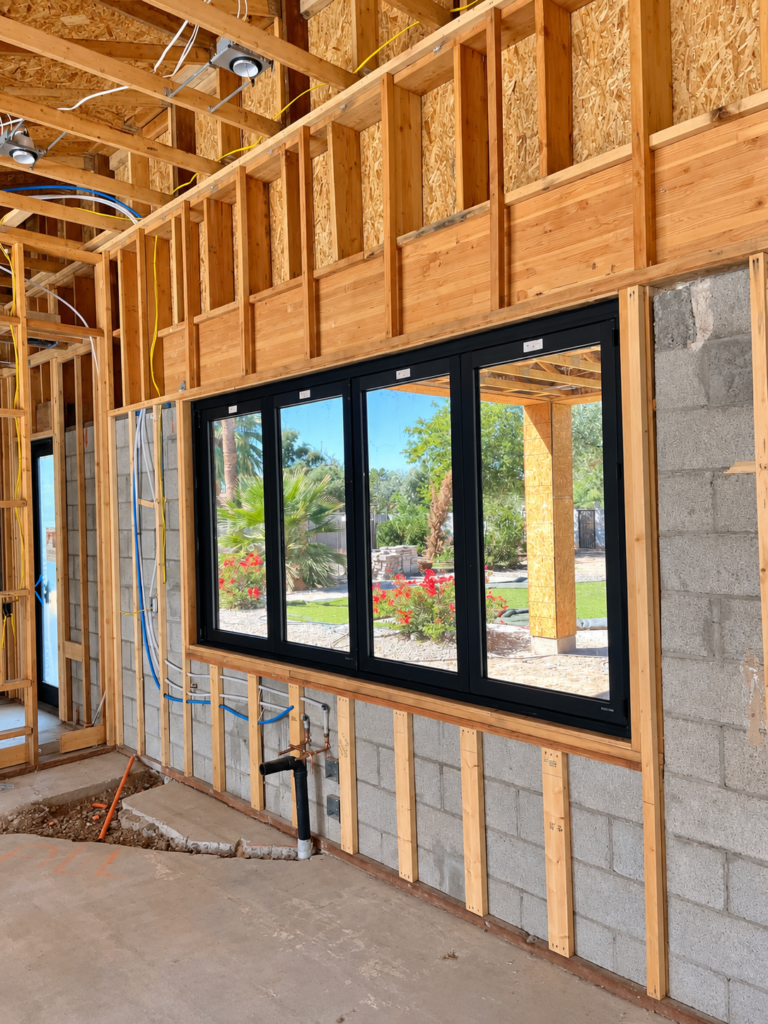
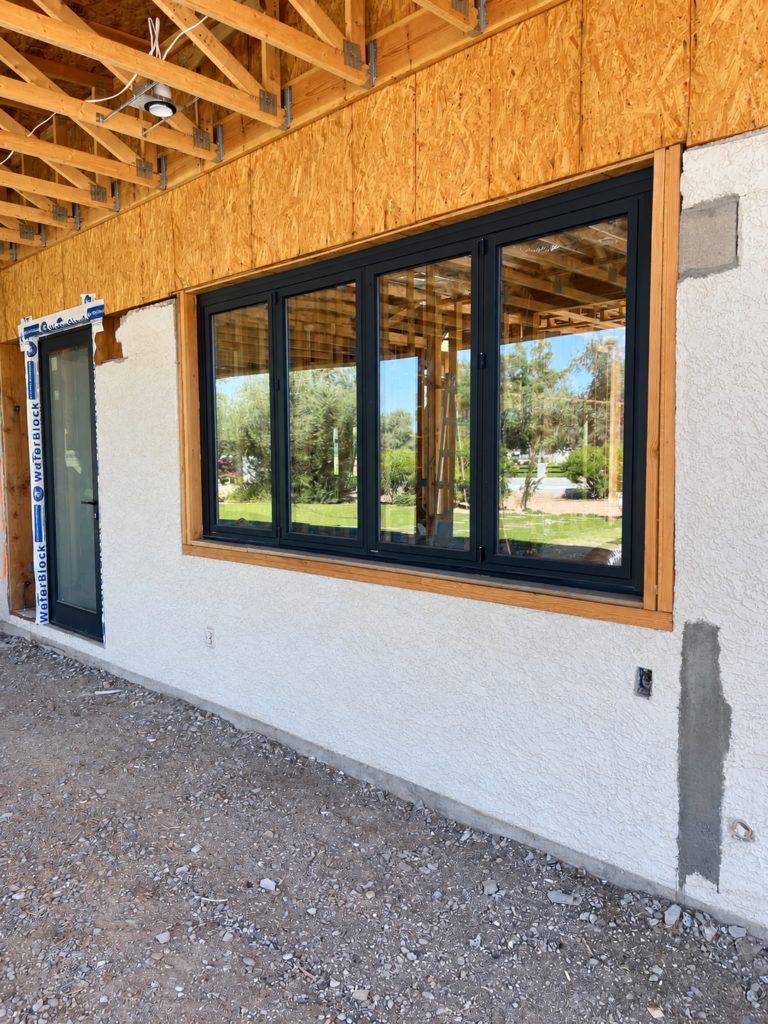
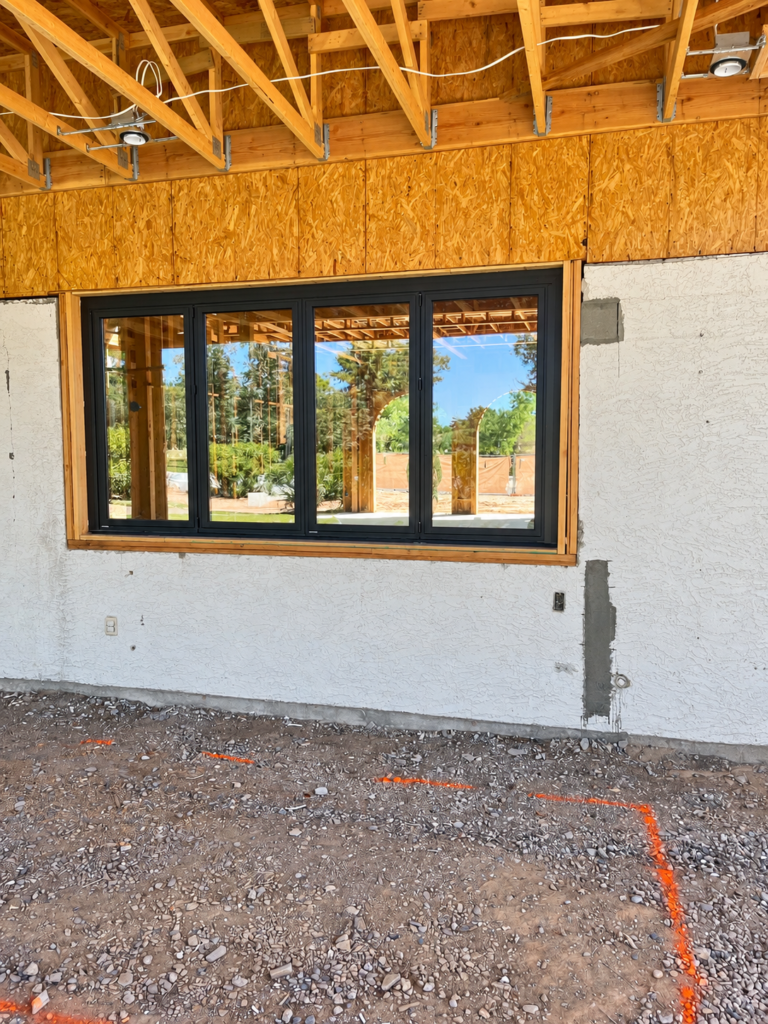
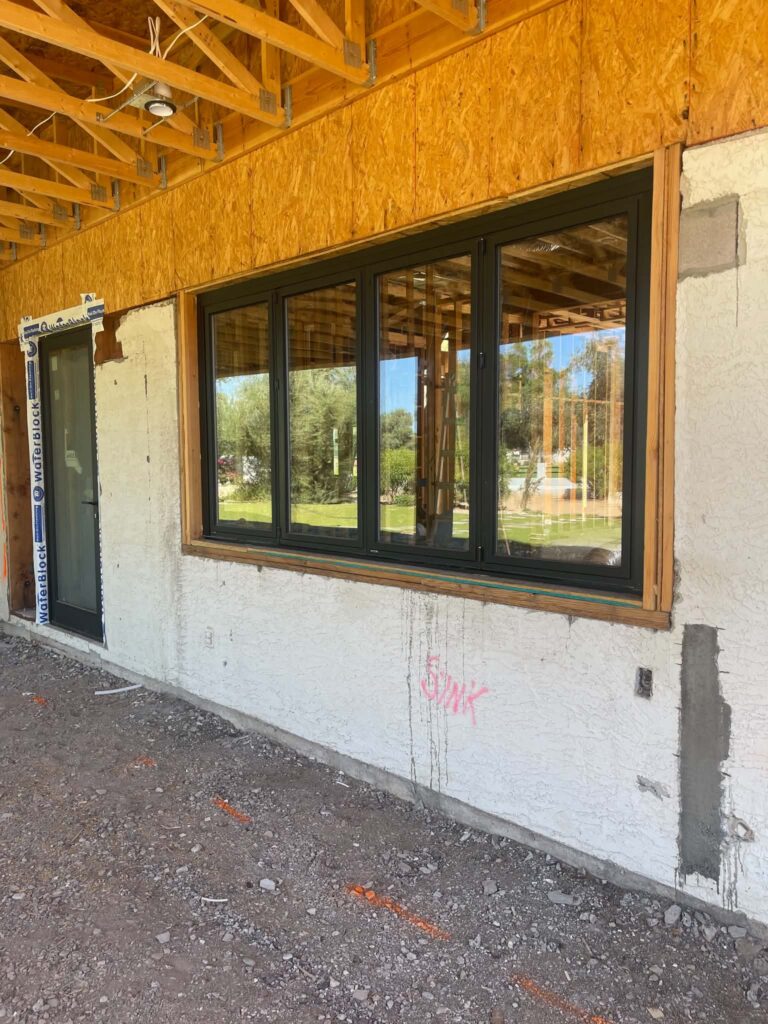
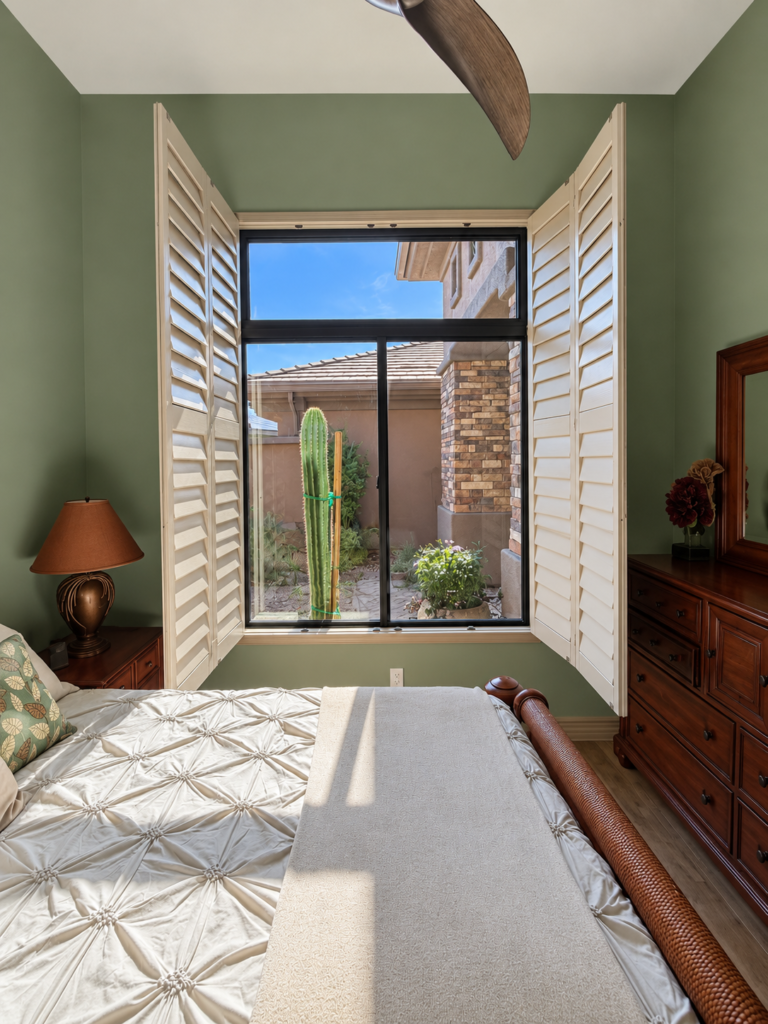
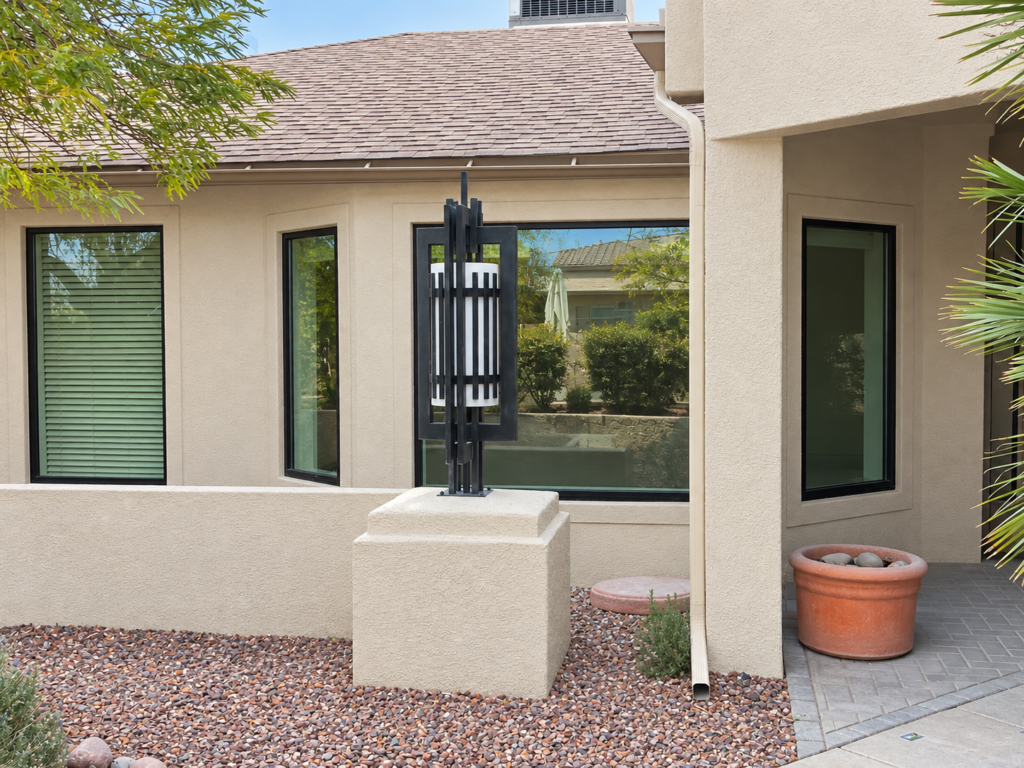
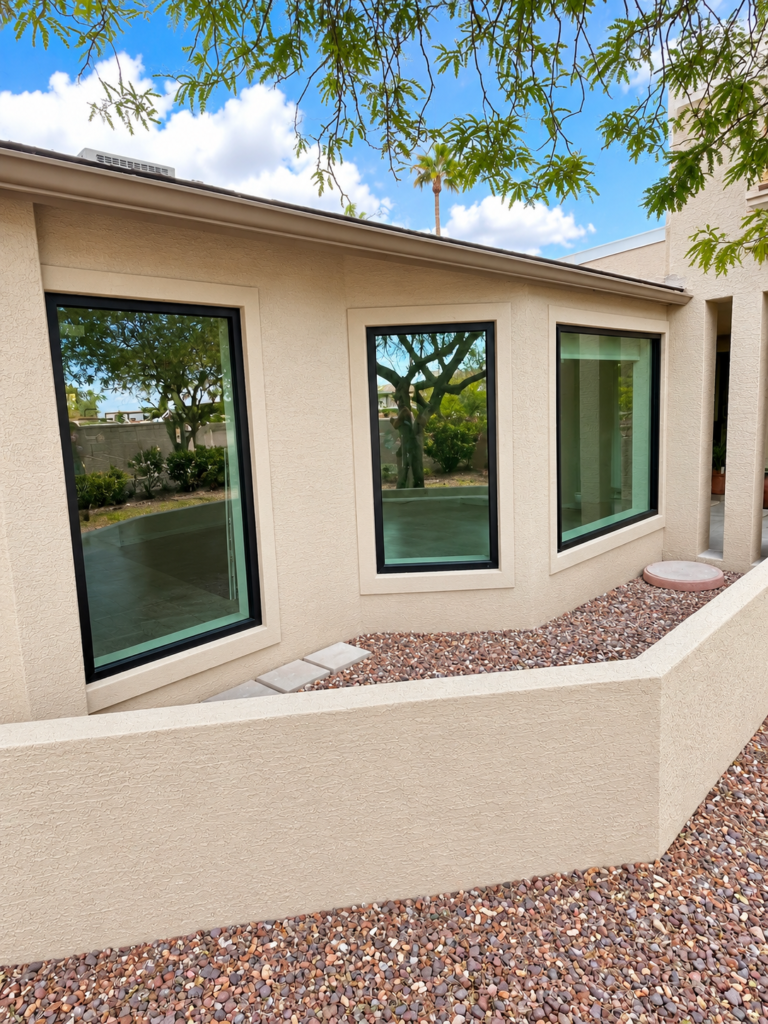
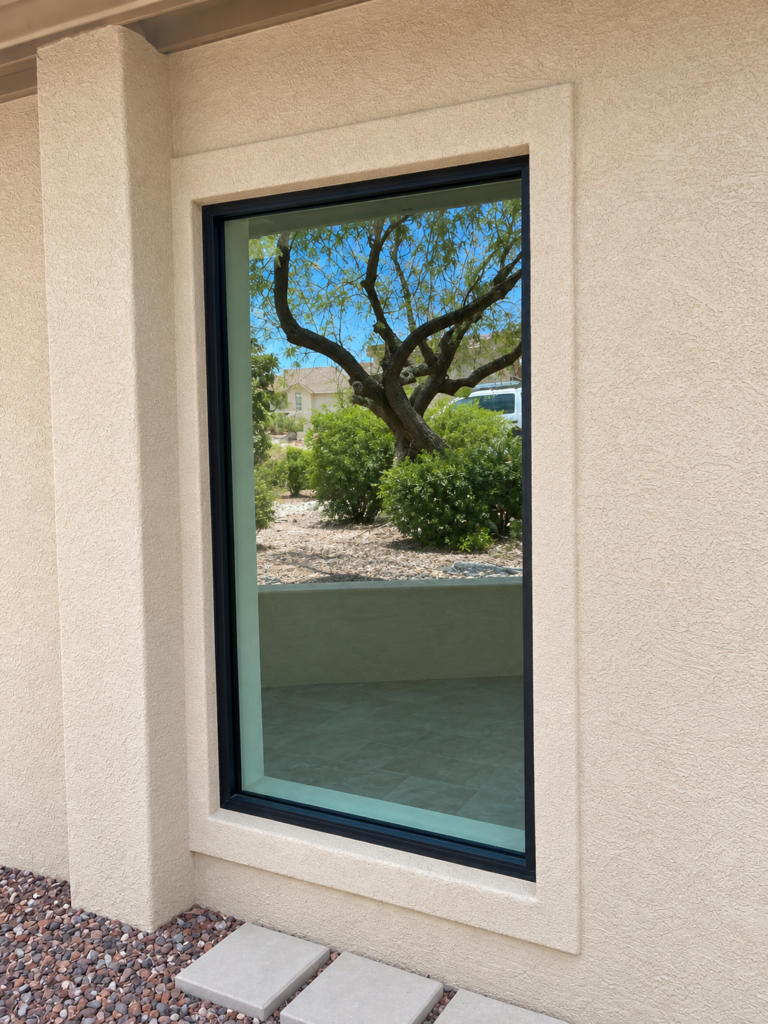
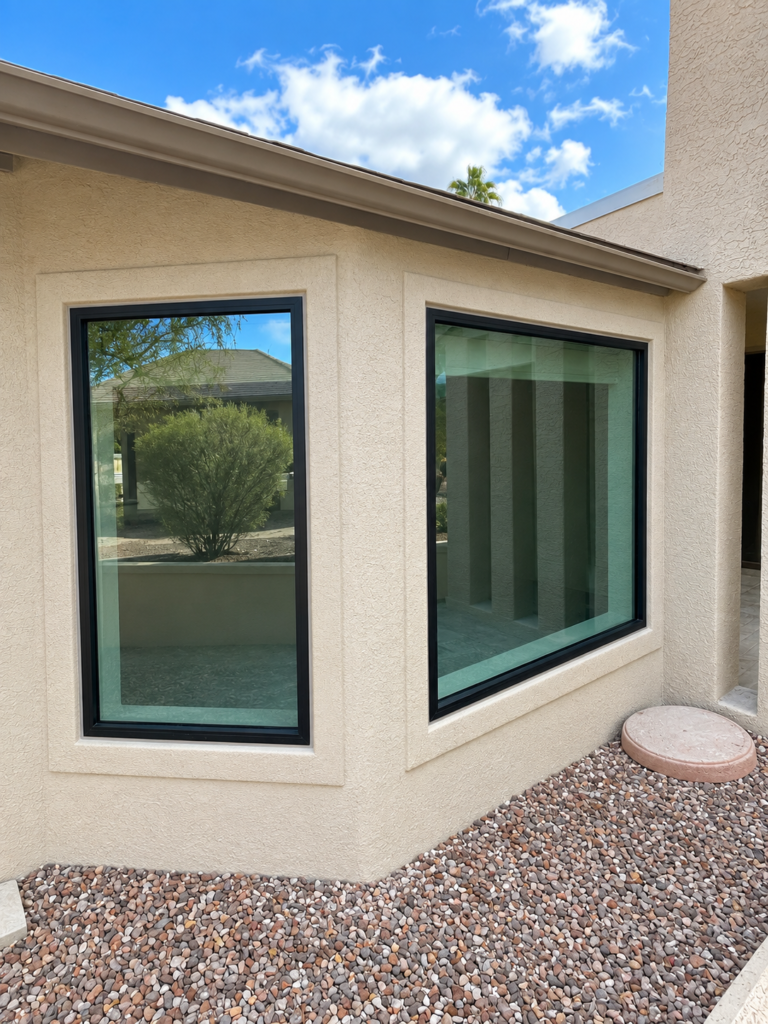
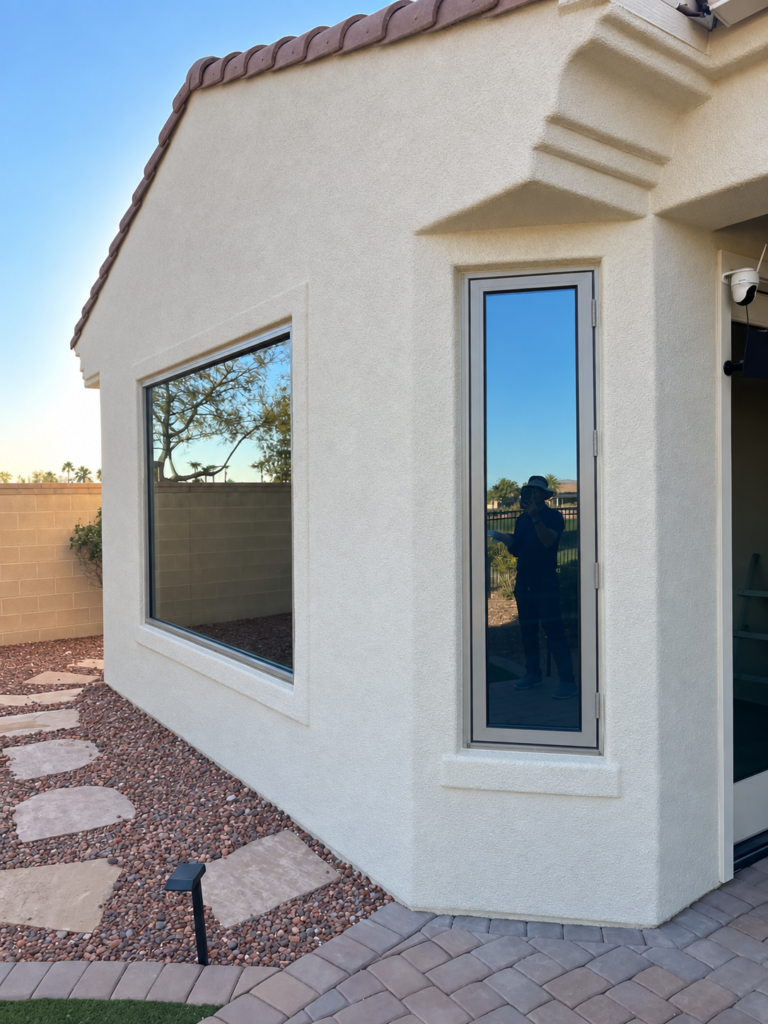
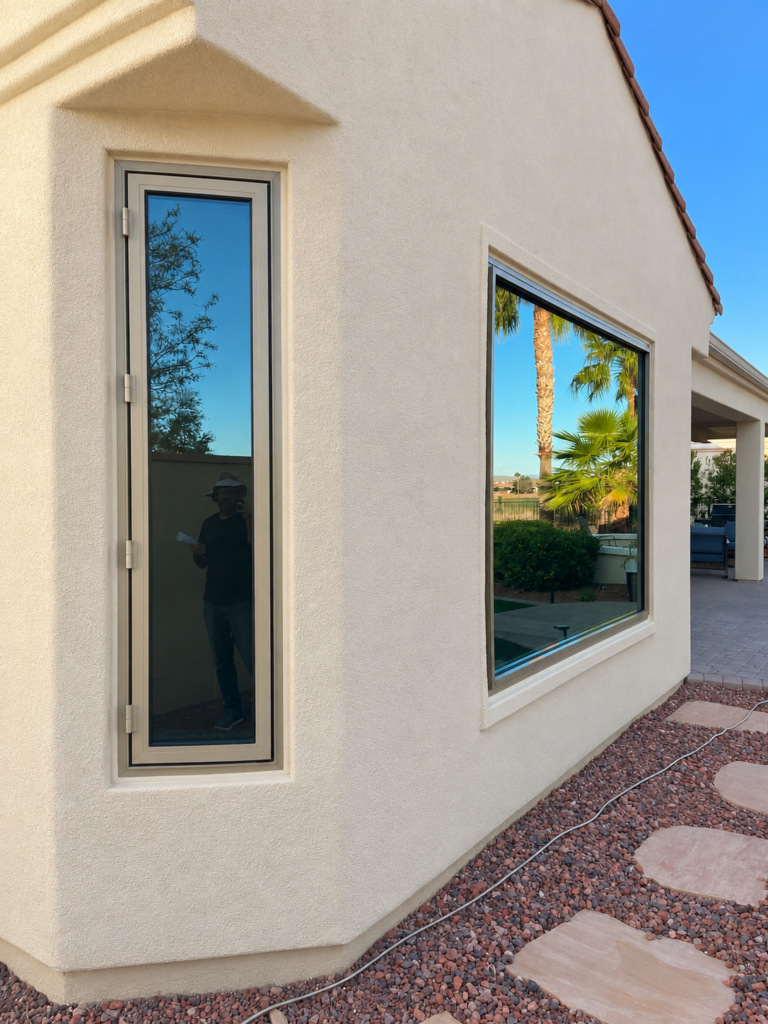
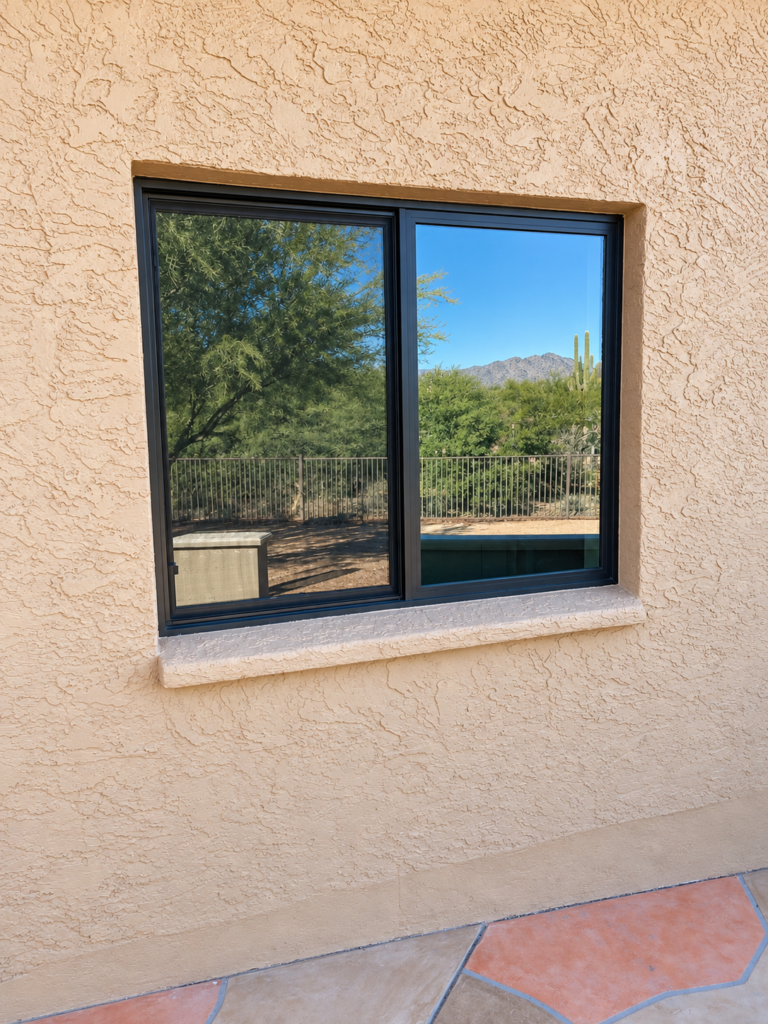
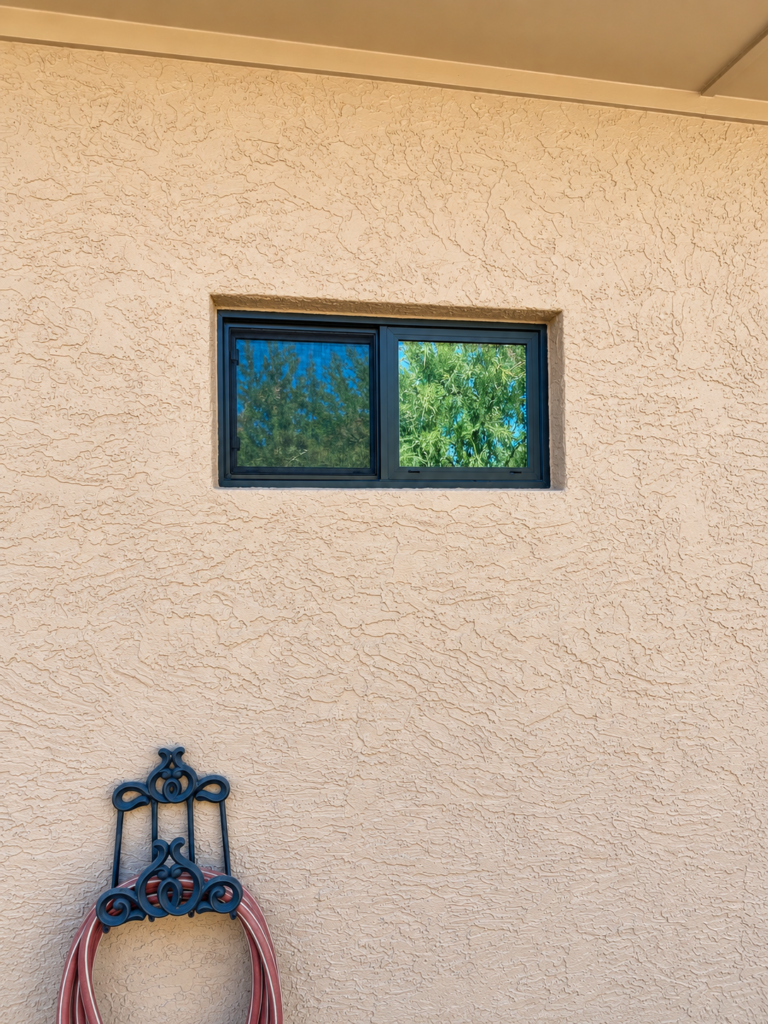
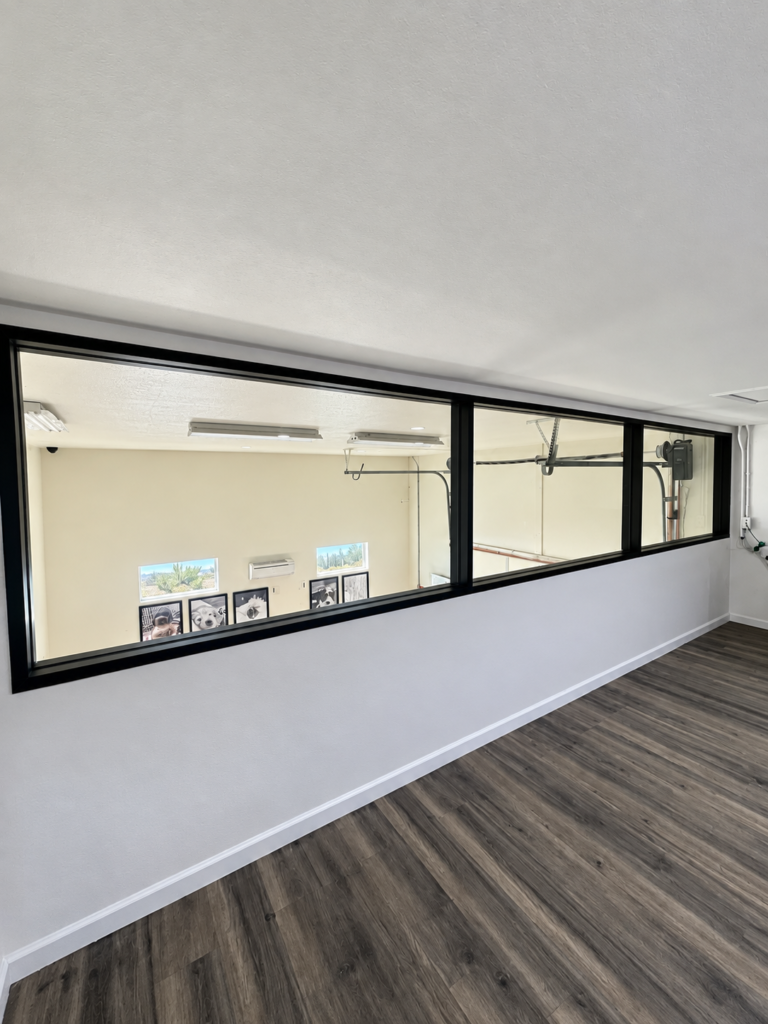
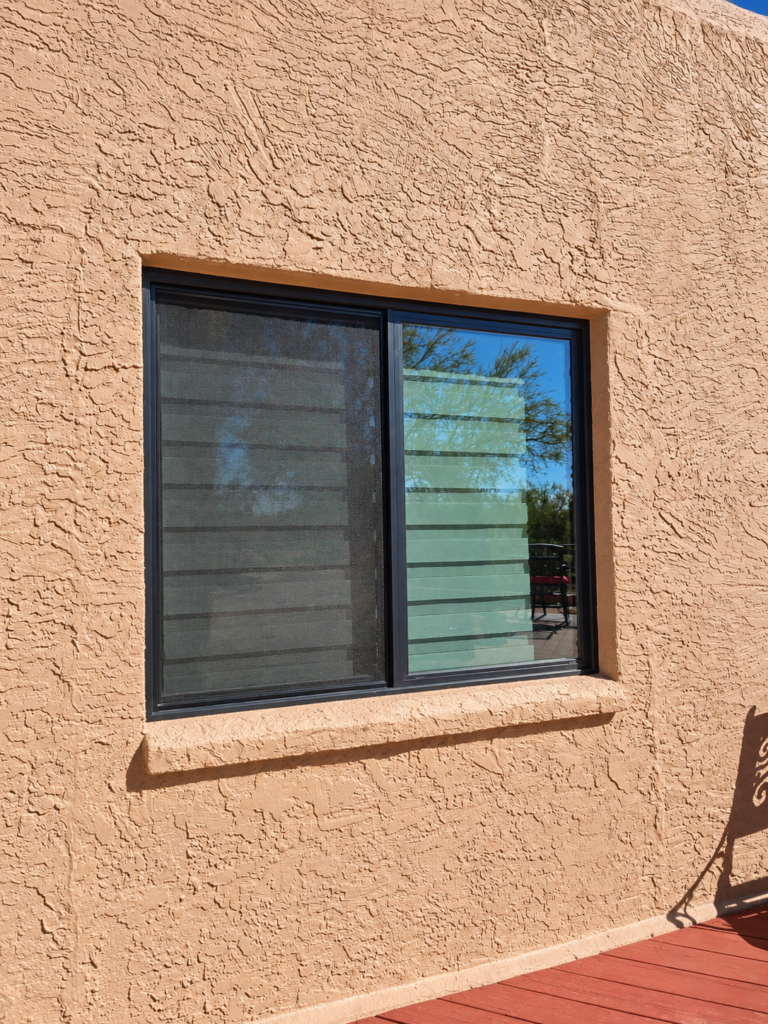
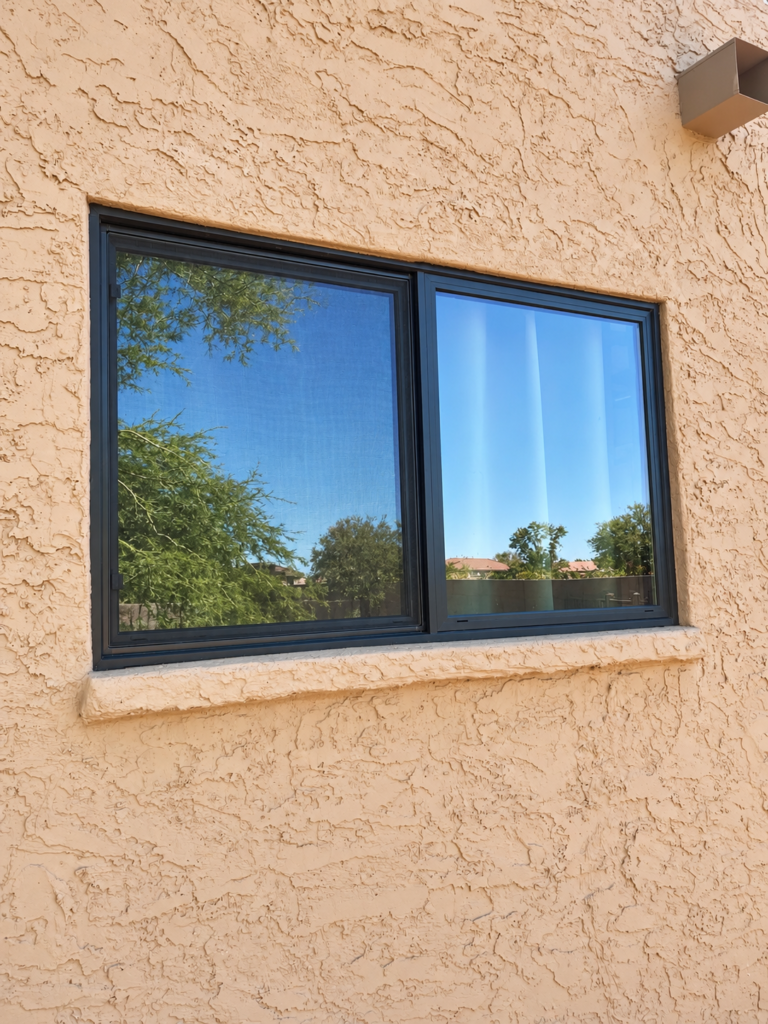
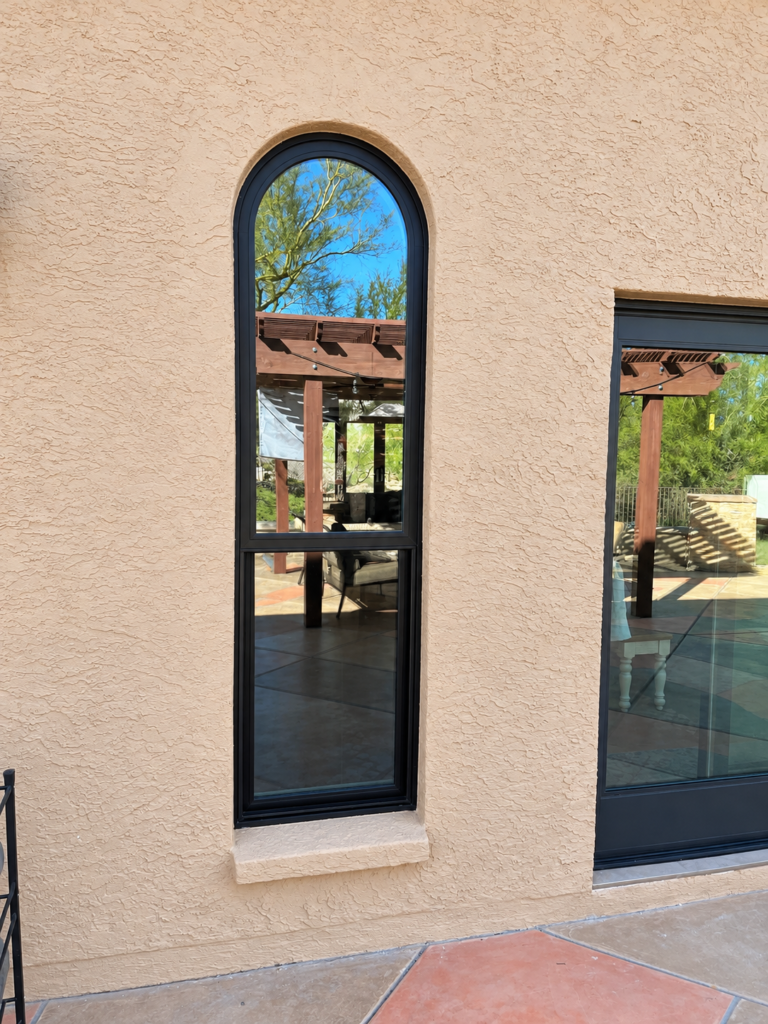
Aluminum windows are strong, durable, and well suited for contemporary architecture. Their strength allows manufacturers to create slimmer frames and larger glass areas. However, aluminum naturally conducts heat much more readily than vinyl, wood, or fiberglass. For Arizona applications, thermally broken aluminum frames are preferable when energy efficiency is a priority.
Advantages: Strong construction, slim sightlines, low maintenance, modern appearance, and excellent suitability for large window openings.
Considerations: Standard aluminum frames can transfer significant heat. Look for thermally improved frames combined with high-performance Low-E glass.
Vinyl Windows
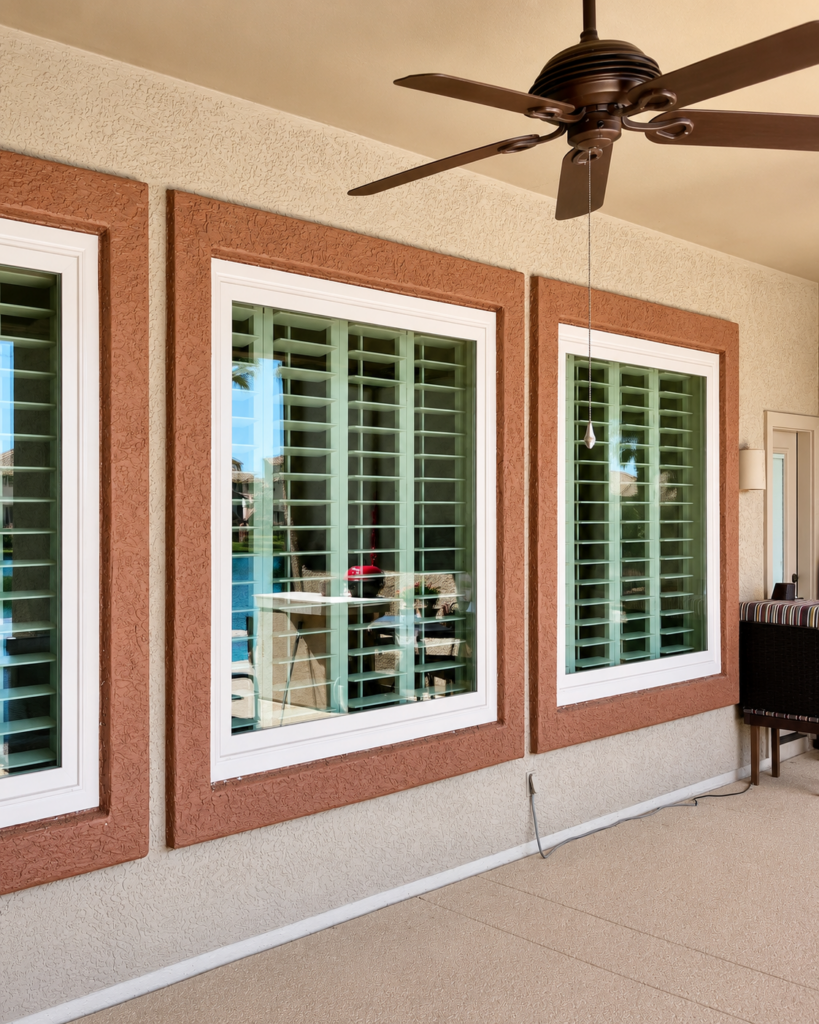
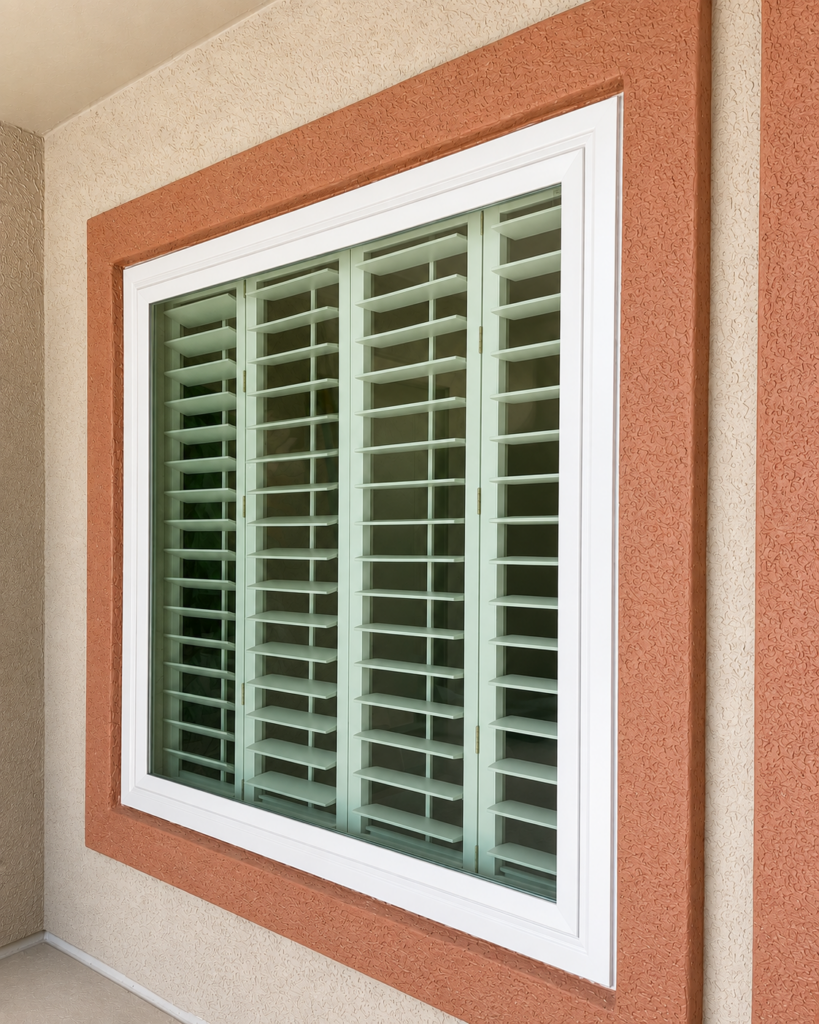
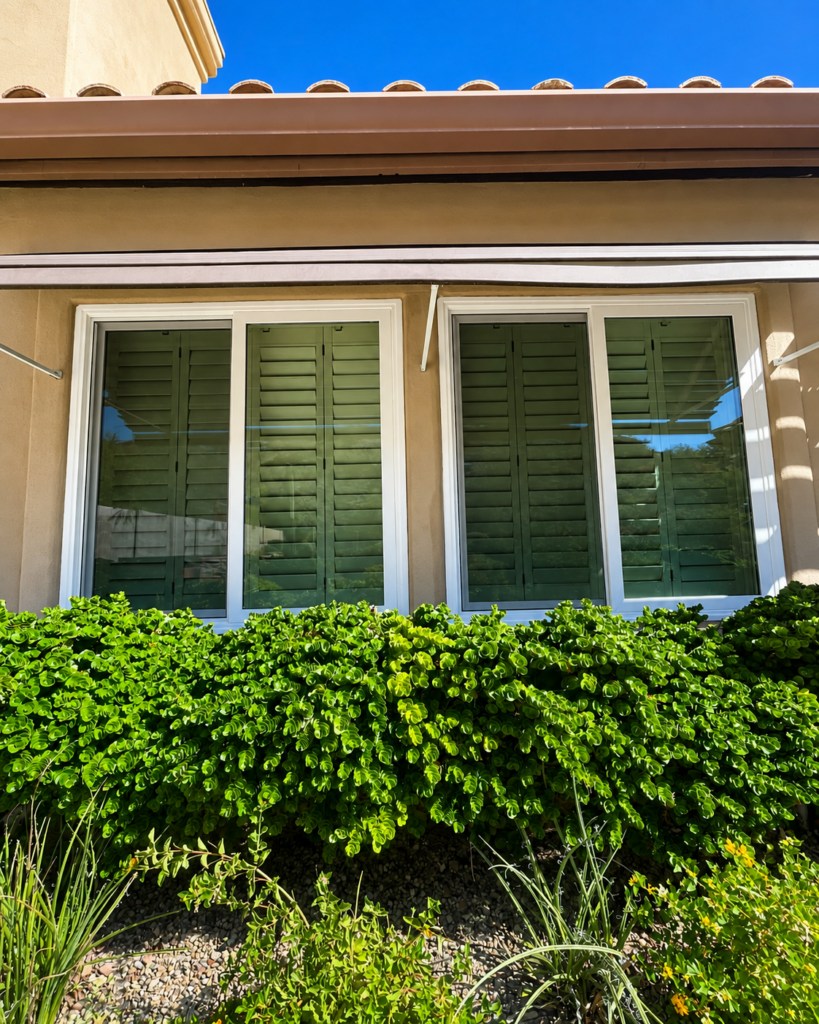
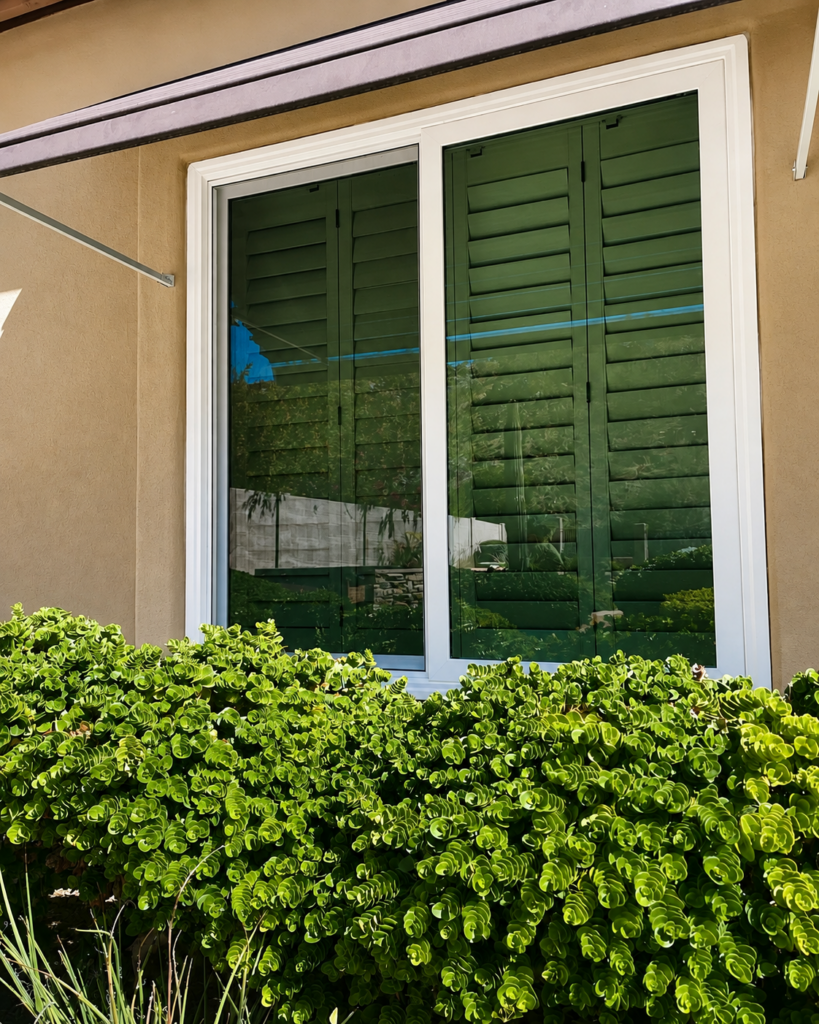
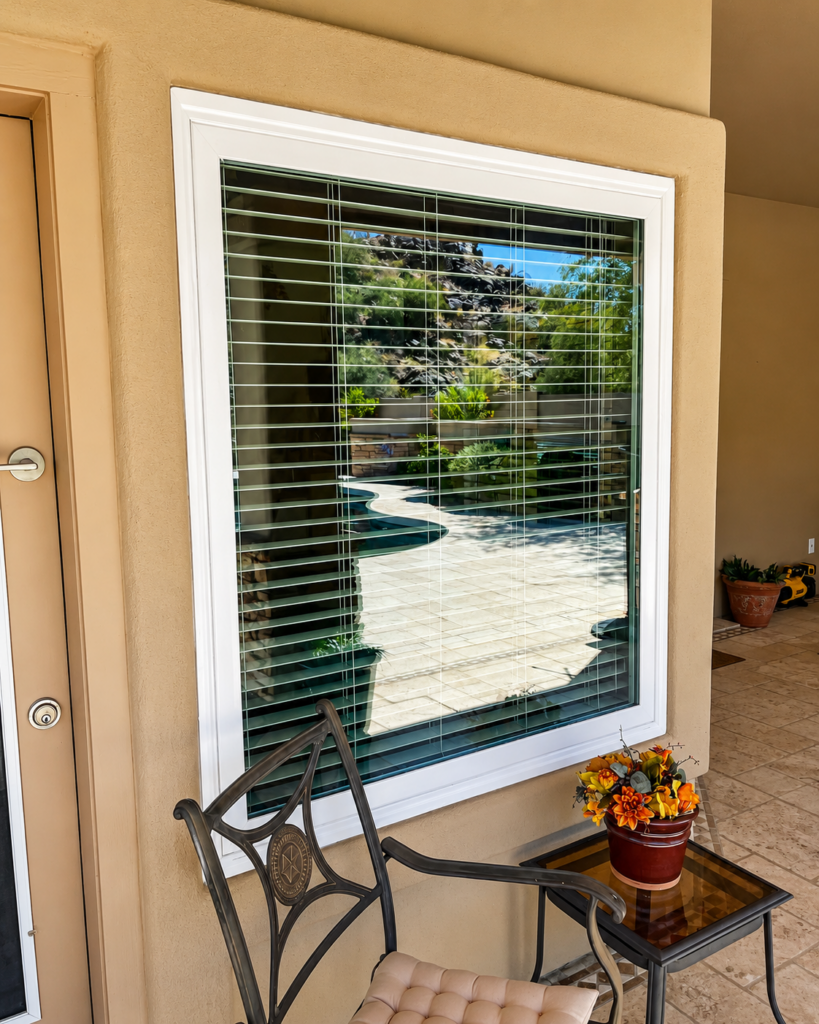
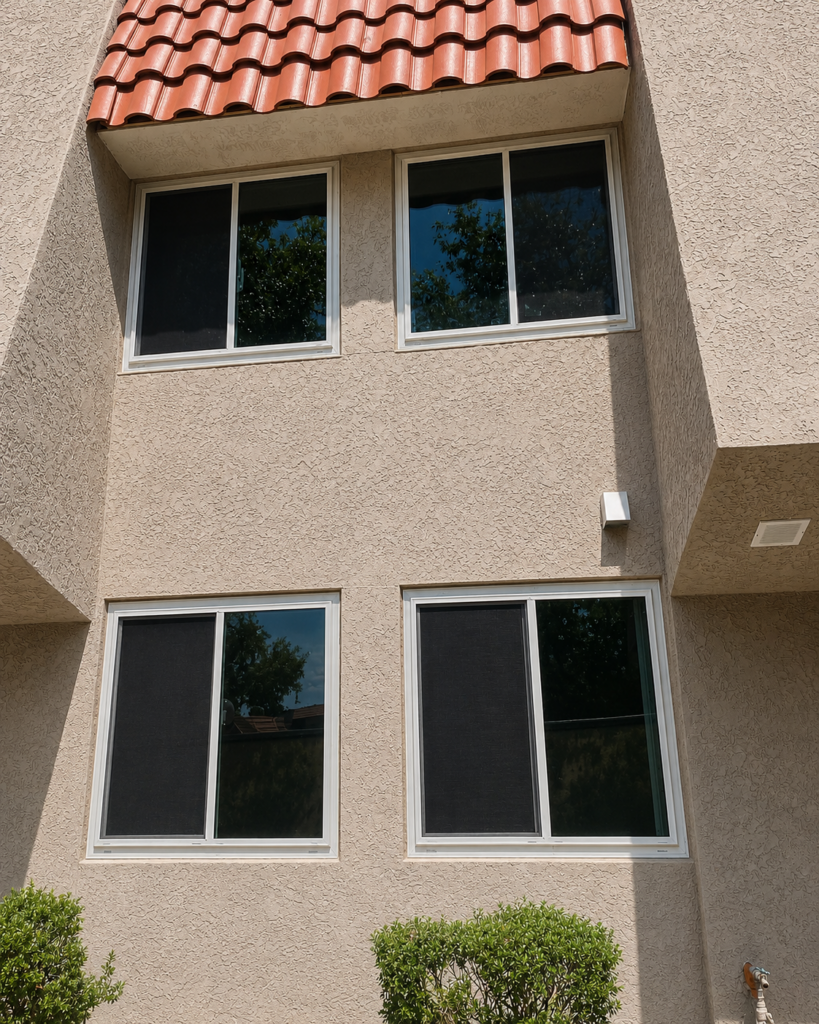
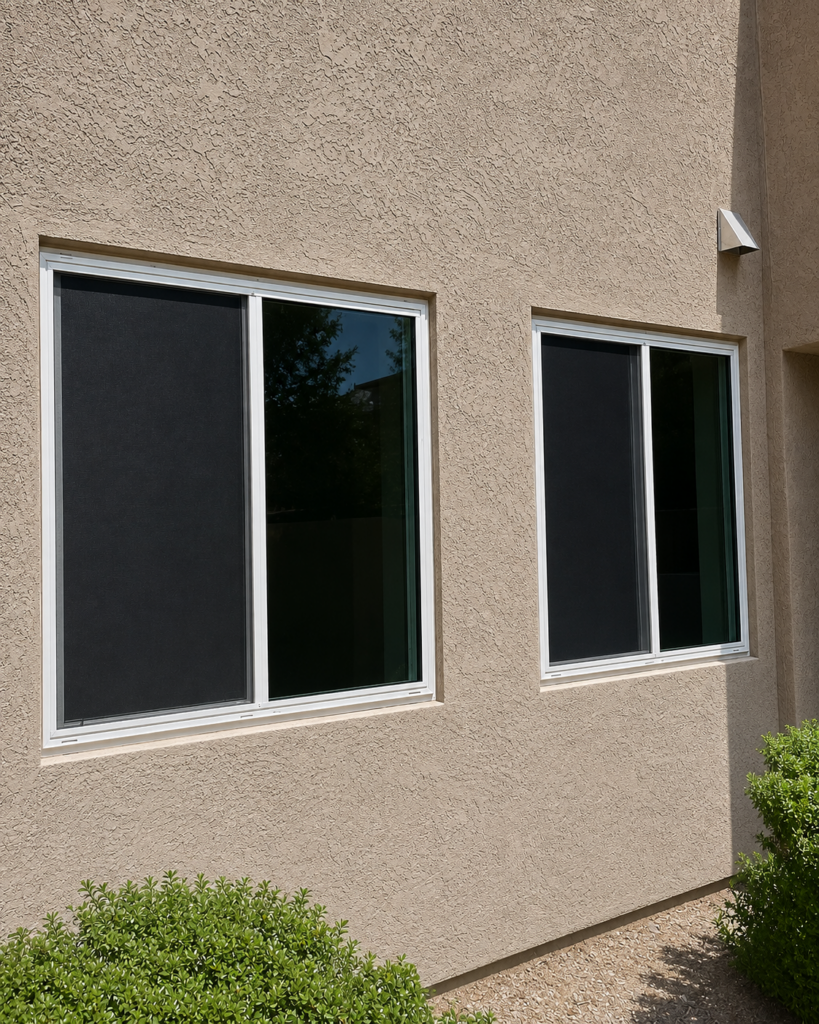
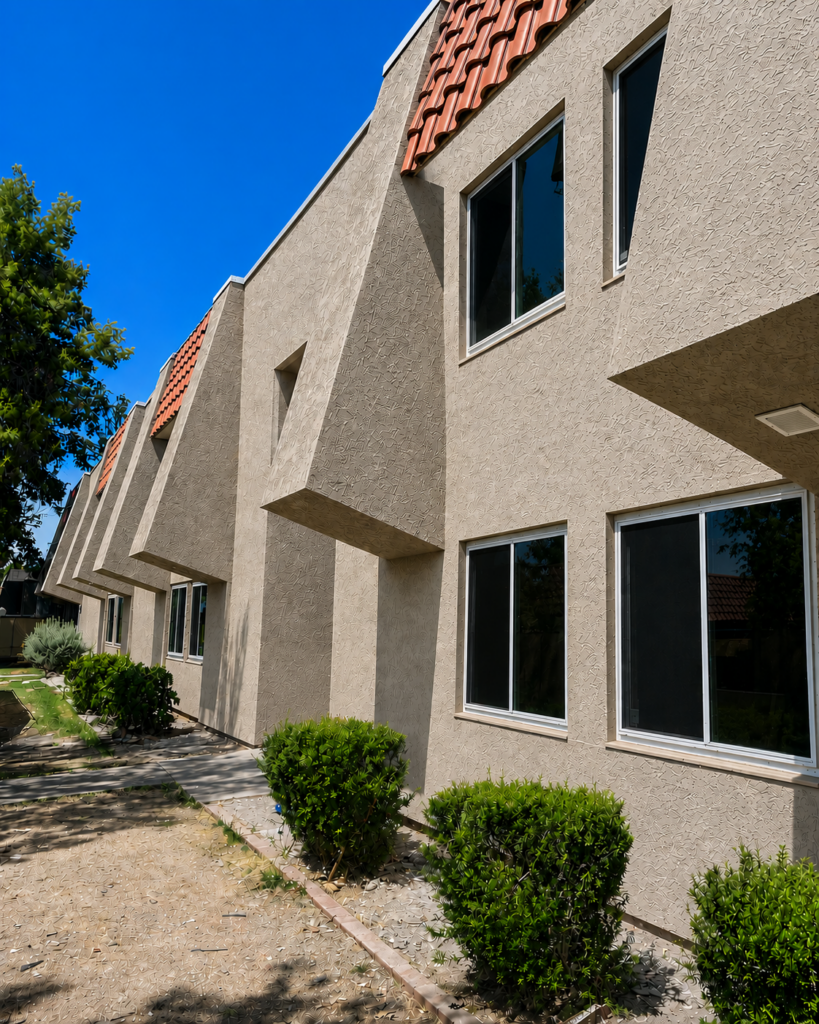
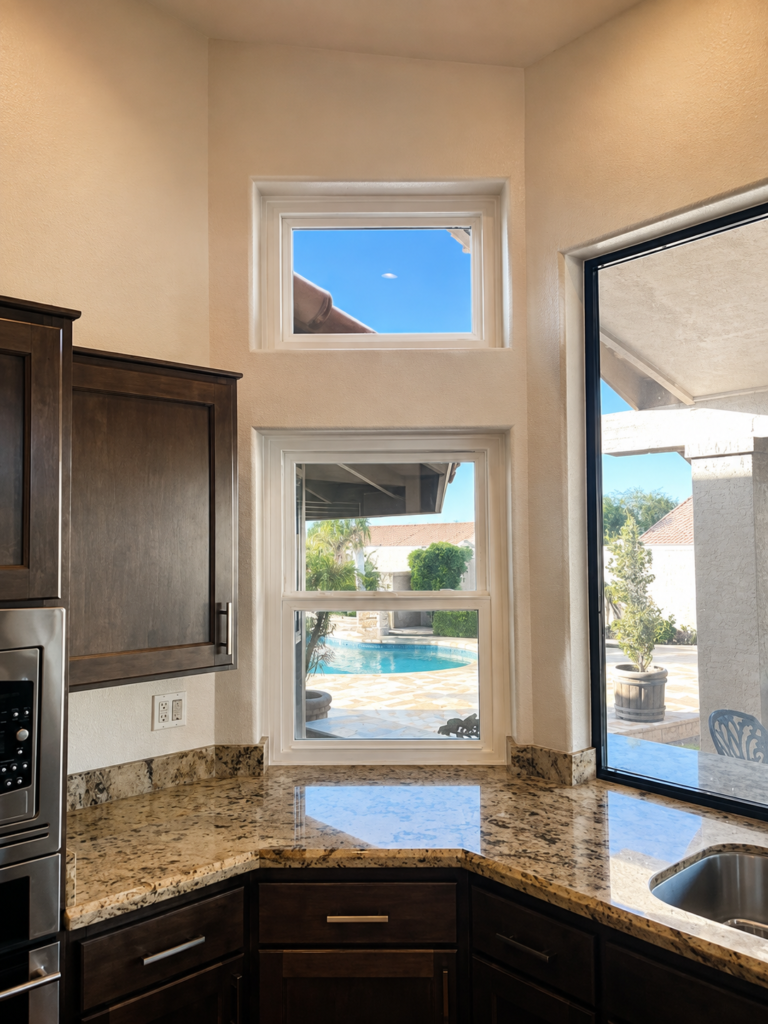
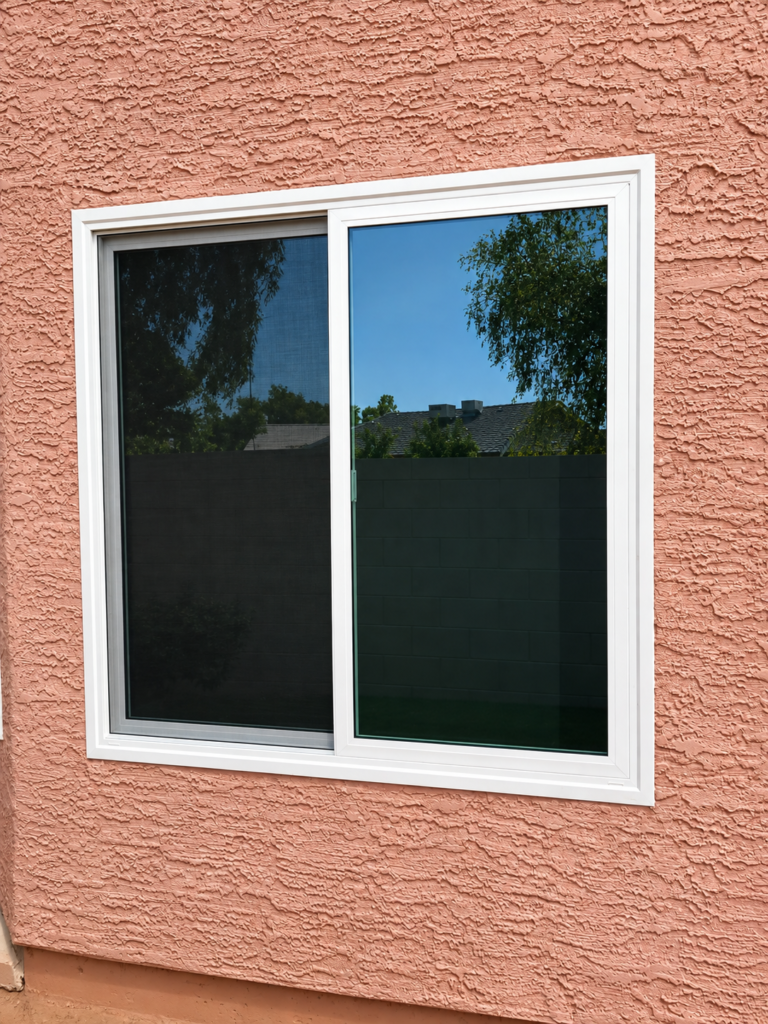
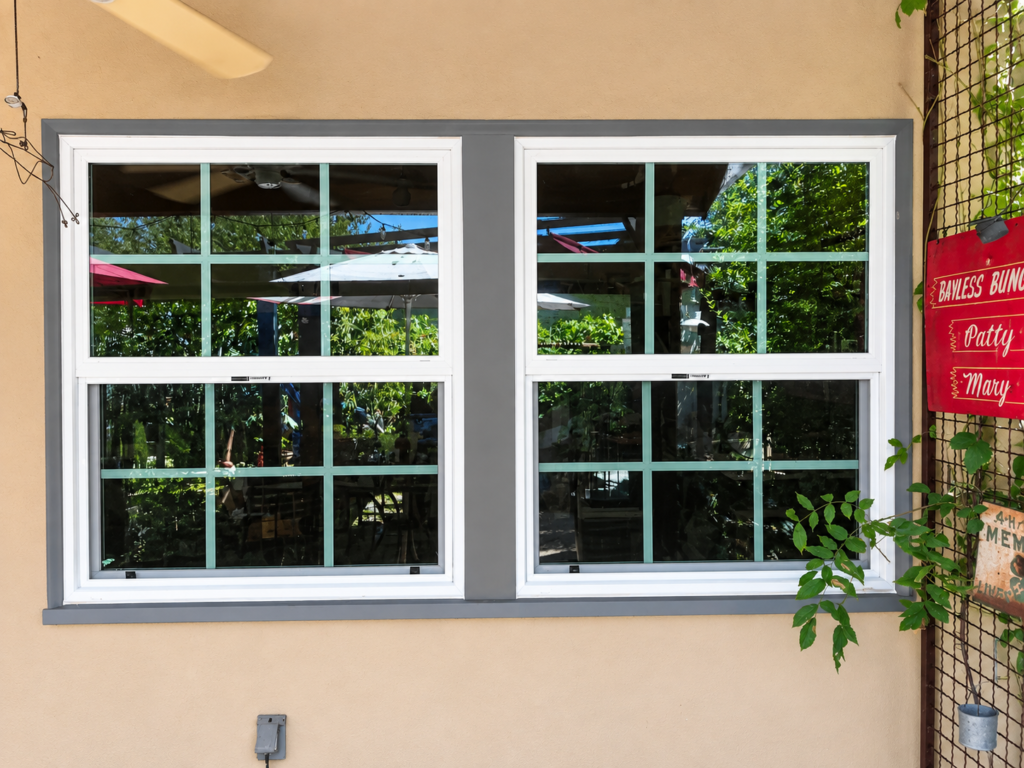
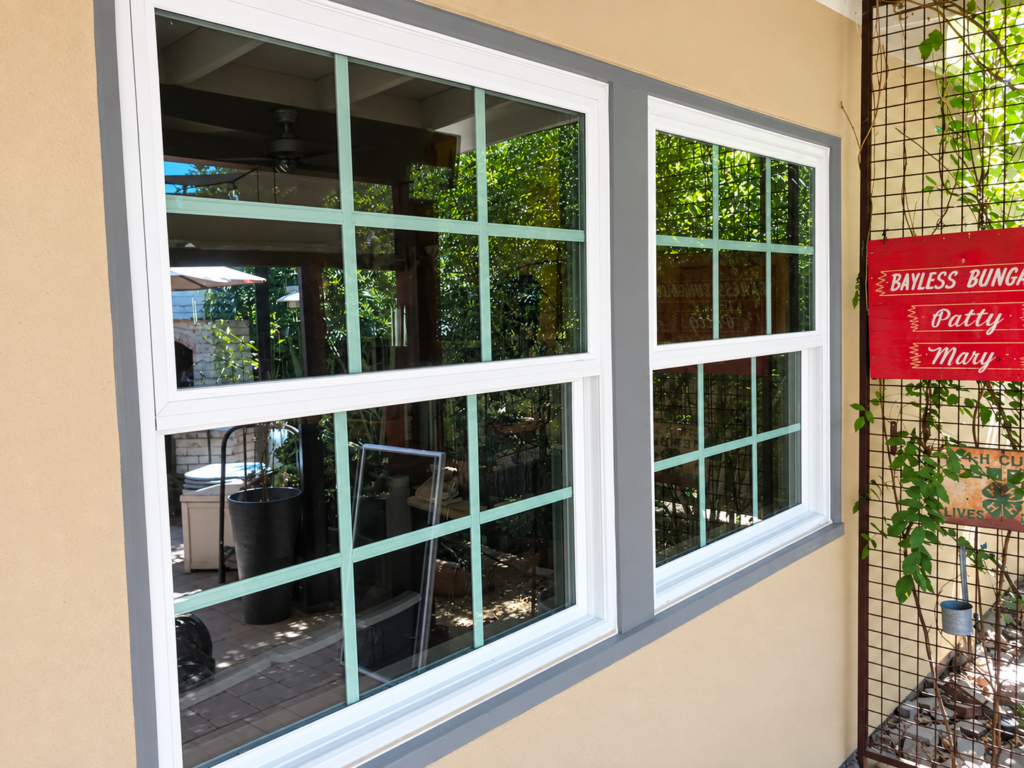
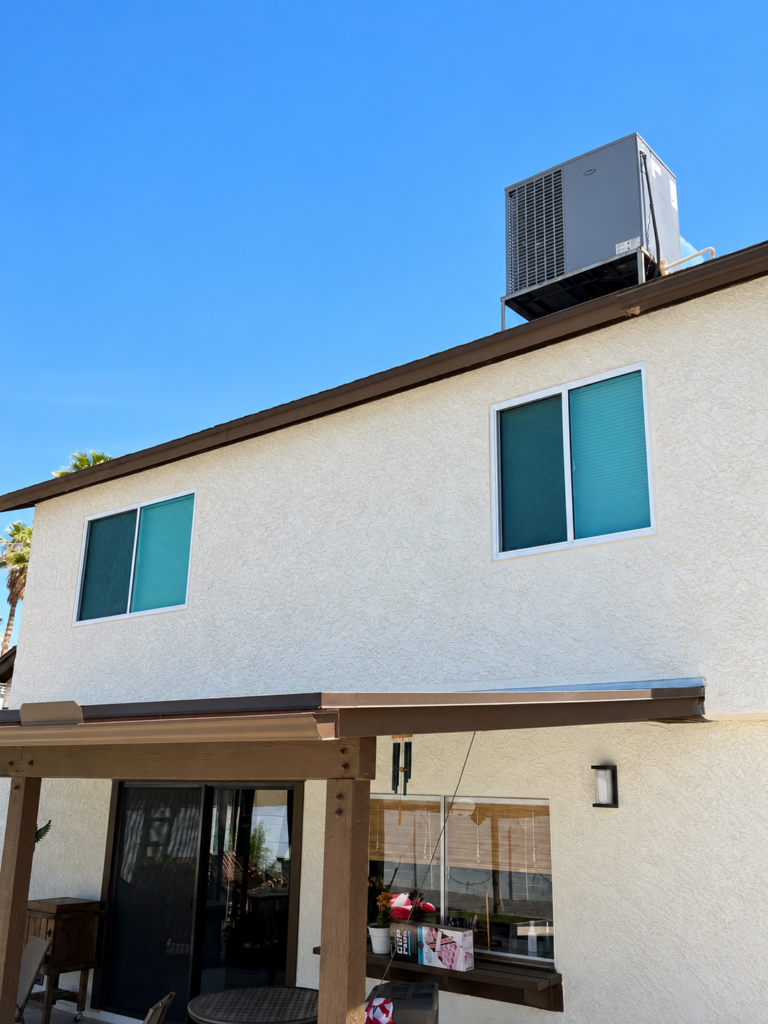
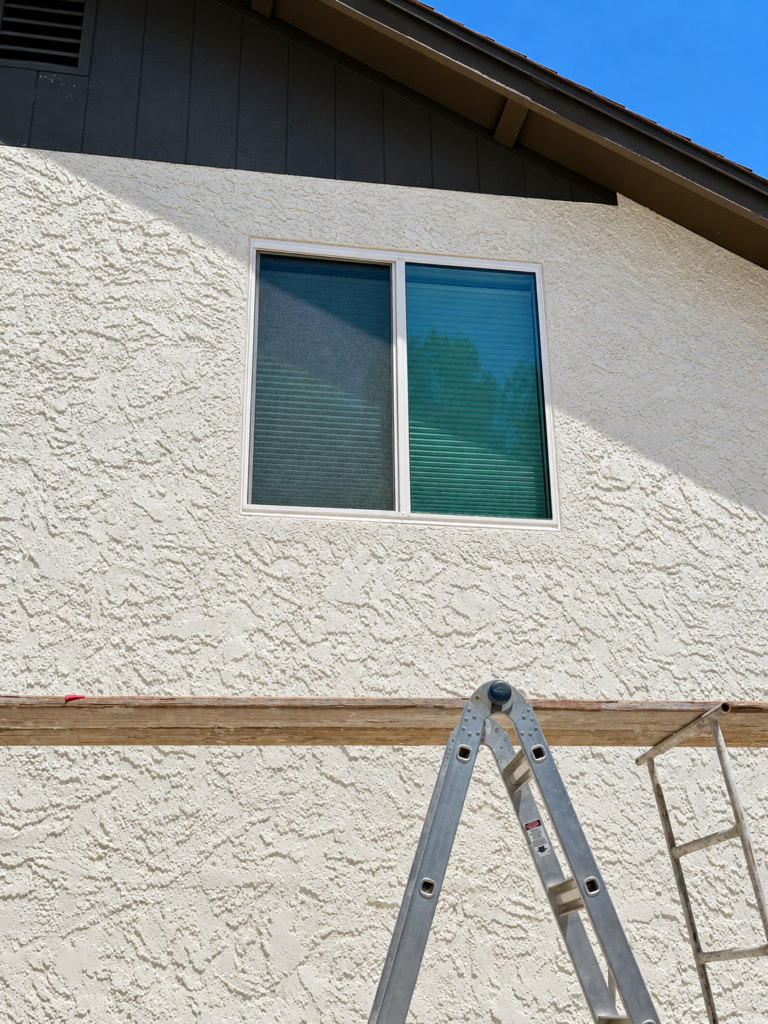
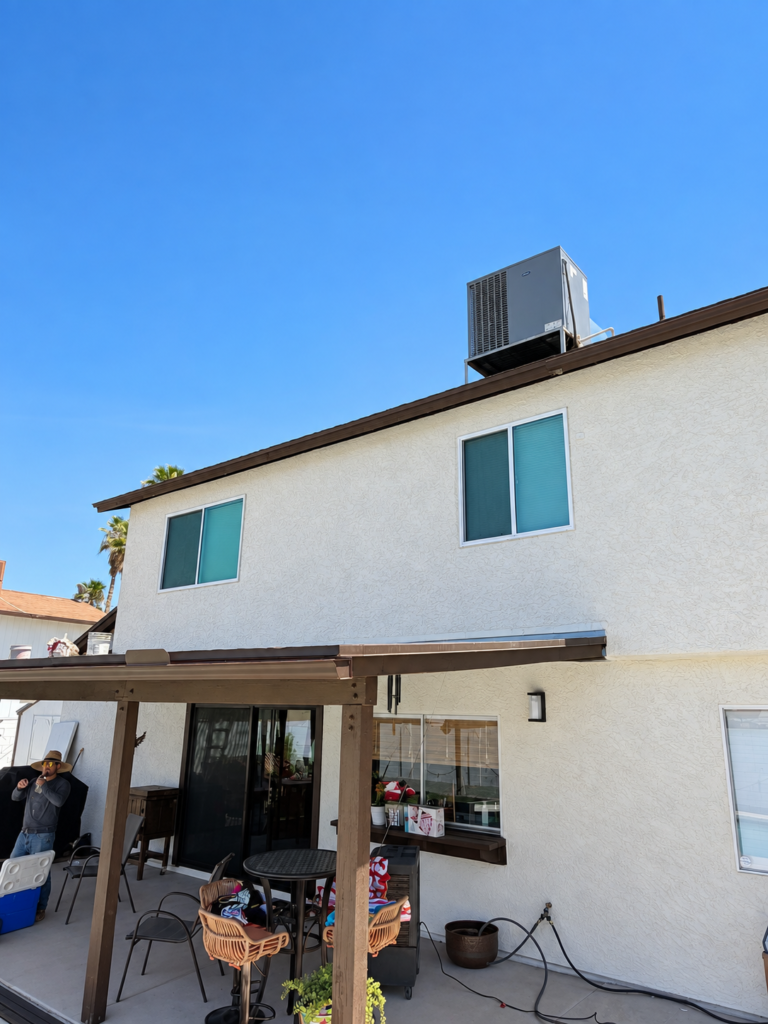
Vinyl is a popular option for Arizona residential replacement windows because it combines good thermal insulation with low maintenance and competitive pricing. Vinyl does not require painting and has good moisture resistance. Insulated multi-chamber designs can further improve thermal performance.
Advantages: Energy efficient, affordable, low maintenance, moisture resistant, and available in many common residential configurations.
Considerations: Quality matters in Arizona’s extreme heat and UV exposure. Higher-quality, UV-stabilized window systems are preferable to inexpensive vinyl products.
Wood Windows
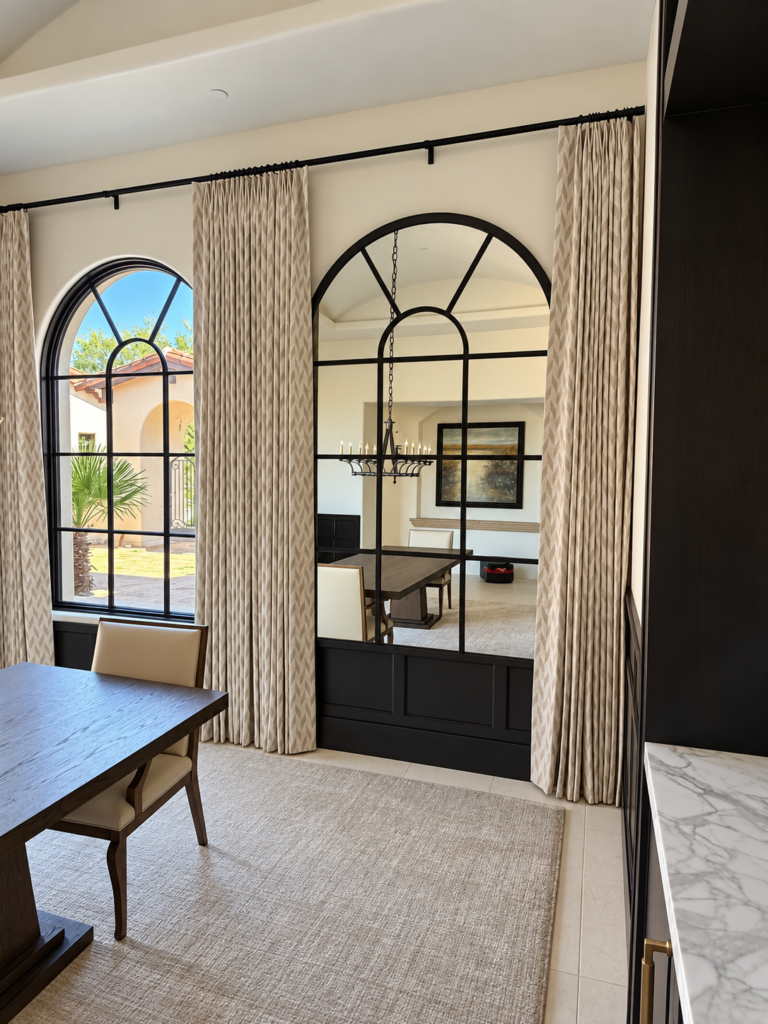
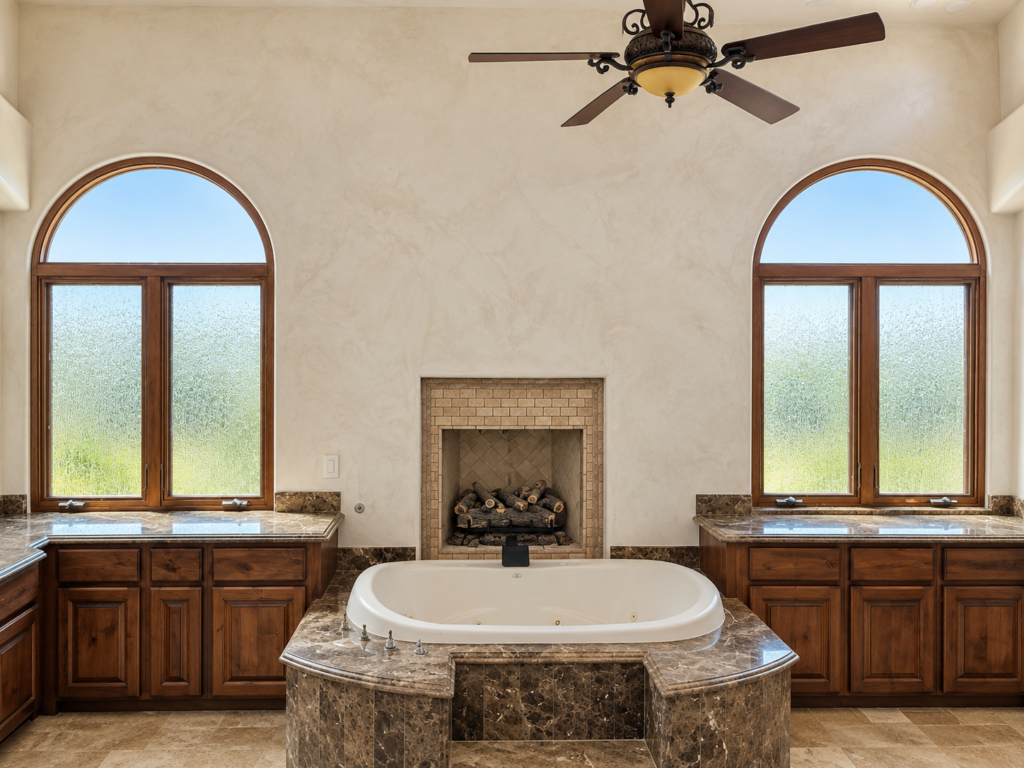
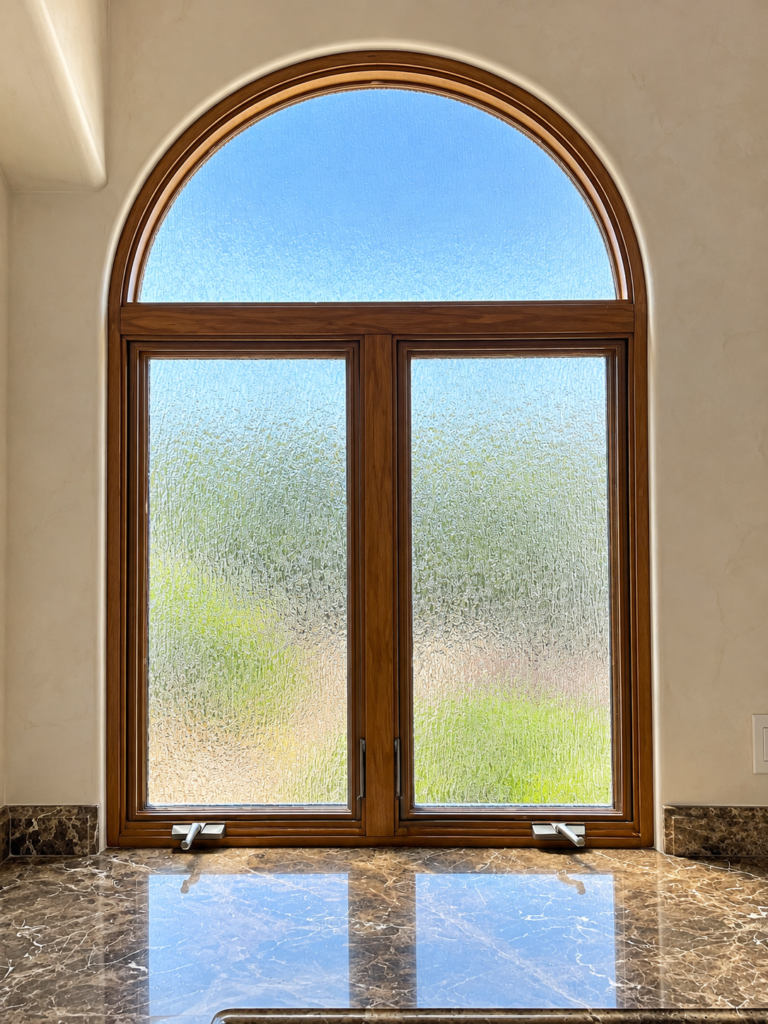
Wood provides natural beauty, warmth, and excellent architectural character. It also offers good insulating properties. Wood windows are particularly attractive for luxury, traditional, Mediterranean, and custom homes where appearance is a major consideration.
Advantages: Premium appearance, natural insulation, customizable finishes, and excellent architectural versatility.
Considerations: Wood requires more maintenance than aluminum, vinyl, or fiberglass. In Arizona, exterior-clad wood windows can help protect the wood from weather exposure while maintaining the appearance of natural wood on the interior.
Fiberglass Windows
Fiberglass combines strength, durability, low maintenance, and strong thermal performance. ENERGY STAR describes fiberglass frames as strong, durable, low-maintenance, and good insulators, while the U.S. Department of Energy notes that fiberglass cavities can be insulated for improved thermal performance.
Advantages: Excellent dimensional stability, strong resistance to temperature changes, low maintenance, good insulation, and suitability for larger window configurations.
Considerations: Fiberglass typically carries a higher initial price than standard vinyl and may have fewer product choices depending on the manufacturer.
What Matters Most for Arizona Windows?
Frame material is only part of the equation. Arizona homeowners should pay close attention to the entire window system, including Low-E glass, insulated glass units, U-Factor, SHGC, spacers, weather seals, and installation quality.
For hot, sunny climates, a lower SHGC helps reduce solar heat gain, which can reduce the cooling load on the home. The Department of Energy also recommends evaluating the complete window using its NFRC performance ratings rather than selecting a window based solely on frame material.
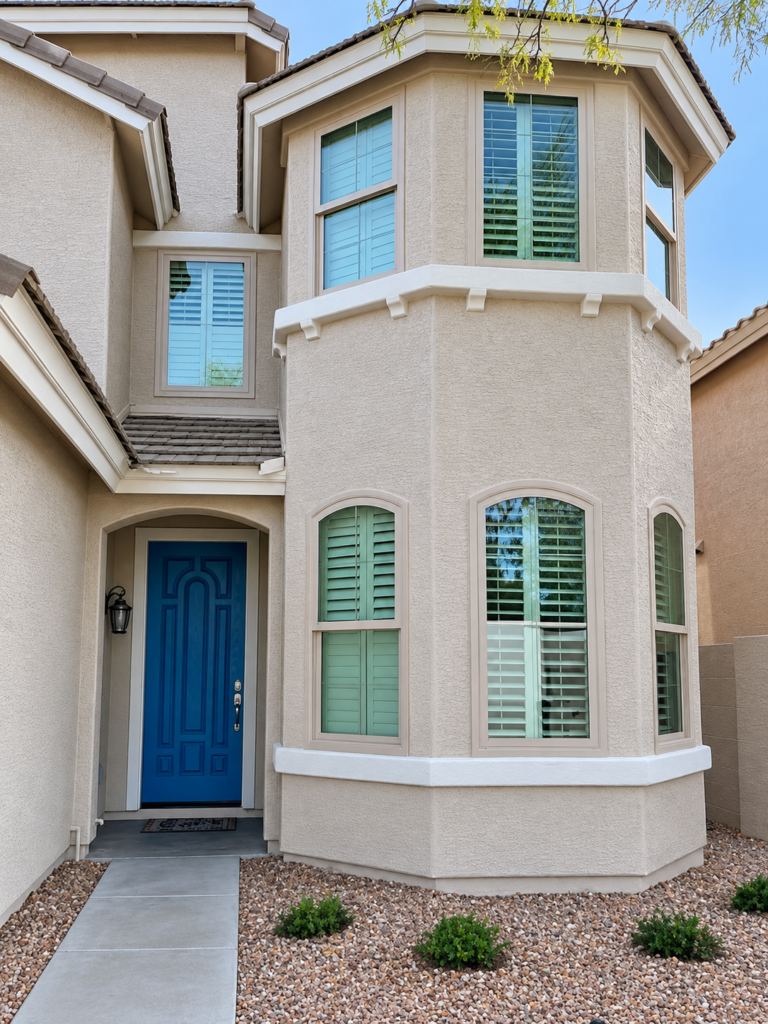
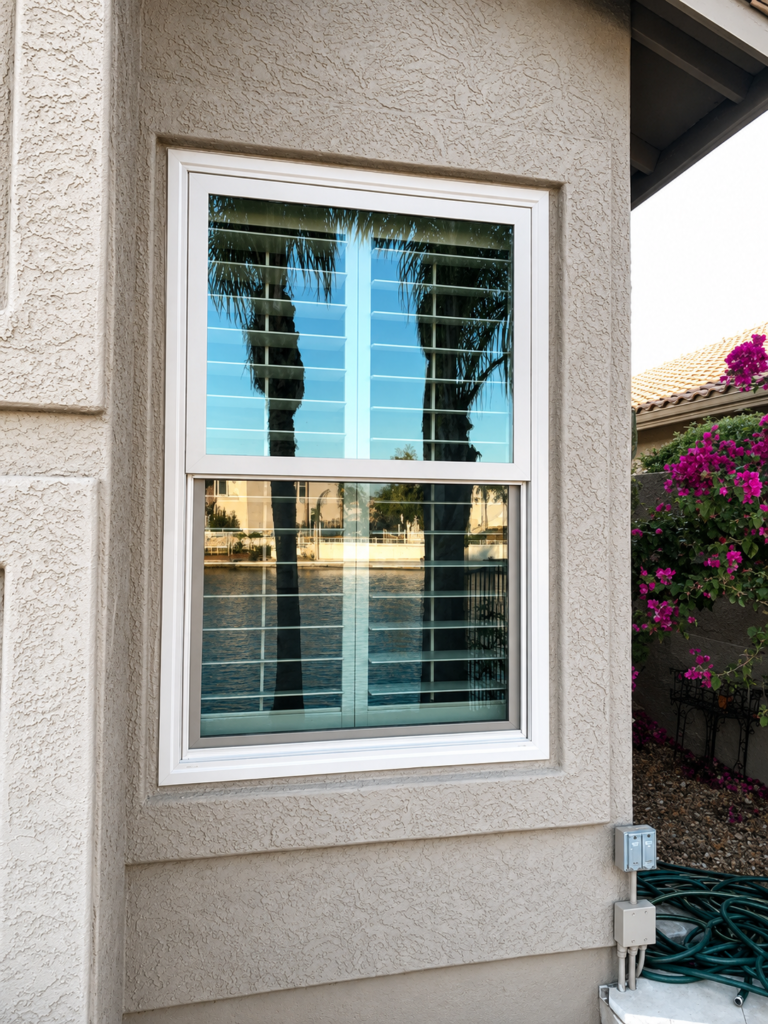
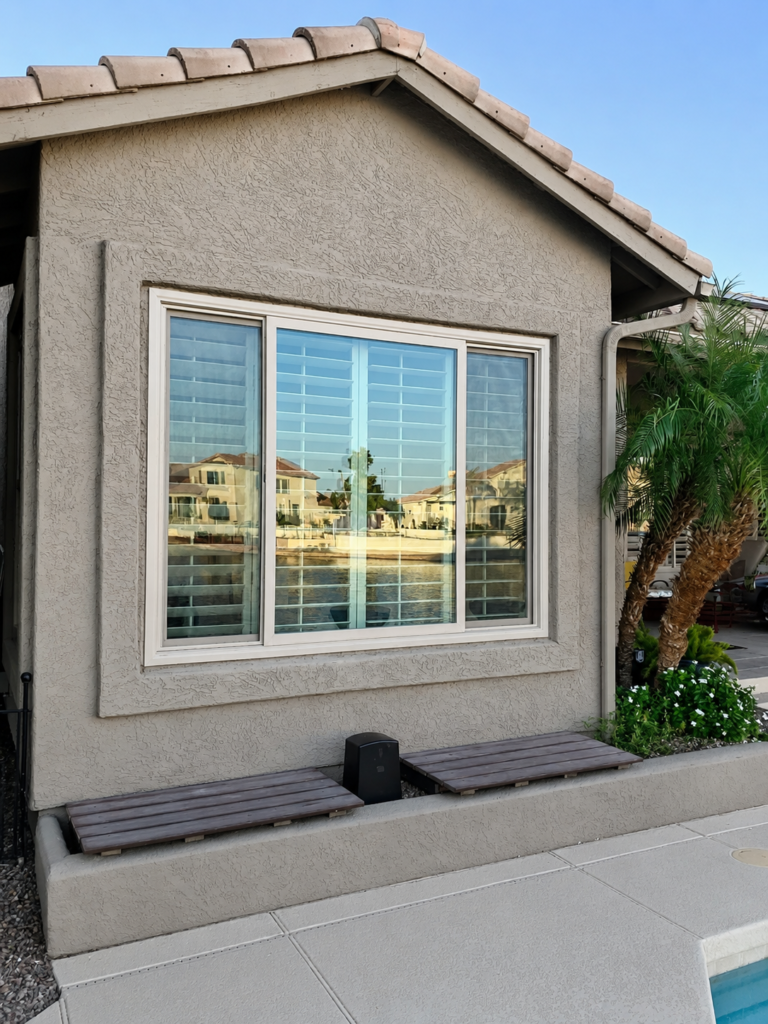
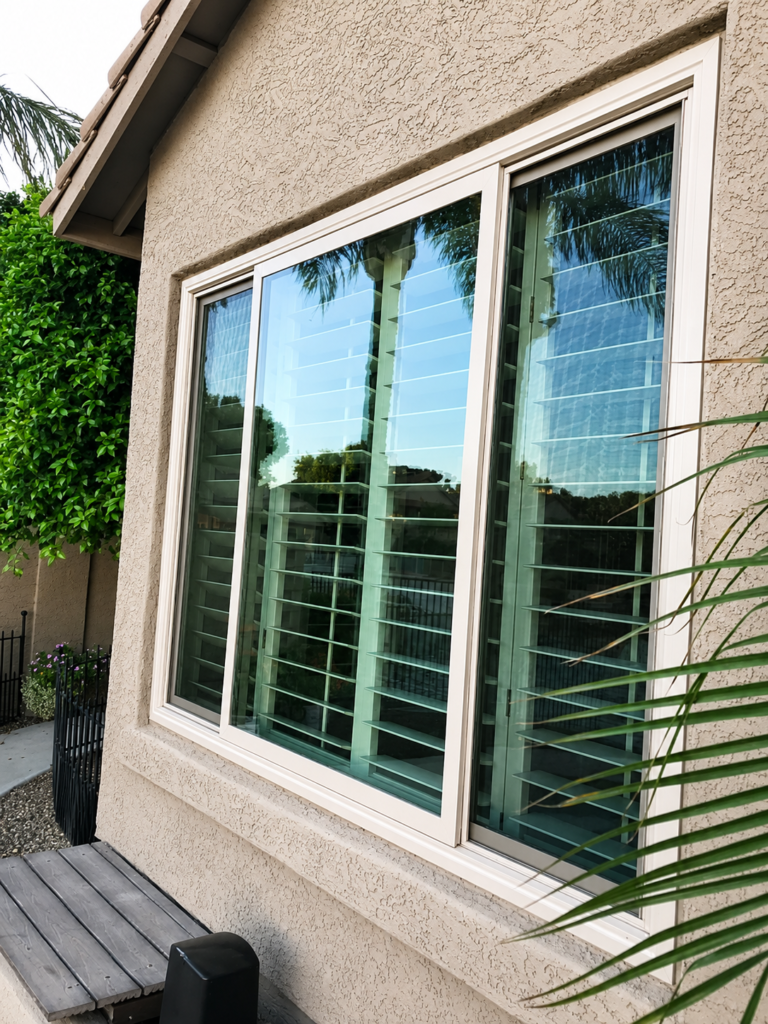
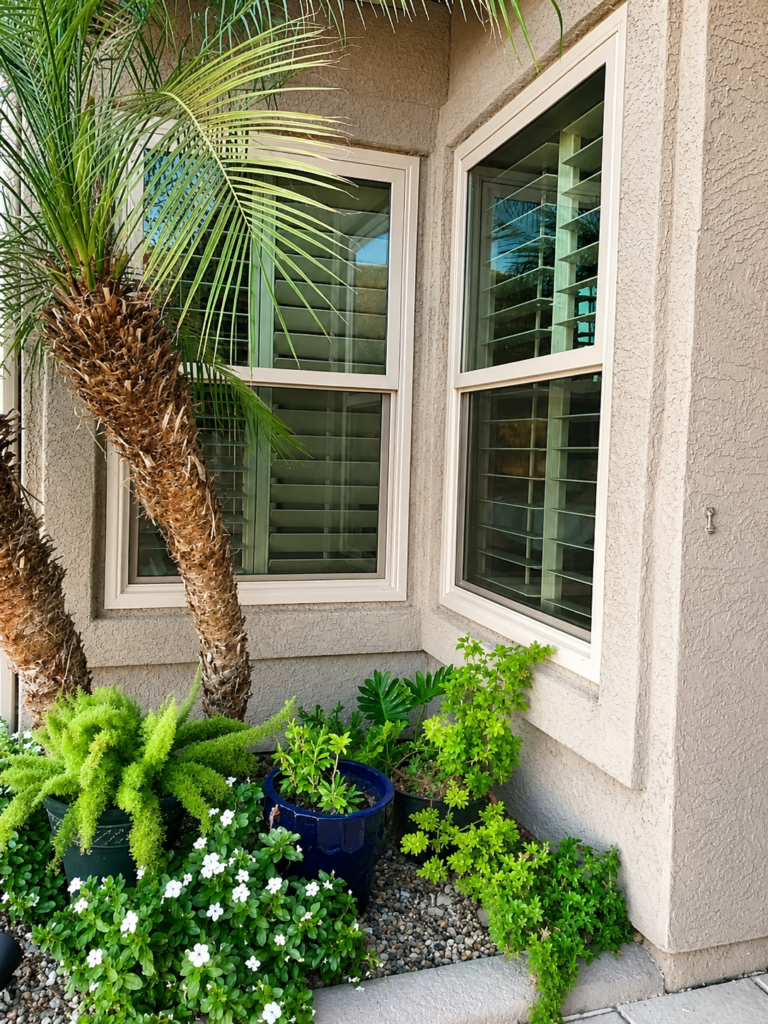
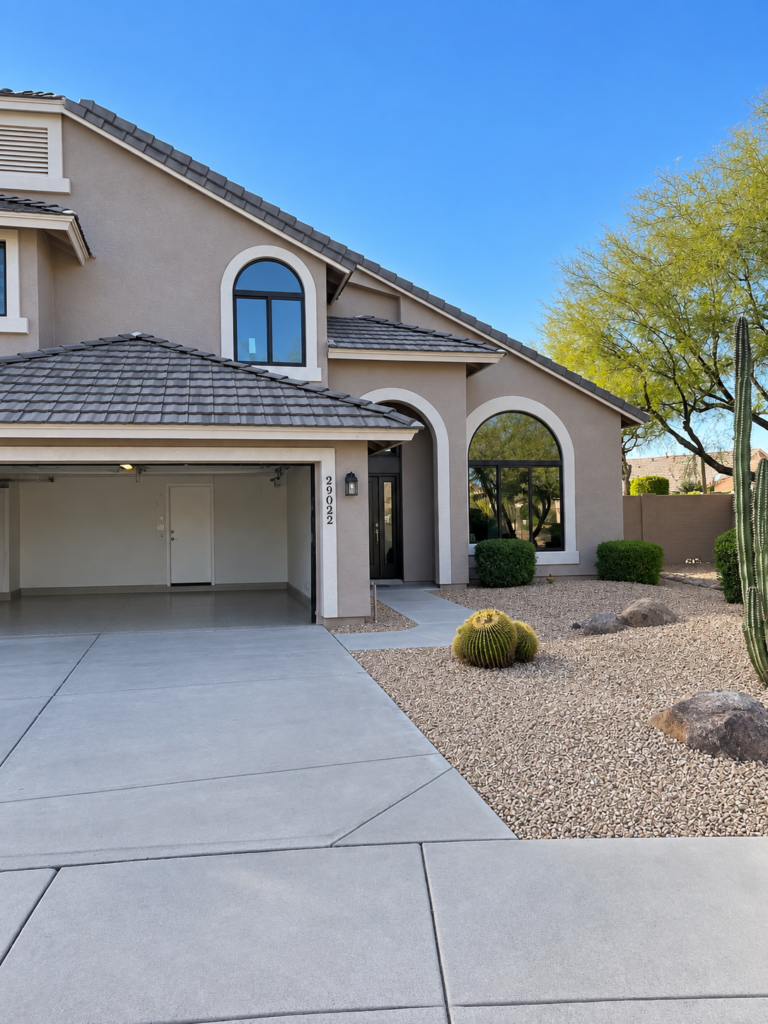
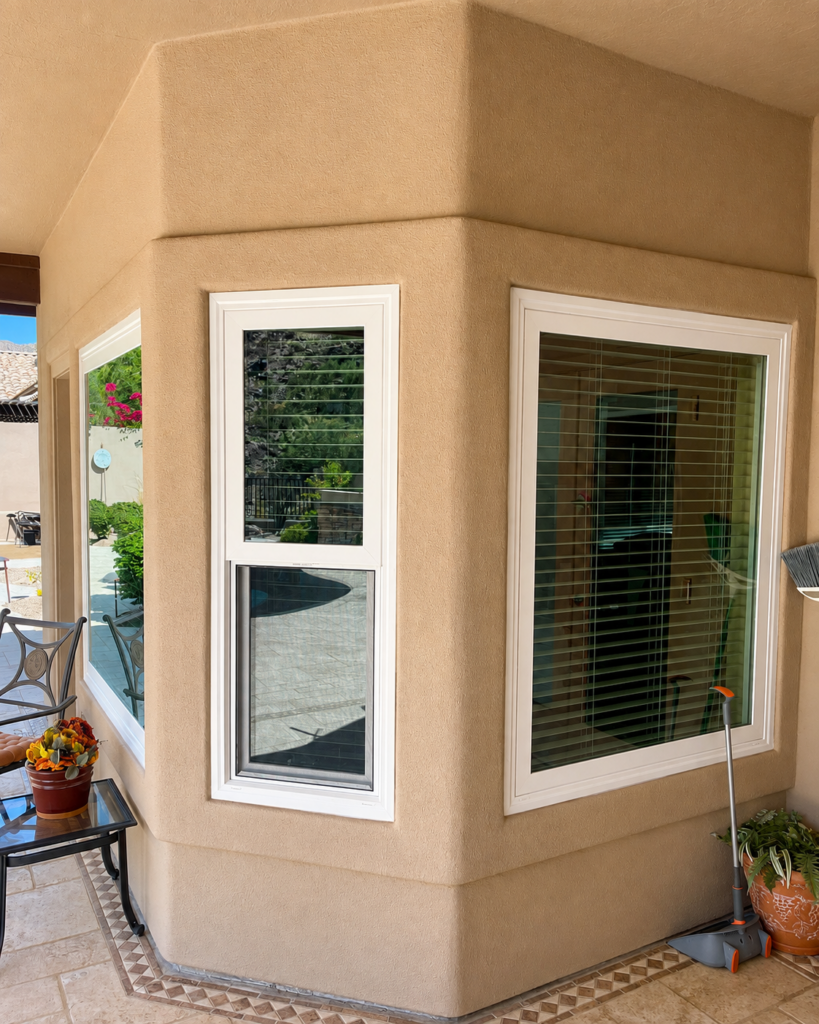
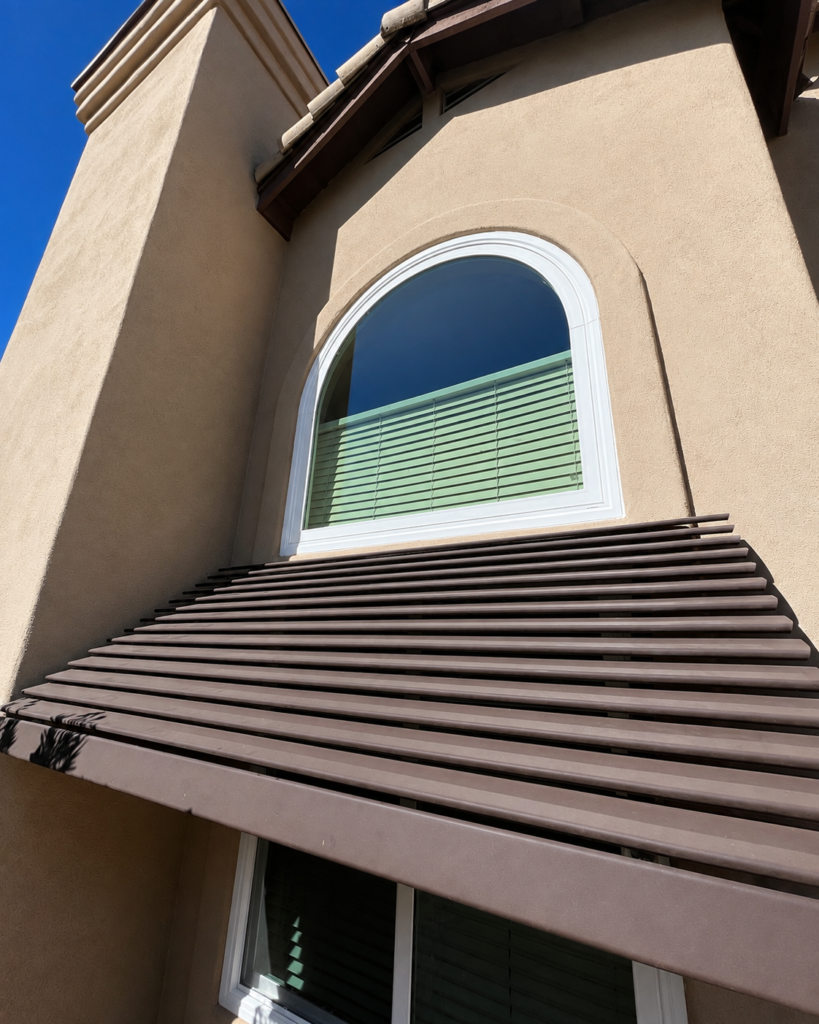
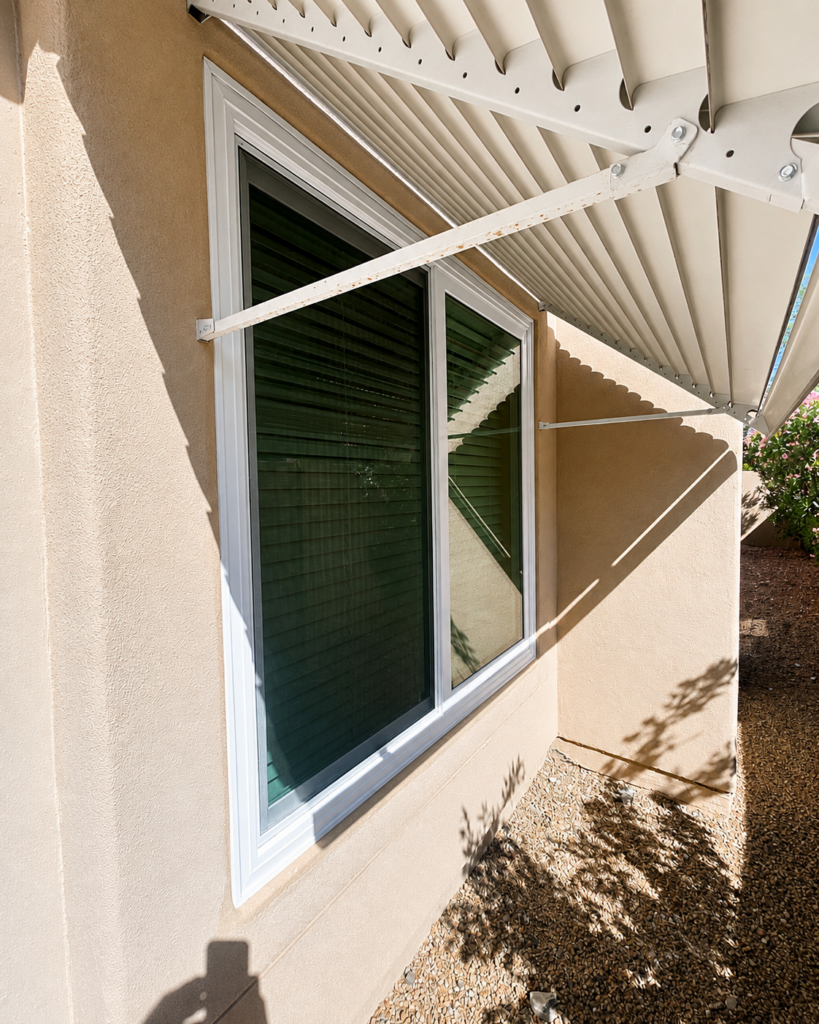
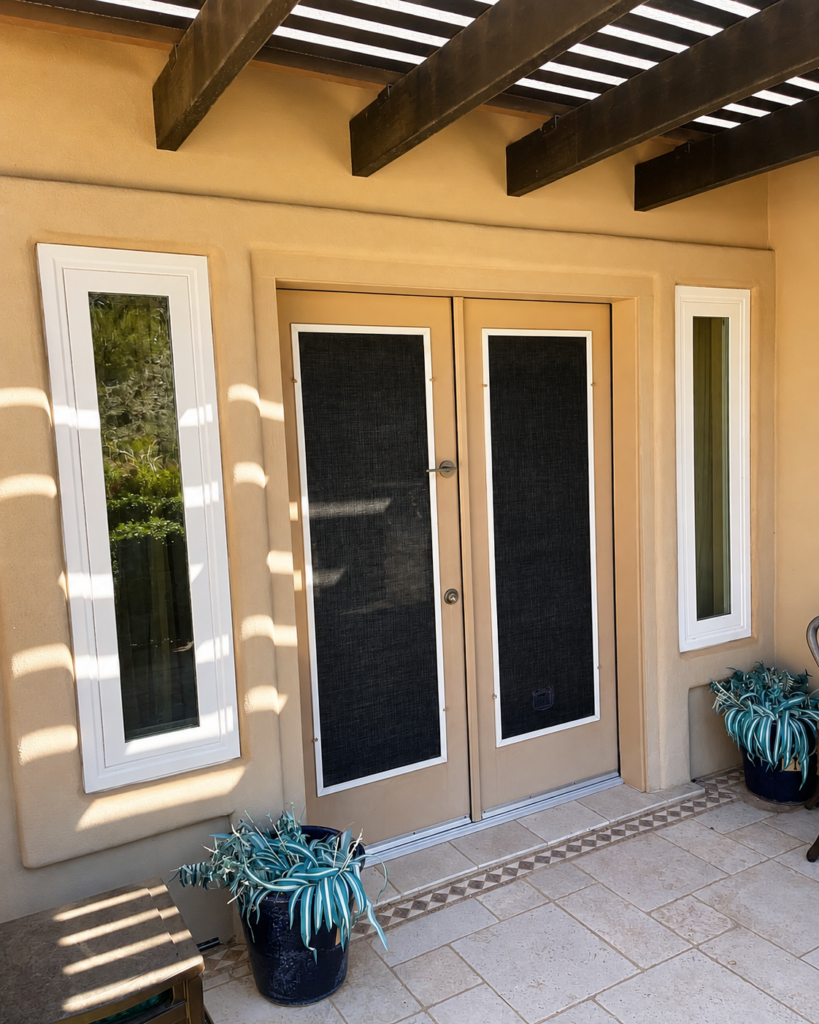
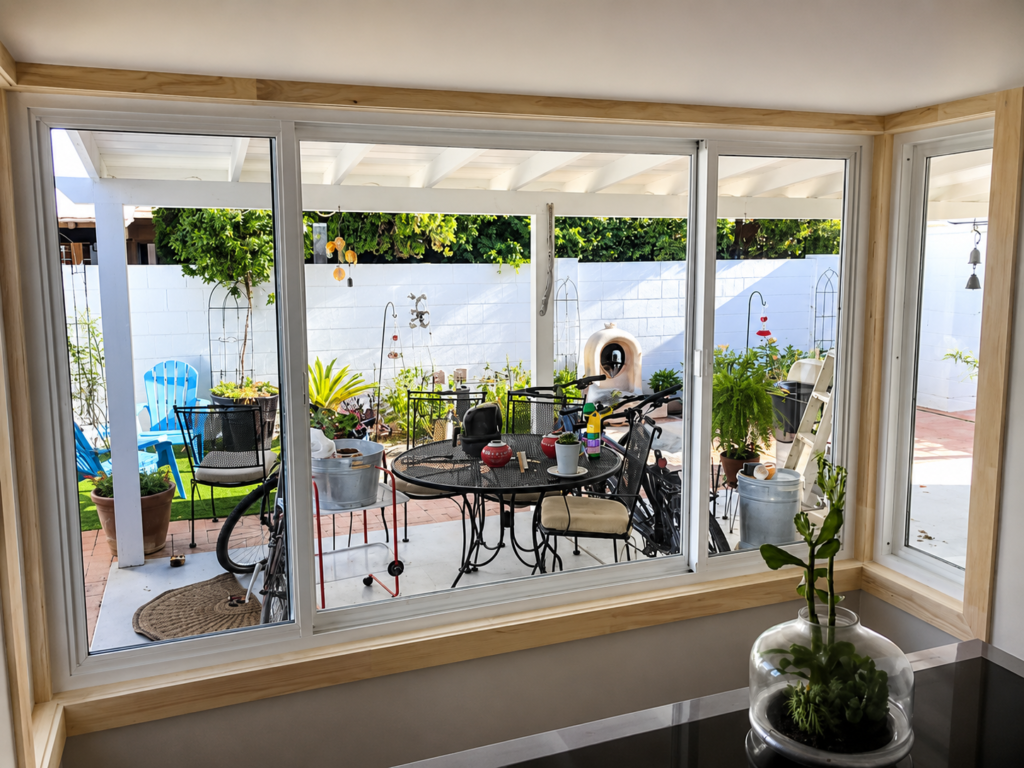
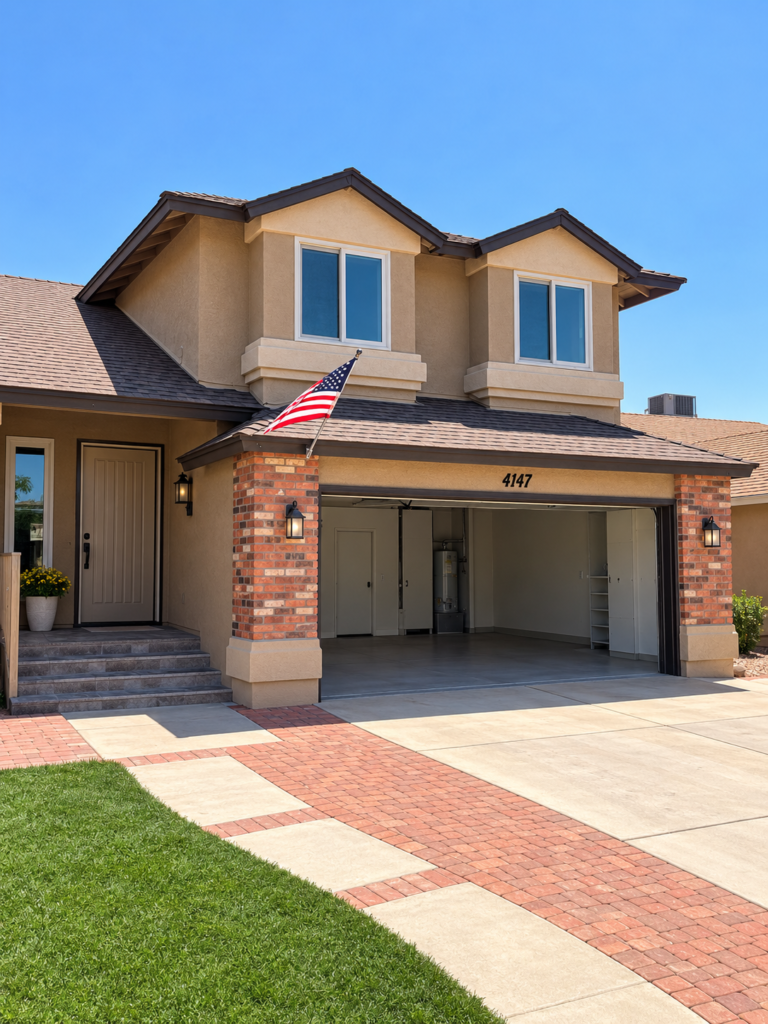
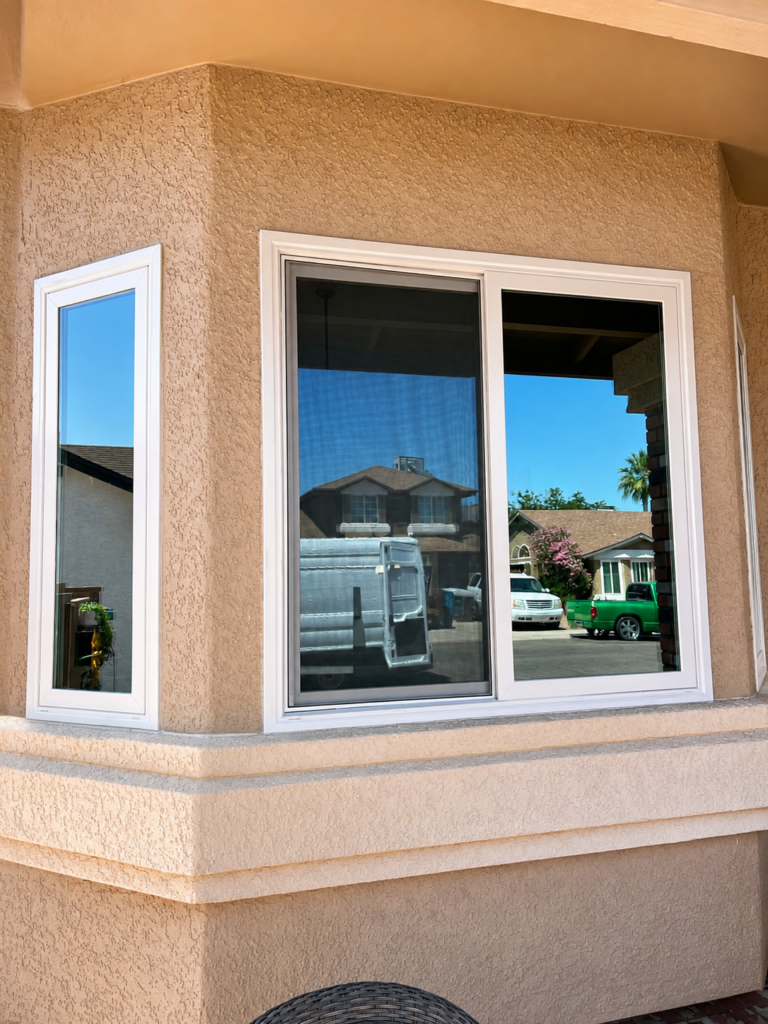
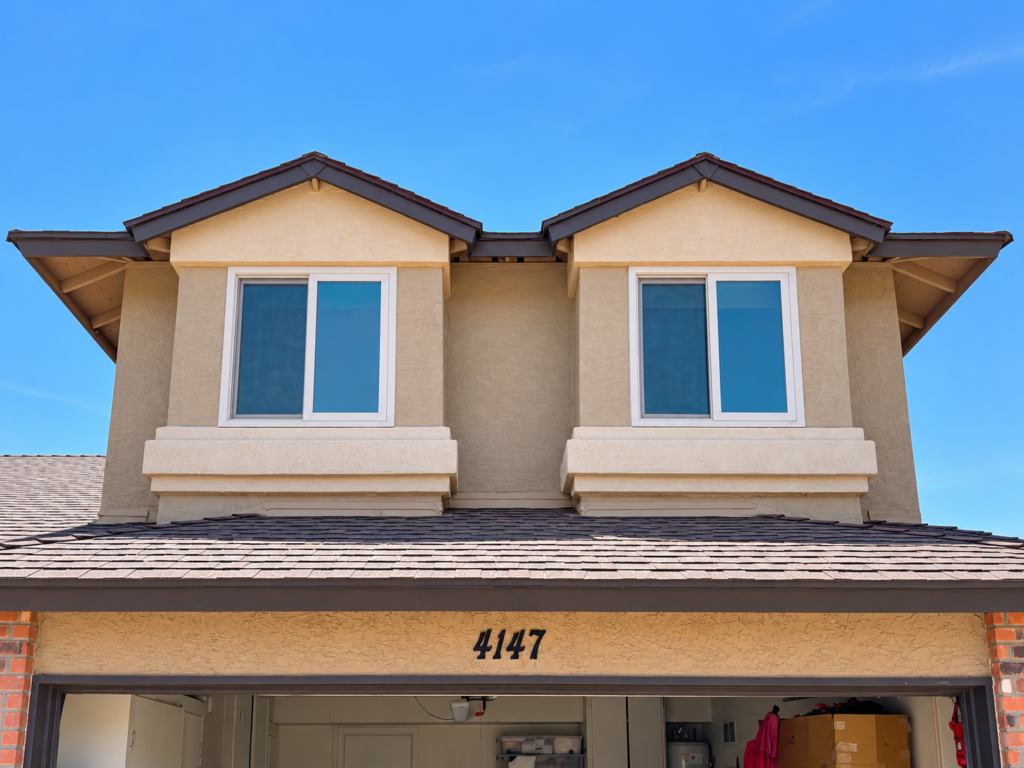
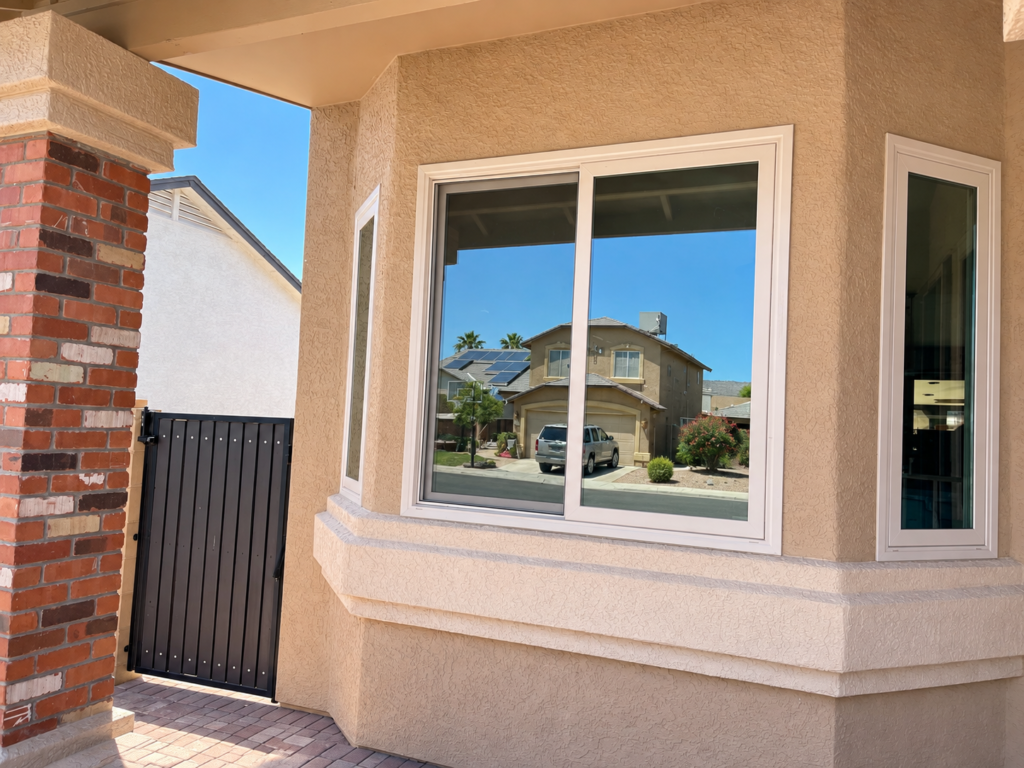
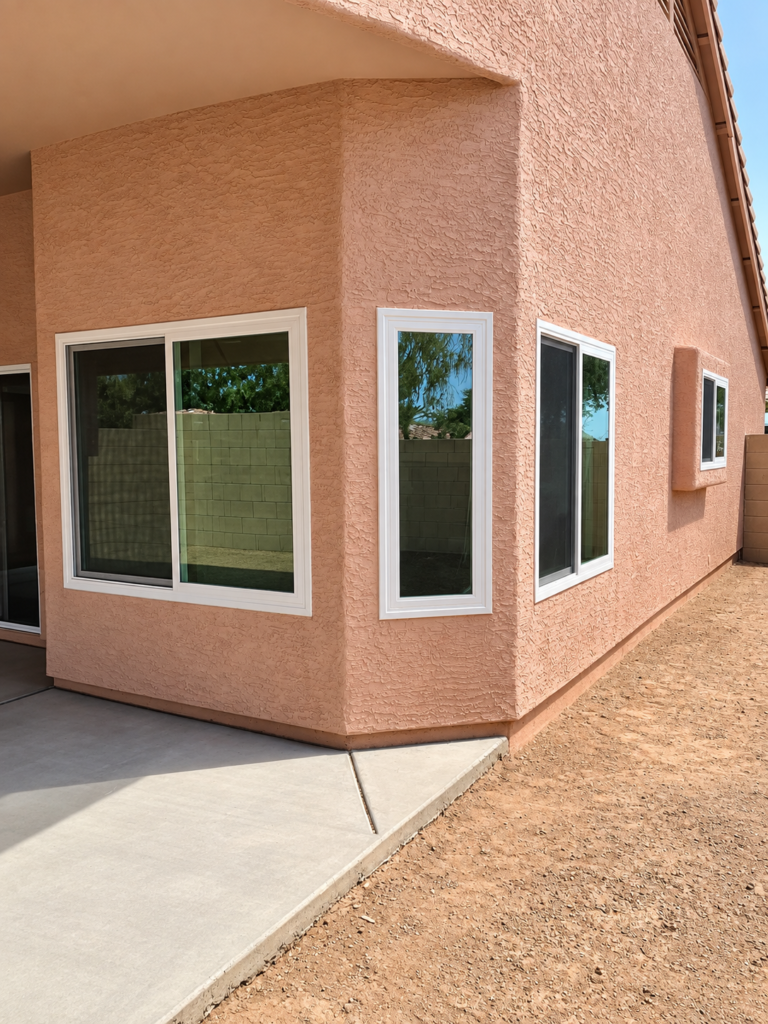
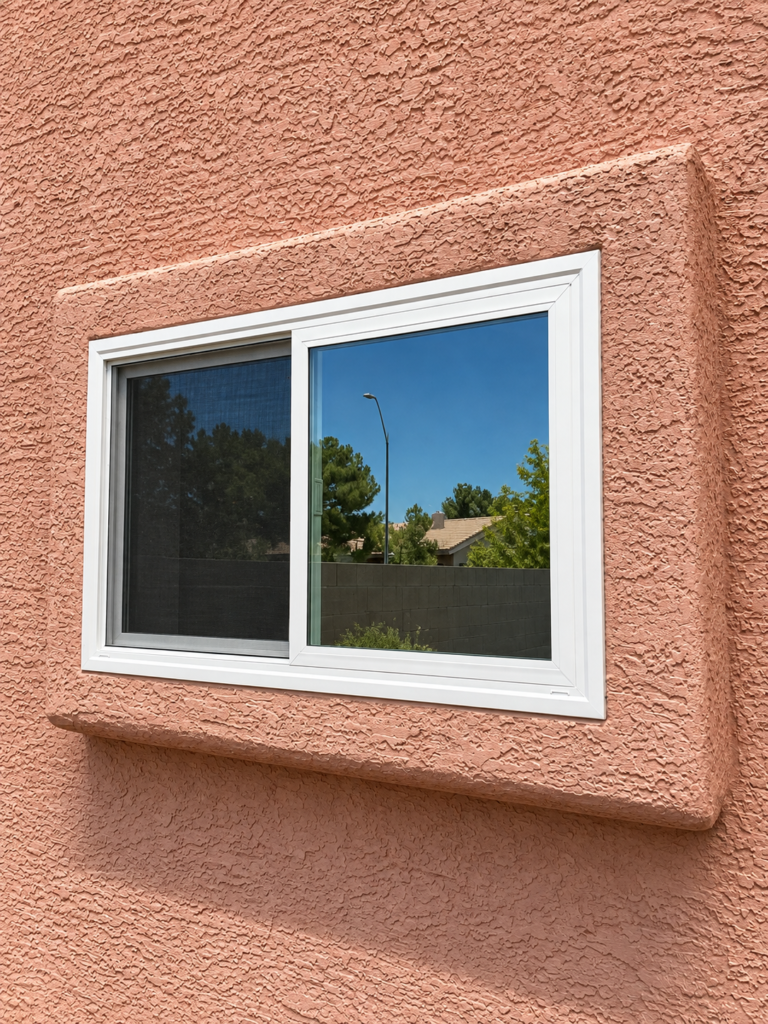
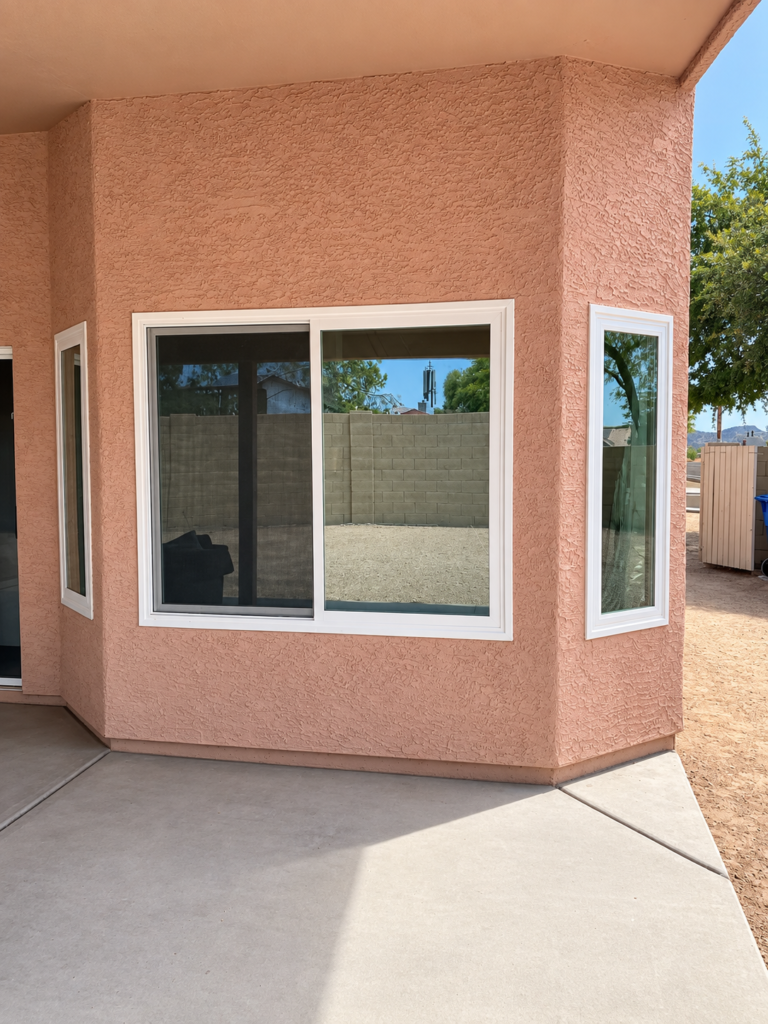
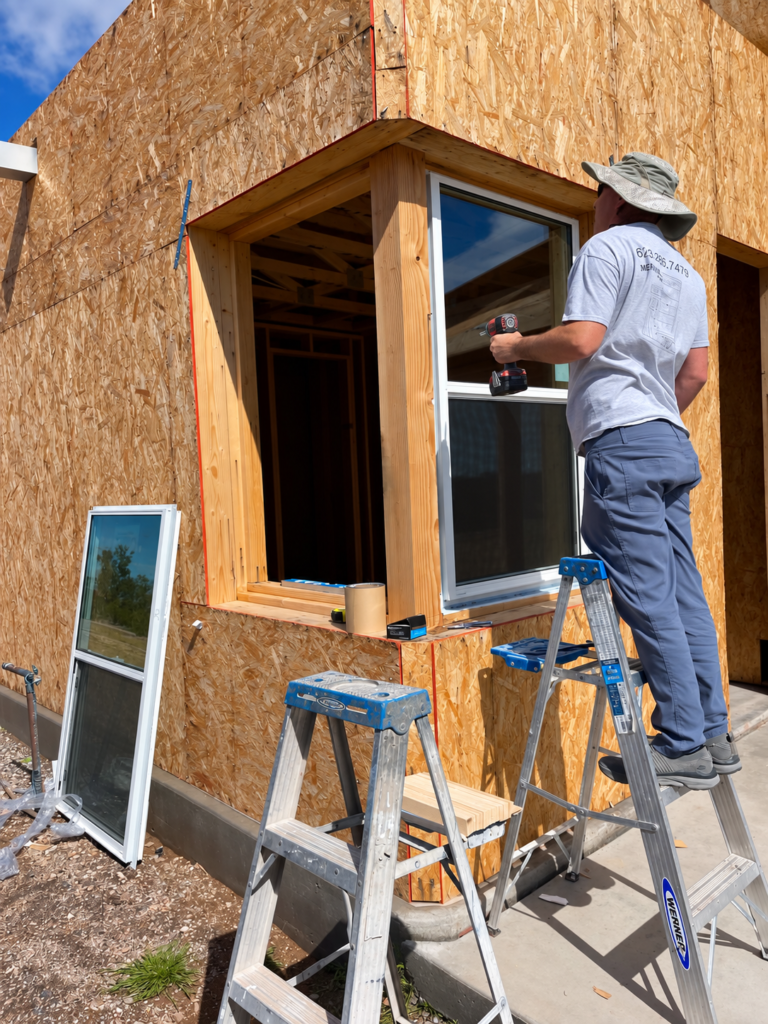
Precision Fit Doors and Windows Inc. can help Arizona homeowners compare aluminum, vinyl, wood, and fiberglass window options based on their home’s architecture, budget, energy-efficiency goals, and exposure to the Arizona climate.